
On-site and temporary concrete production
About this solution
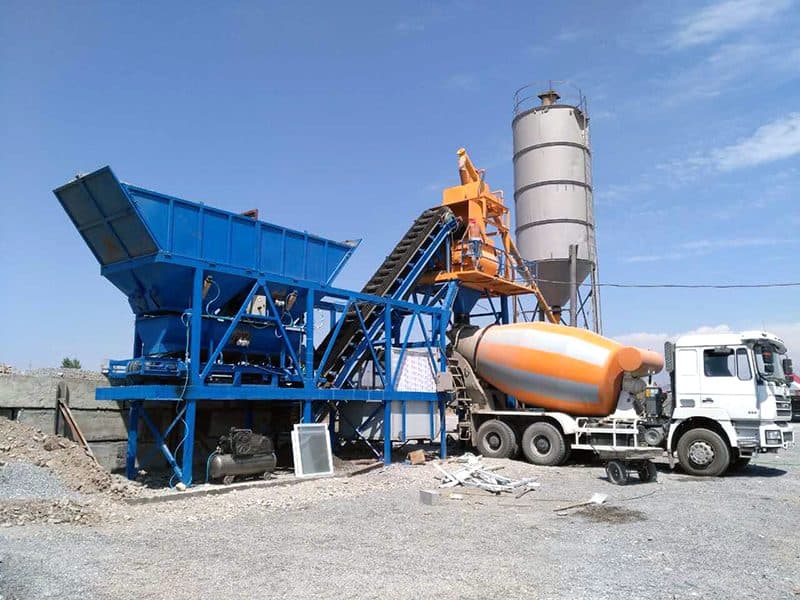
On-site concrete production is used when transport distance, access restrictions, moving work fronts or a limited project duration make supply from a permanent ready-mix plant inefficient. The plant must be selected together with its transport modules, installation method, material storage and relocation plan.
Project situation and objective
This solution is intended for remote construction sites, temporary production bases, phased developments and projects where concrete demand moves between work fronts. The goal is to establish reliable production quickly, reduce concrete travel time and retain the ability to dismantle or relocate the equipment after the work is completed.
Information required for selection
Required average and peak output, daily volume and project duration.
Concrete grades, aggregate fractions, maximum size and material moisture.
Number and distance of work fronts, road conditions and truck-mixer availability.
Planned number of relocations and the time allowed for dismantling and reassembly.
Available site area, ground bearing capacity, voltage, water and compressed air.
Climate, dust, noise, drainage and local permitting requirements.
Plant type and capacity logic
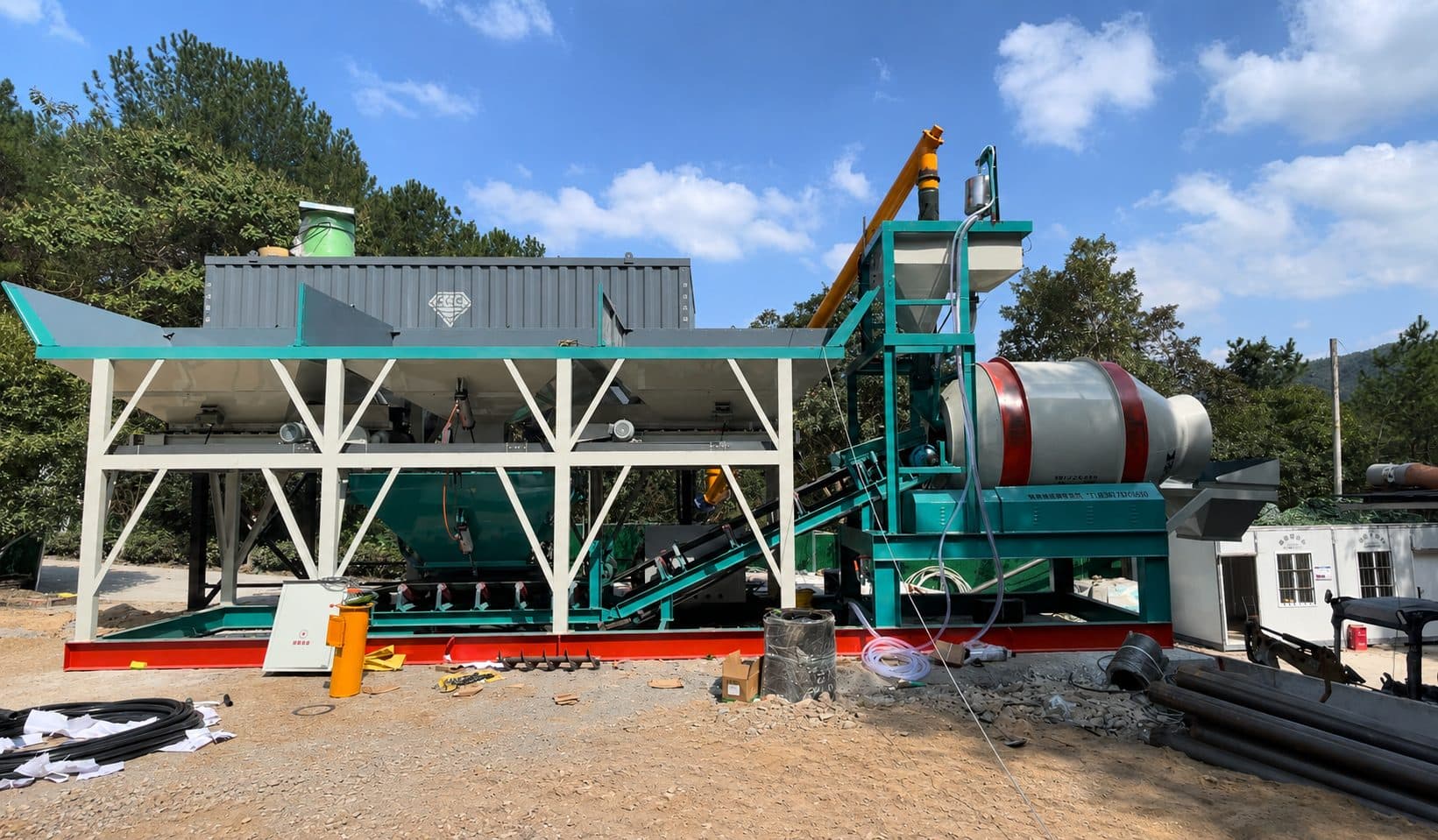
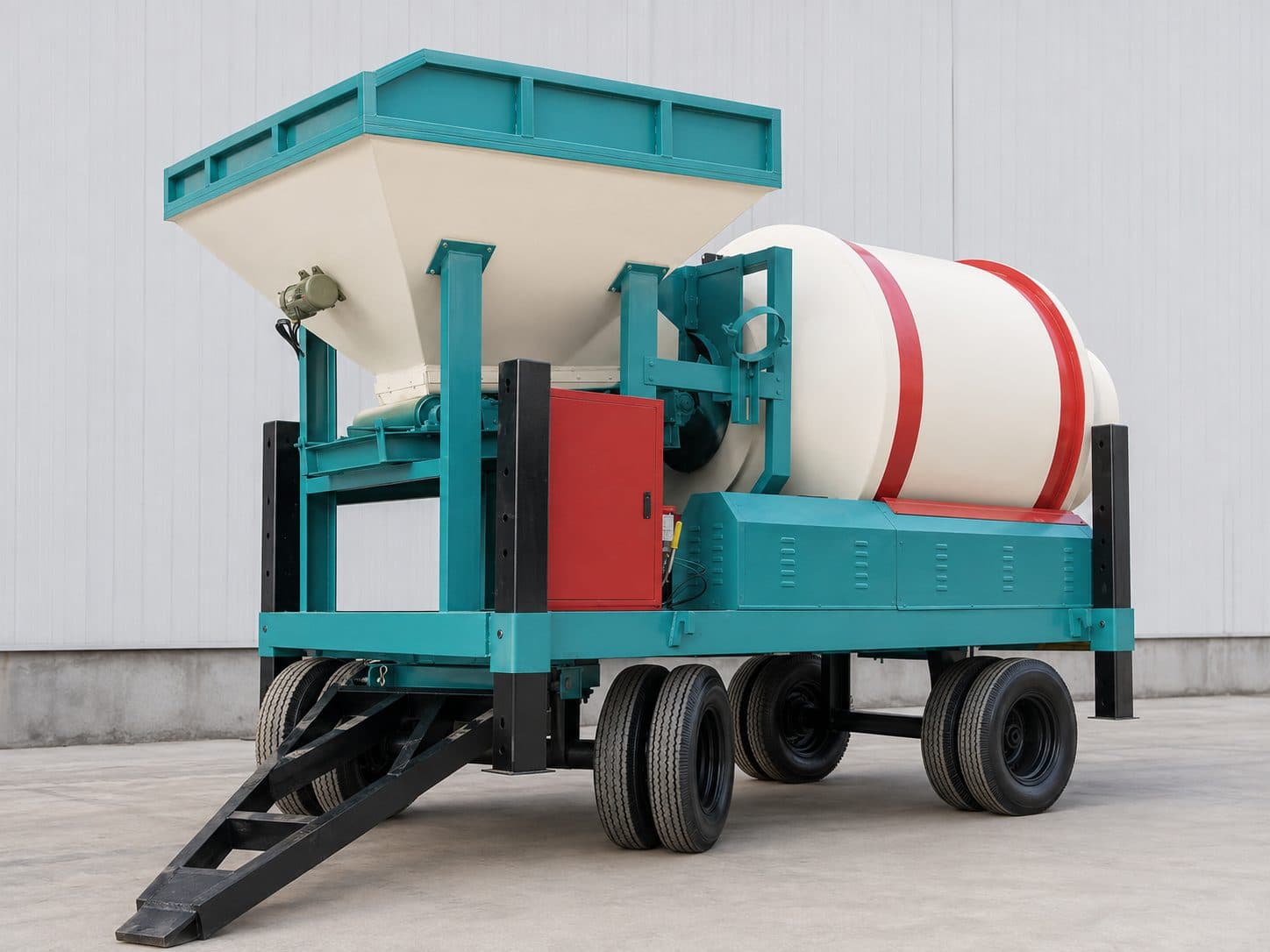
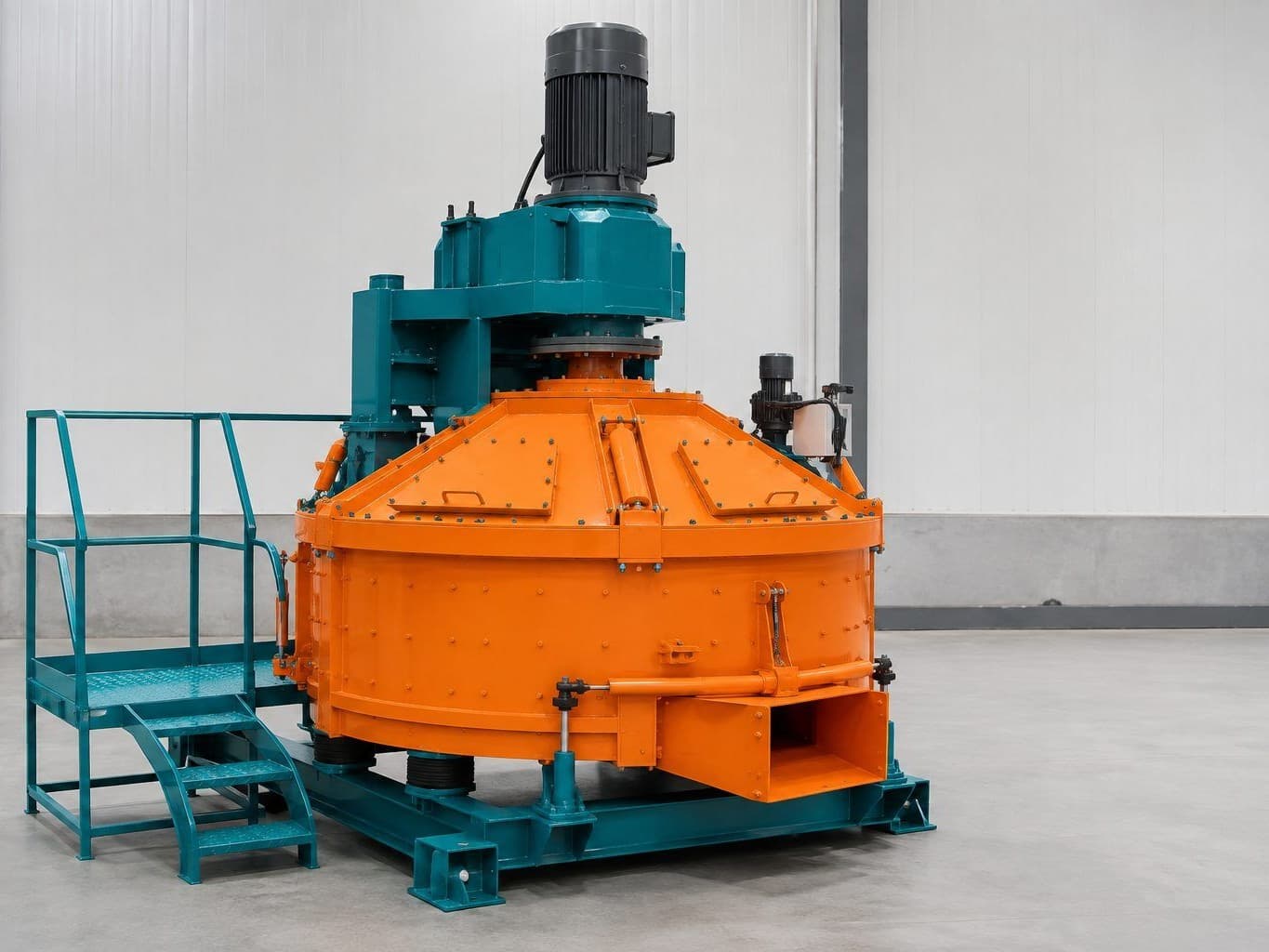
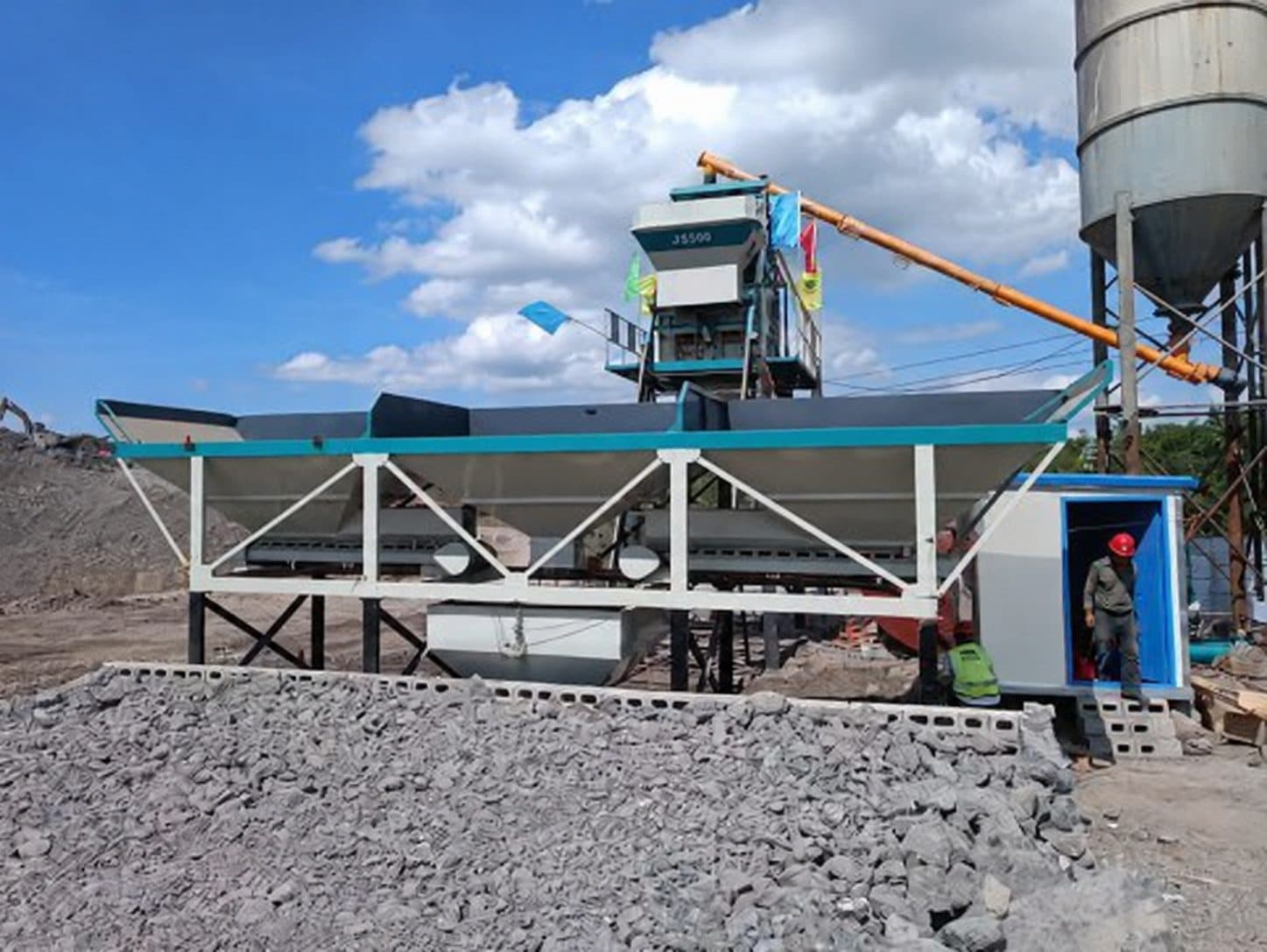
A mobile wet-mix plant is normally evaluated when frequent relocation is expected. A compact or foundation-reduced plant may be more suitable for a temporary but comparatively stable base. A drum-mixer mobile plant can serve simpler mix requirements, while a twin-shaft forced-action mixer is preferred when a wider recipe range and tighter mixing control are required. Capacity is calculated from peak placement and the complete loading, mixing, discharge and transport cycle.
Typical operating process
The temporary base is prepared with level bearing areas, access routes and utilities.
Plant modules, bins, silos and conveyors are positioned and connected.
Scales, safety interlocks and recipes are commissioned before production.
Aggregates, powders, water and admixtures are dosed and mixed in controlled batches.
Concrete is dispatched to the active work front.
At the end of the phase, the plant is cleaned, disconnected and transported according to the relocation plan.
Recommended configuration
System | Selection consideration | Possible arrangement |
|---|---|---|
Plant structure | Relocation frequency and installation time | Mobile, compact or foundation-reduced |
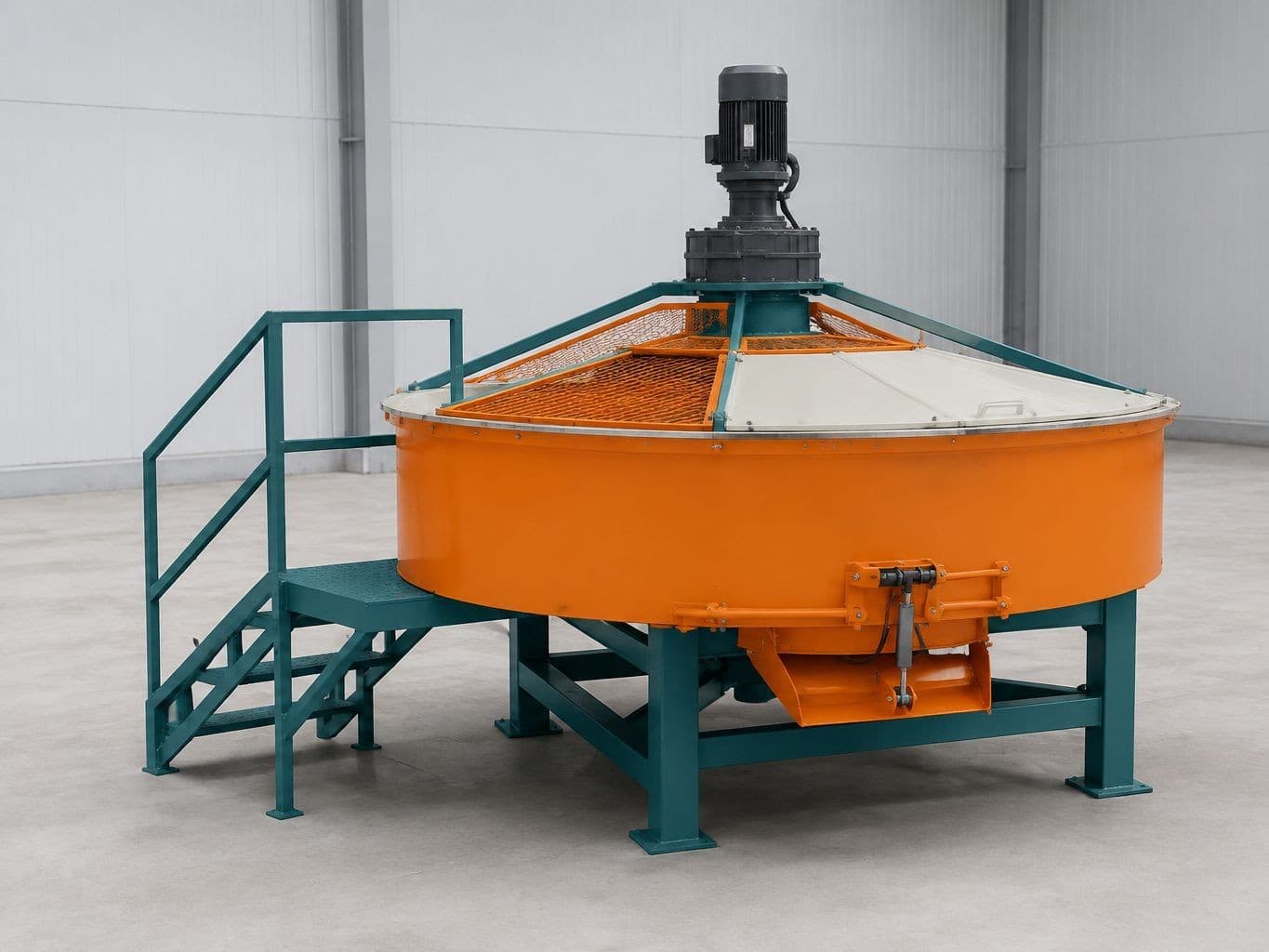
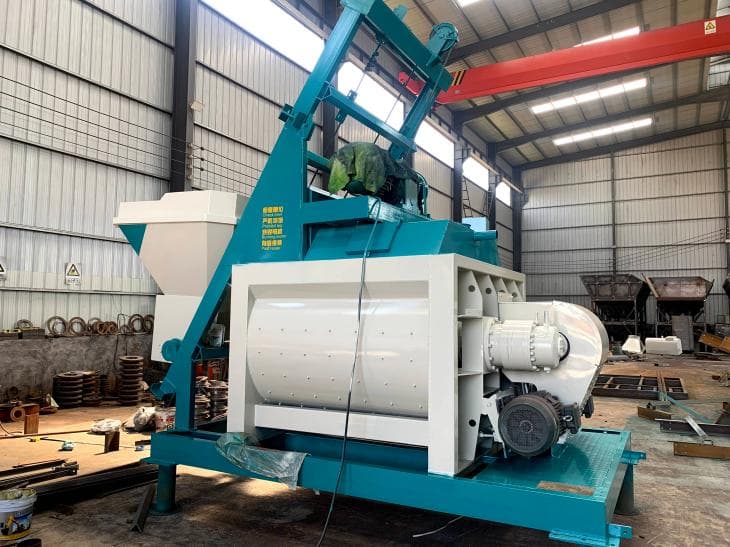
Mixer | Recipe complexity and concrete quality requirement | Twin-shaft forced-action or drum mixer |
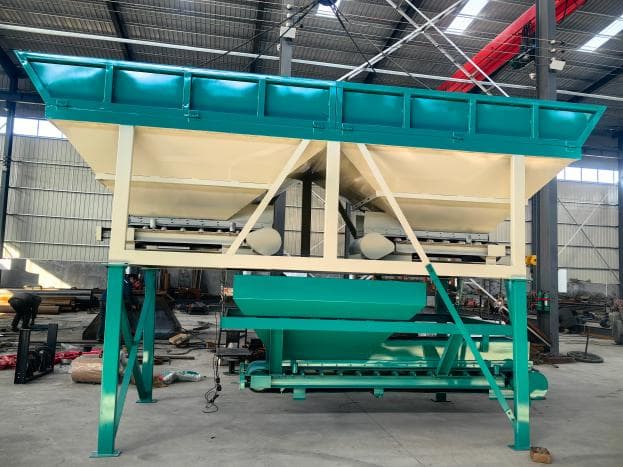
Aggregate bins | Fractions, loader cycle and transport dimensions | Integrated or modular bin unit |
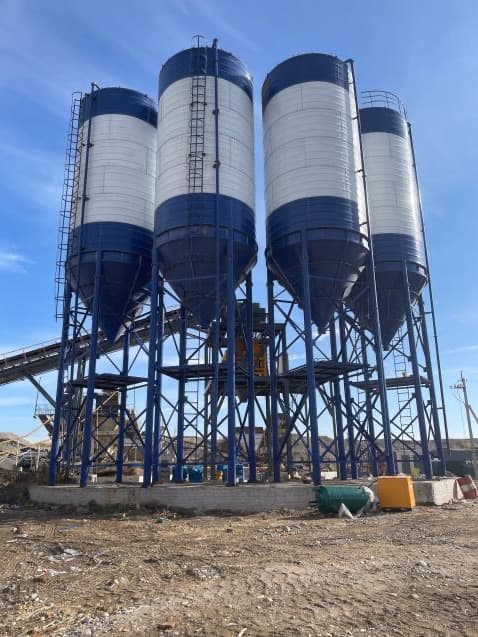
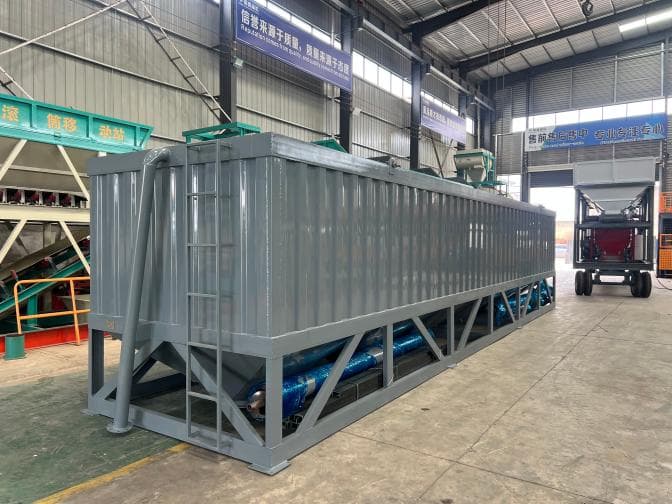
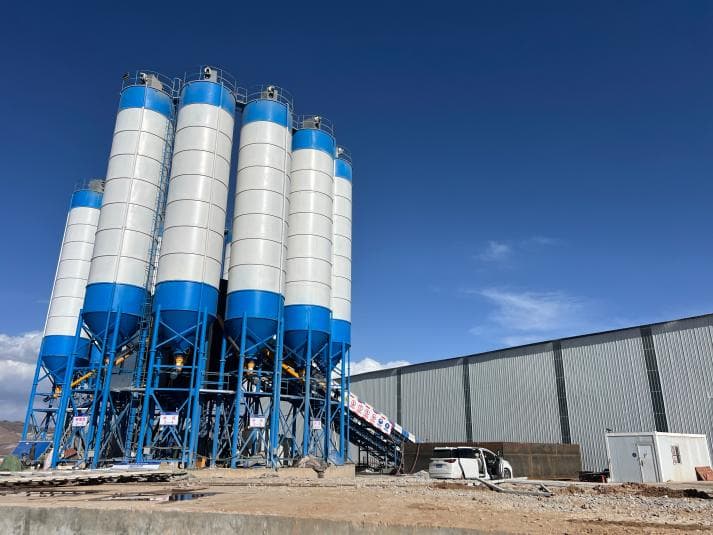
Powder storage | Consumption, delivery access and relocation | Bolted or horizontal silo options |
Control room | Fast commissioning and environmental protection | Integrated automatic control cabin |
Utilities | Remote-site reliability | Project-specific power, water and air systems |
Why this configuration works
Modular construction reduces dismantling and reassembly work.
Production near the placement area shortens concrete transport time.
Project-specific storage prevents unnecessary transport weight while maintaining operating reserve.
Integrated wiring and control interfaces support repeat commissioning.
Site preparation and installation
Reduced-foundation or mobile equipment does not mean that ground engineering can be omitted. The site still requires verified bearing capacity, level support points, drainage, safe access and anchoring where specified. Silo foundations and wind loads require particular attention. Utility connections, lightning protection and washout management must be ready before commissioning.
Transport and relocation planning
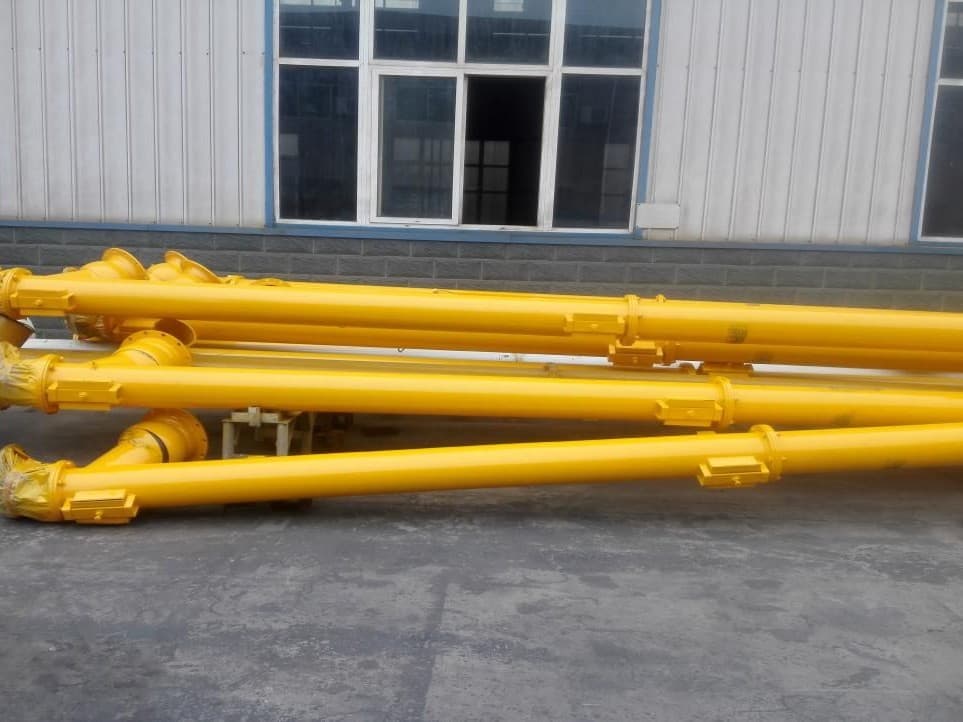
The equipment list should identify transport dimensions, module weights, crane requirements and the sequence for disconnection and loading. Cement silos, screw conveyors and external service equipment may require separate vehicles even when the main batching module is mobile.
Options and limitations
Winter insulation, heating, dust collection, moisture sensors, additional admixture dosing, remote diagnostics and generator interfaces can be added according to the project. Mobile plants still require planned maintenance access and are not automatically suitable for every high-output or special-concrete application.
Commissioning and spare parts
Each installation should include scale calibration, electrical and pneumatic checks, no-load testing and trial batches. A relocation kit and spare-parts package should cover connectors, sensors, solenoid valves, mixer wear parts and other items that may be damaged during transport or recommissioning.
Frequently asked questions
Does a mobile plant require foundations?
It normally requires fewer civil works than a stationary plant, but verified support points, level ground, silo foundations and anchoring may still be necessary.
How quickly can the plant be relocated?
The answer depends on the module configuration, silo system, crane and transport availability, utilities and the preparation level of the new site.
Can one plant serve several work fronts?
Yes, when capacity and truck logistics are calculated for the travel distance and placement schedule of each work front.
Request a configuration
Send the production target, project duration, relocation plan, mix requirements, site layout, ground conditions, utilities and transport restrictions.
- Configuration selected from relocation frequency and project duration
- Modular equipment for faster installation and recommissioning
- Shorter concrete transport distance to the work front
- Transport, utilities and temporary-site works planned together
Recommended products
Cannot find the product you need?
Leave your phone number and our specialist will call you back and recommend the right product.