How to choose a concrete batching plant: 8 key criteria
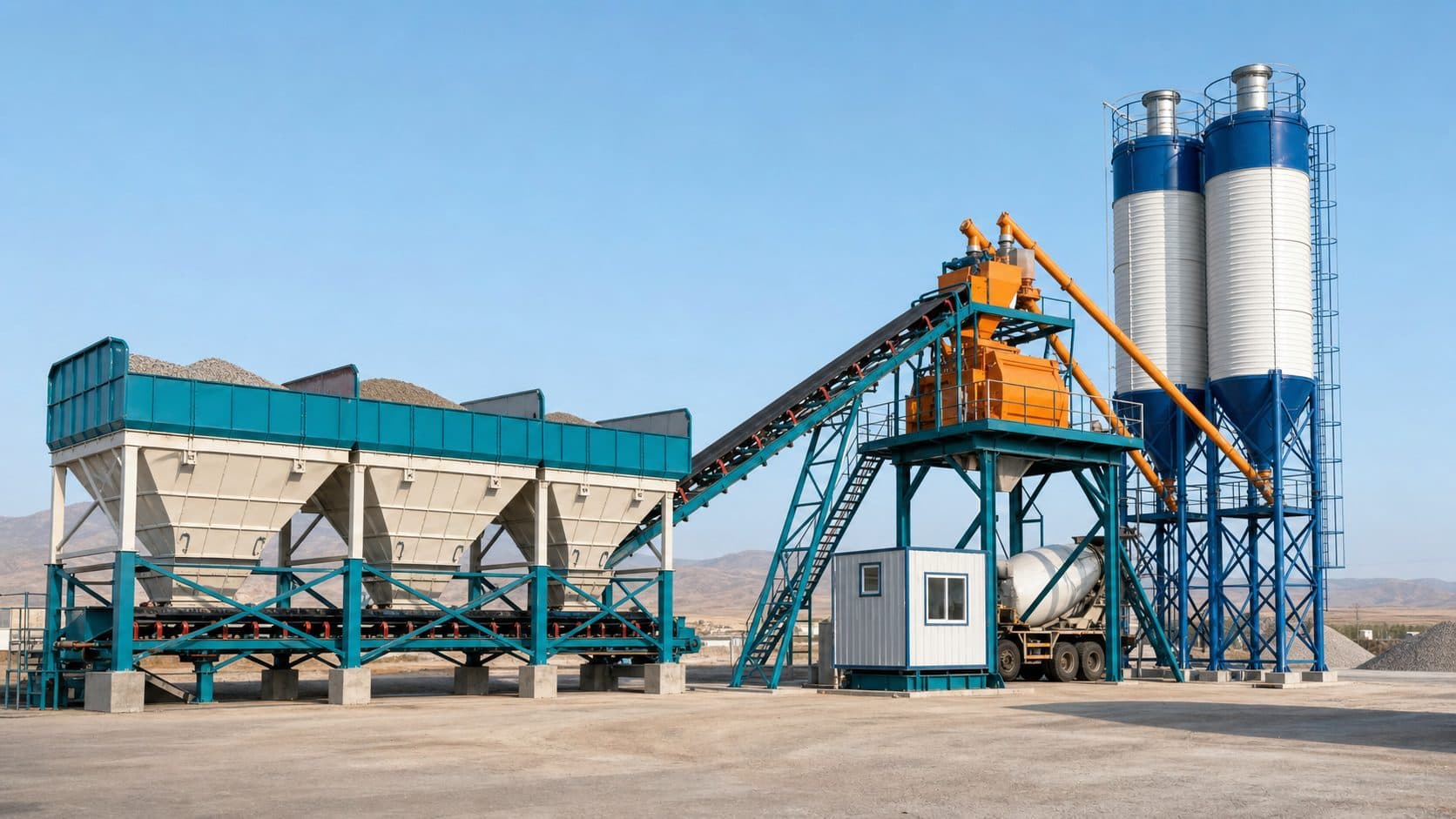
A concrete batching plant should be selected as a complete production system. Comparing only the model name or nominal cubic metres per hour can result in insufficient storage, slow dosing, unsuitable mixing, excessive civil works or truck congestion.
The correct configuration begins with concrete demand, recipes, material properties, site conditions and the intended operating life. The following eight criteria provide a practical structure for technical comparison.
1. Required real production capacity
Start with average hourly demand, peak-hour demand, daily volume, shift length and planned stoppages. Nominal capacity is calculated from reference batch volume and cycle time; actual output also includes aggregate feeding, powder and liquid dosing, mixer discharge, truck positioning, recipe changes and cleaning.
For example, a project that needs 600 m³ over a ten-hour shift does not automatically require only 60 m³/h nominal capacity. If half the concrete must be placed during a four-hour peak period, the production and truck system must be sized for that peak.
Define average, peak and daily demand separately.
Include maintenance and material-delivery interruptions.
Confirm whether the quoted capacity is theoretical or based on a stated test cycle.
Check that conveyors, screws, pumps and truck logistics support the mixer rating.
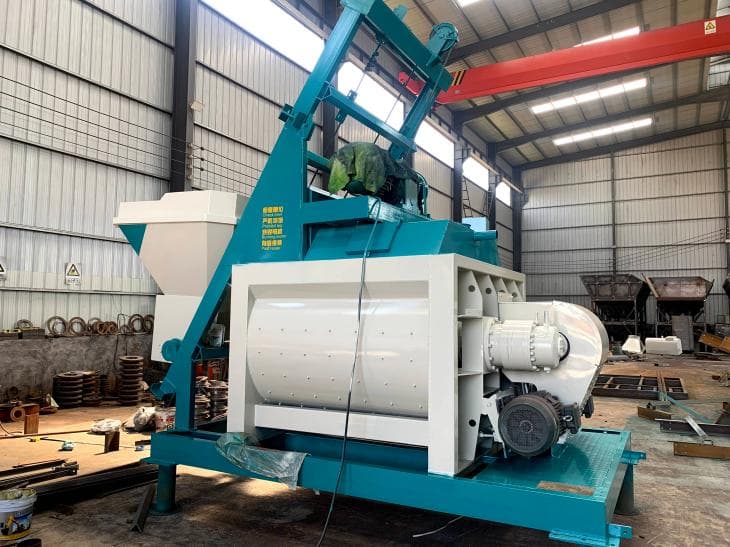
2. Concrete recipes and mixer selection
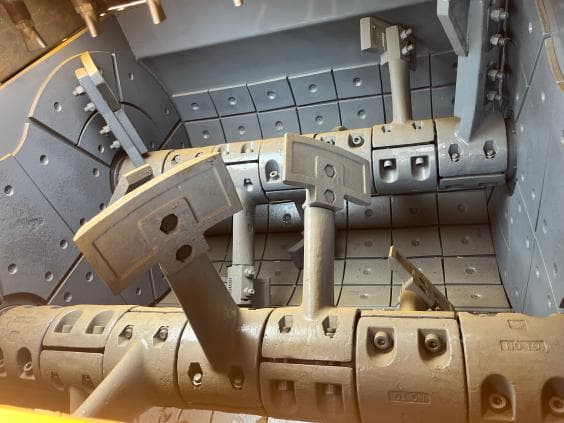
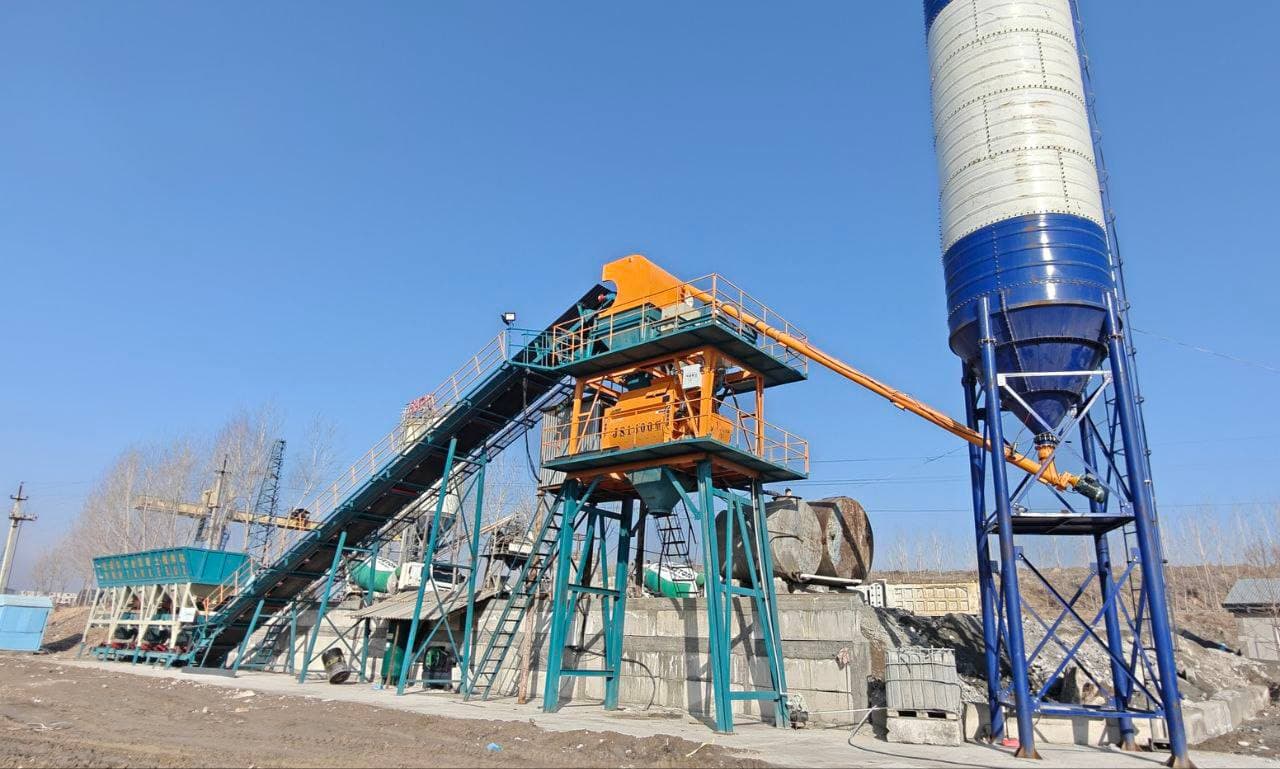
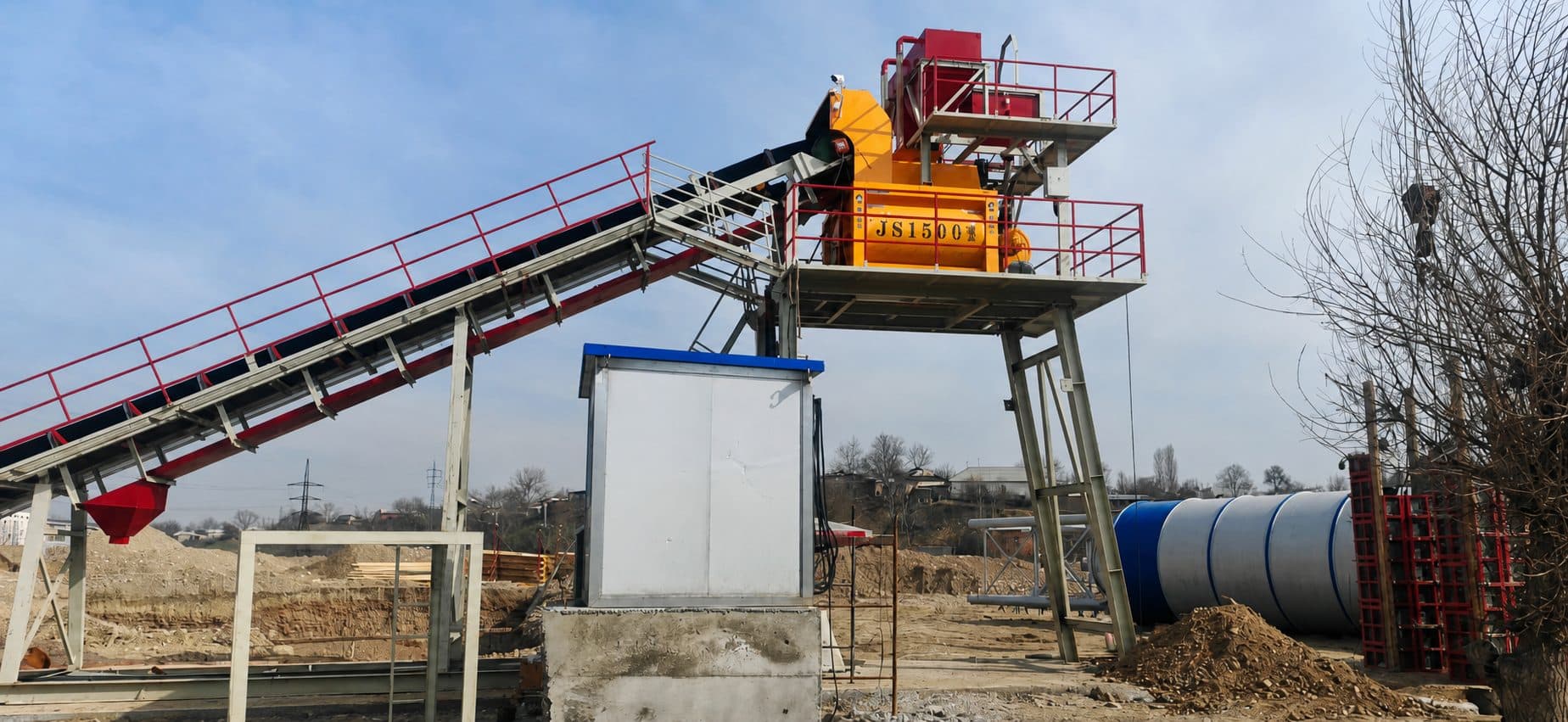
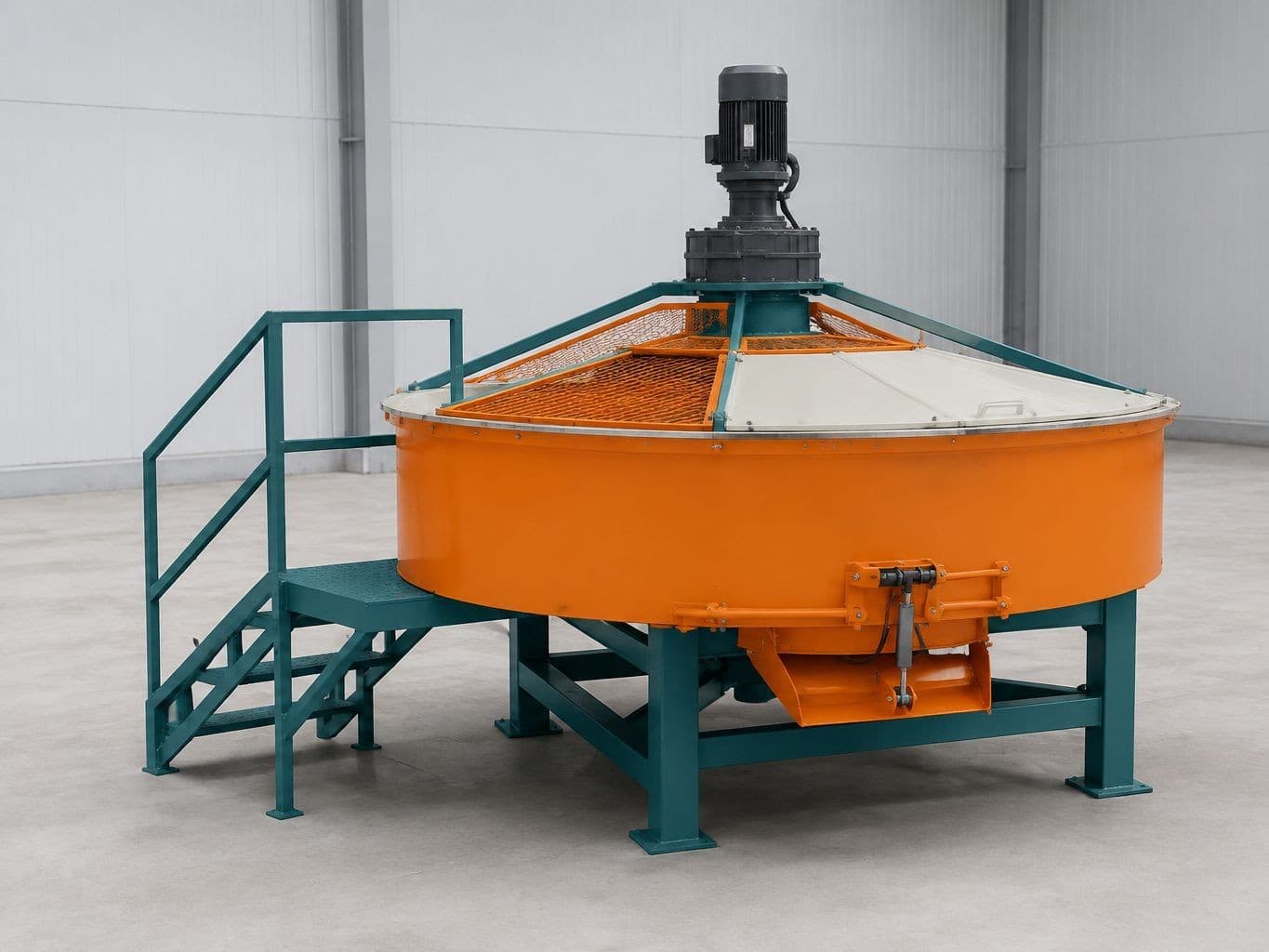
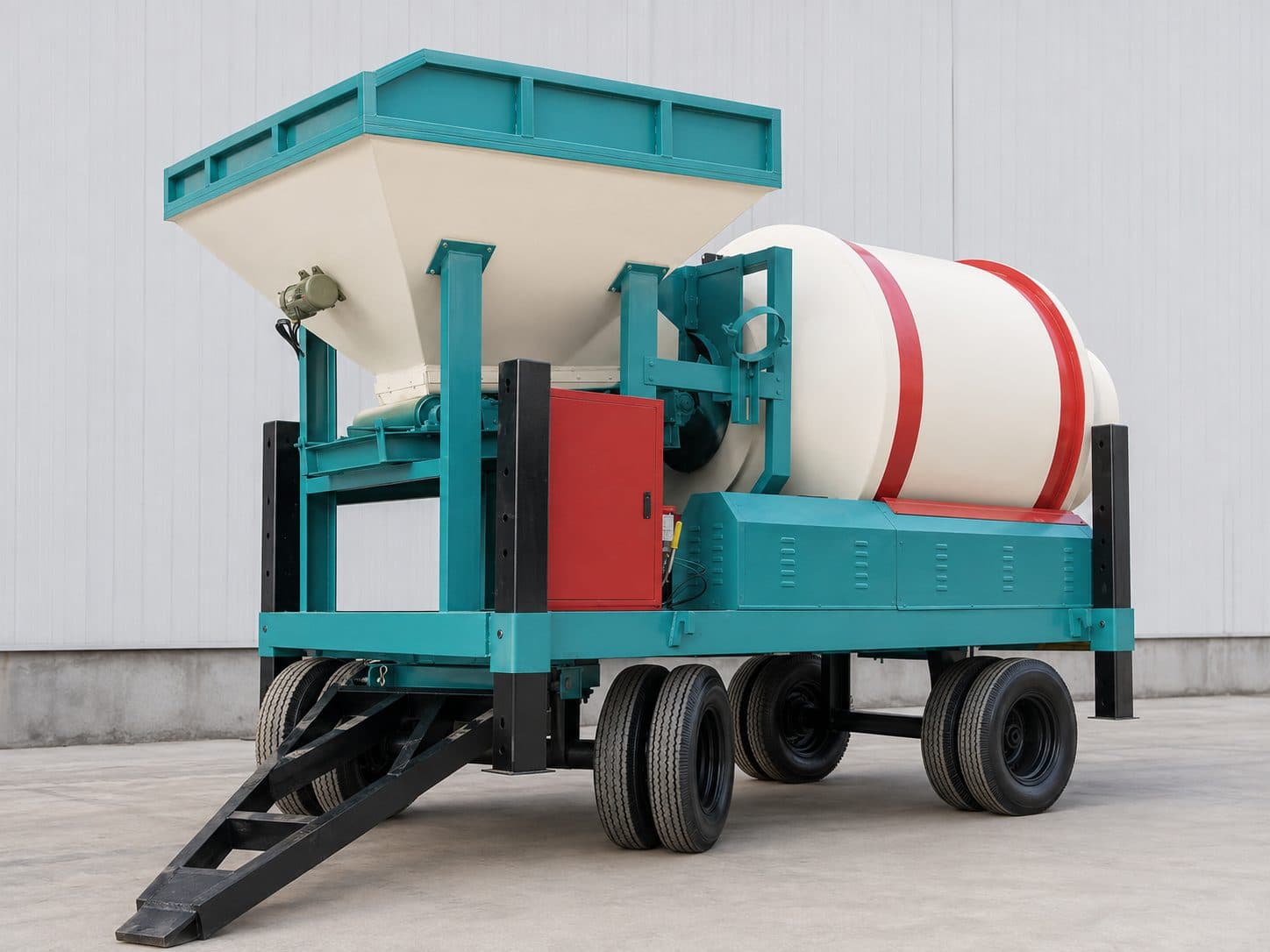
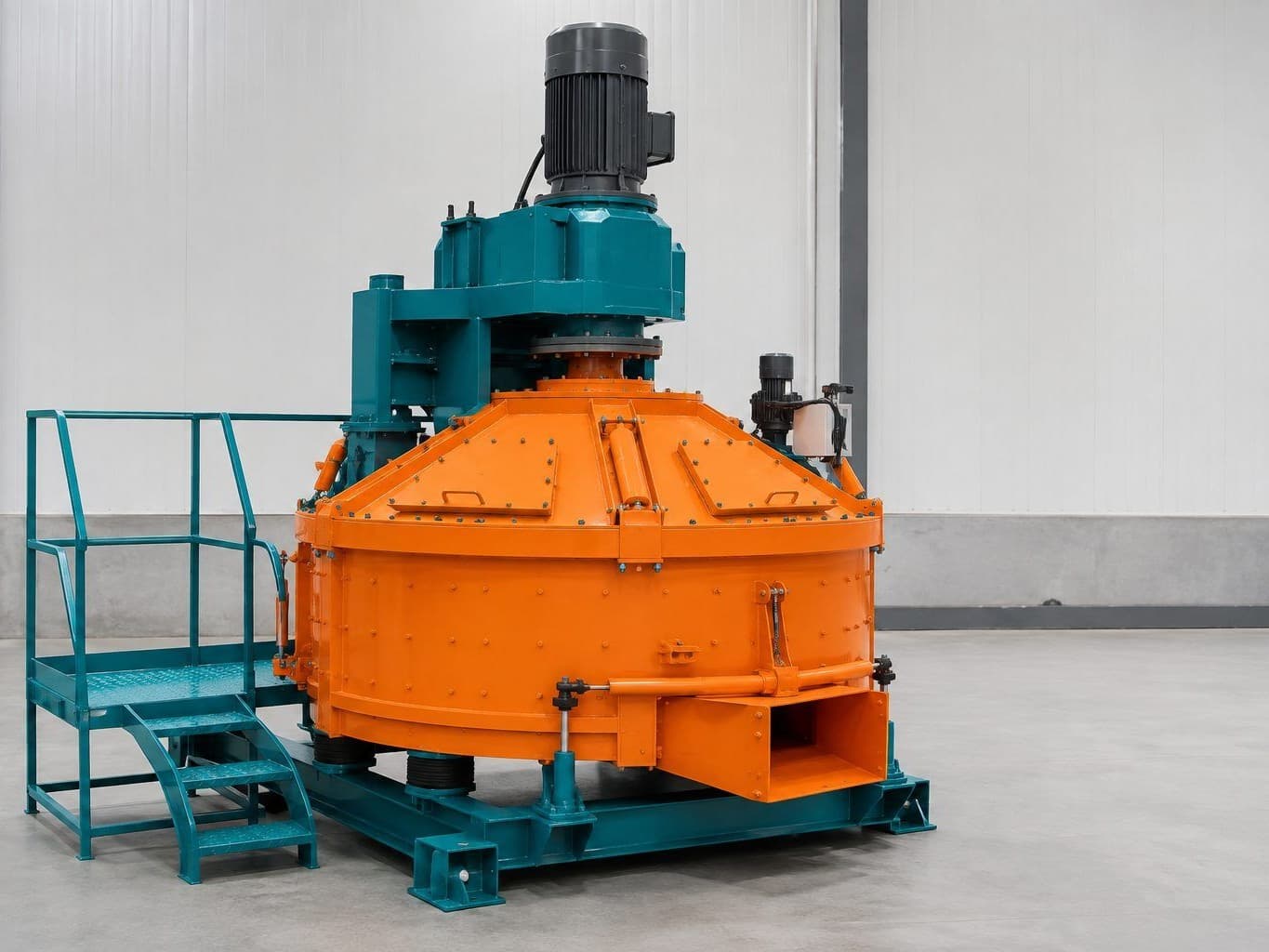
The mixer is selected from compacted batch volume, aggregate size, workability, number of ingredients and the required uniformity. Twin-shaft forced-action mixers are widely used for ready-mix and structural concrete because they provide intensive mixing and support a broad recipe range. Drum mixers may suit simpler mobile applications, while specialized forced-action mixers can be evaluated for precast or demanding small batches.
Do not select mixer size from output alone. Check the approved mixing time, discharge method, wear-liner material, drive arrangement, access for cleaning and the availability of replacement arms, blades and seals.
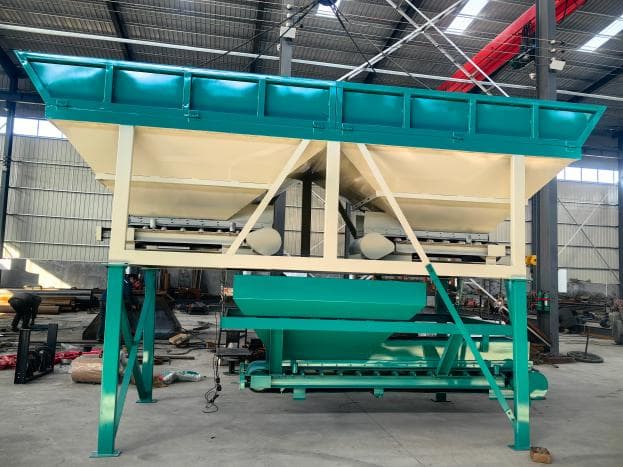
3. Aggregate storage and feeding
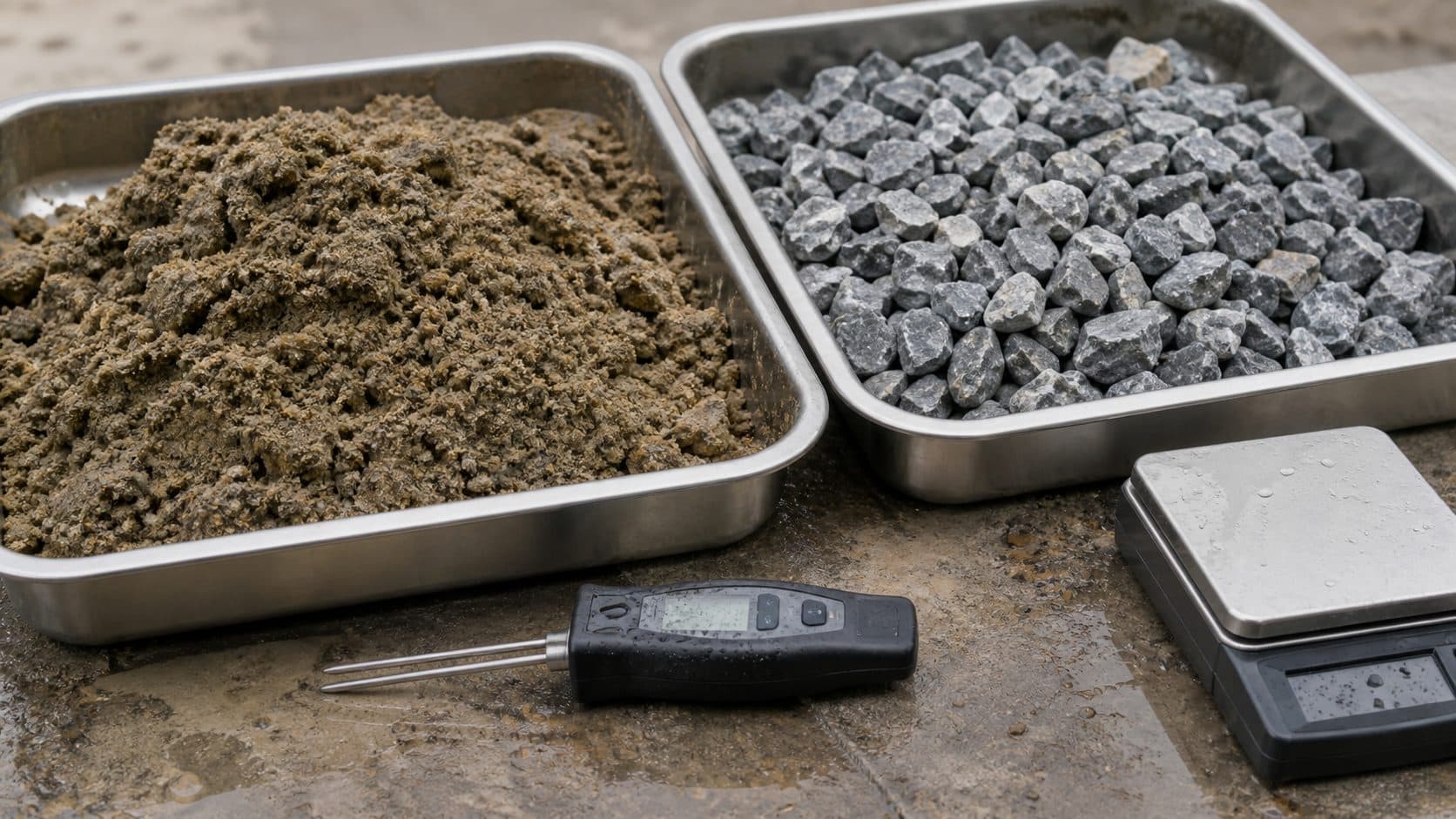
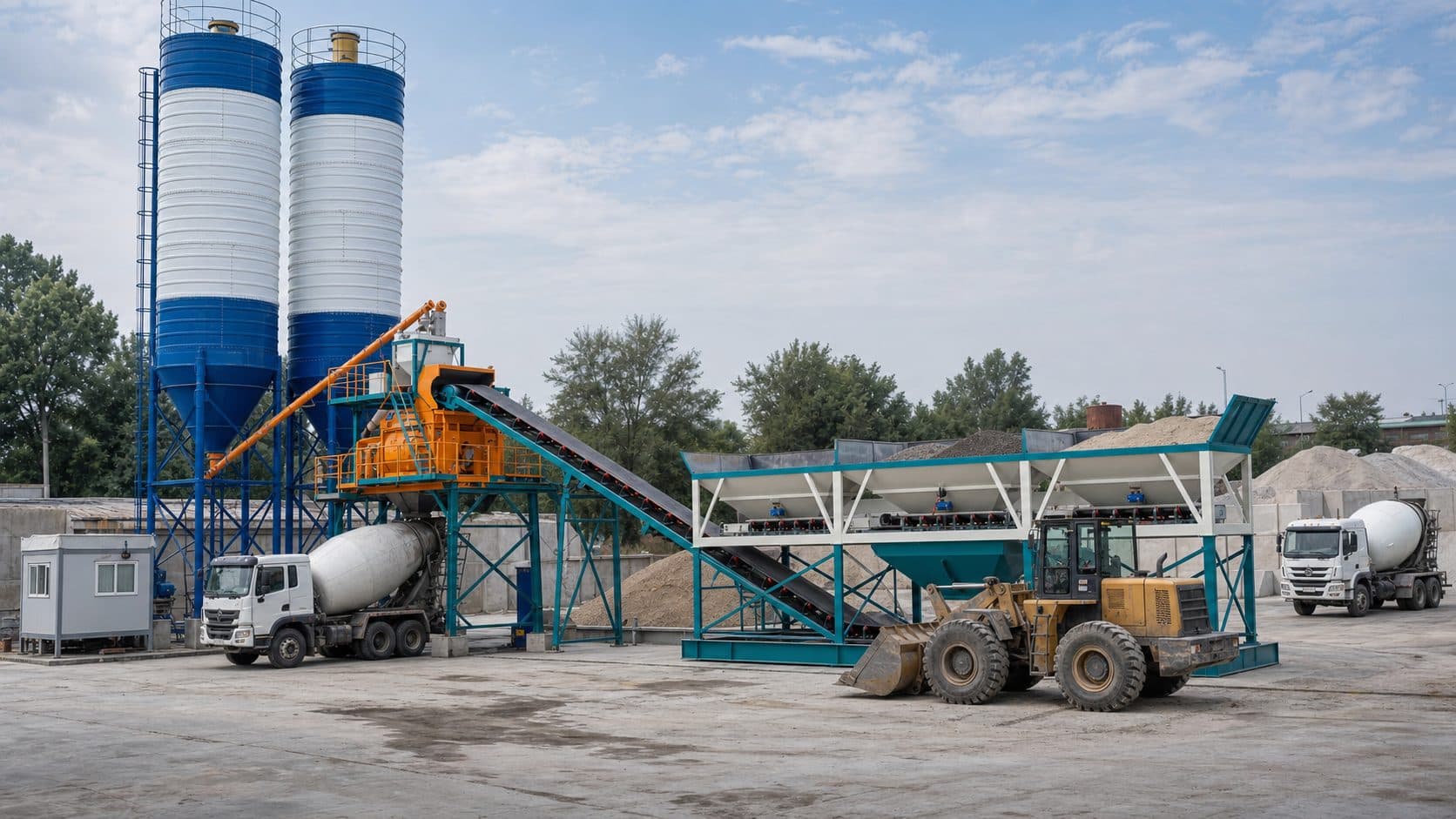
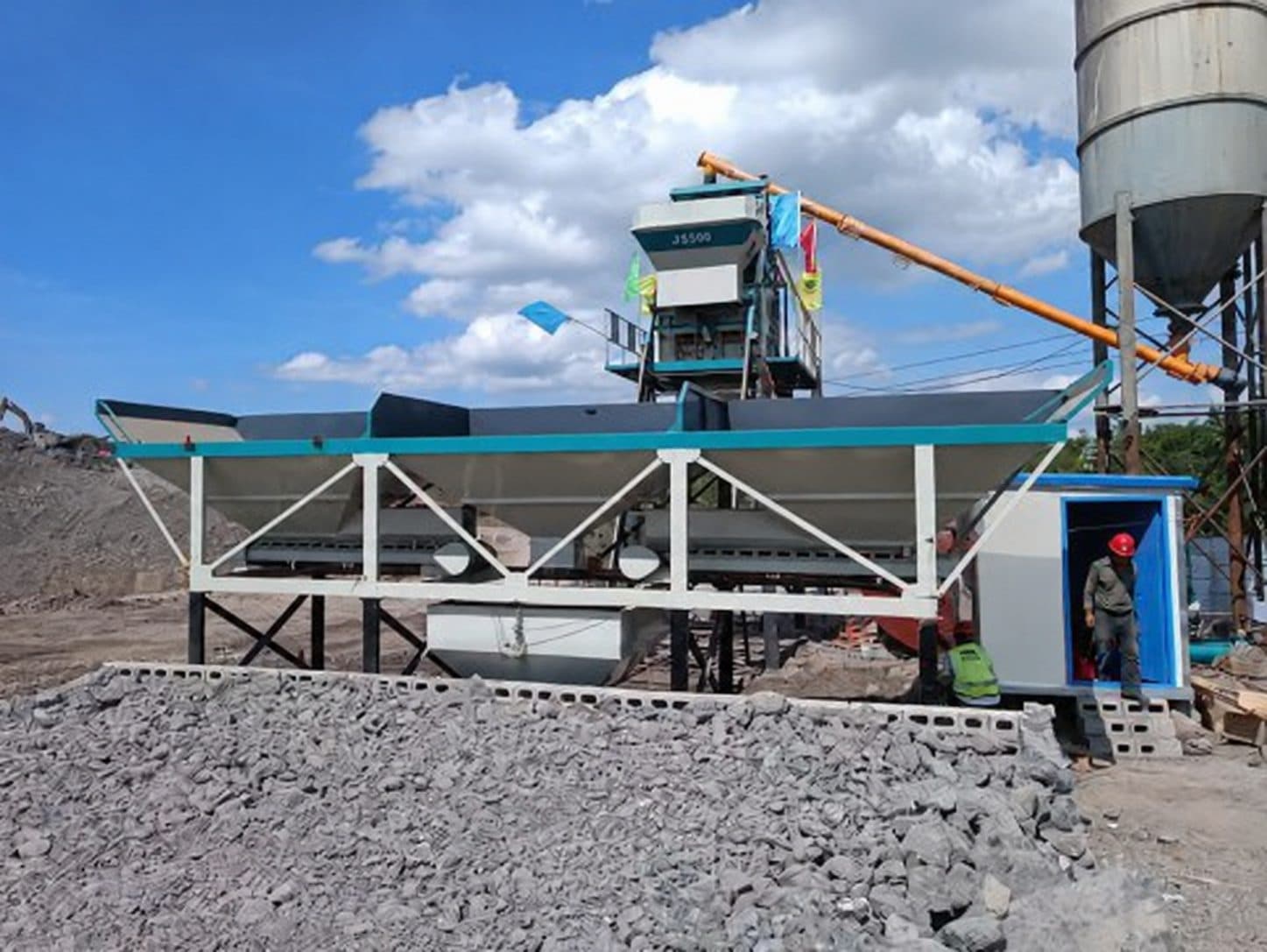
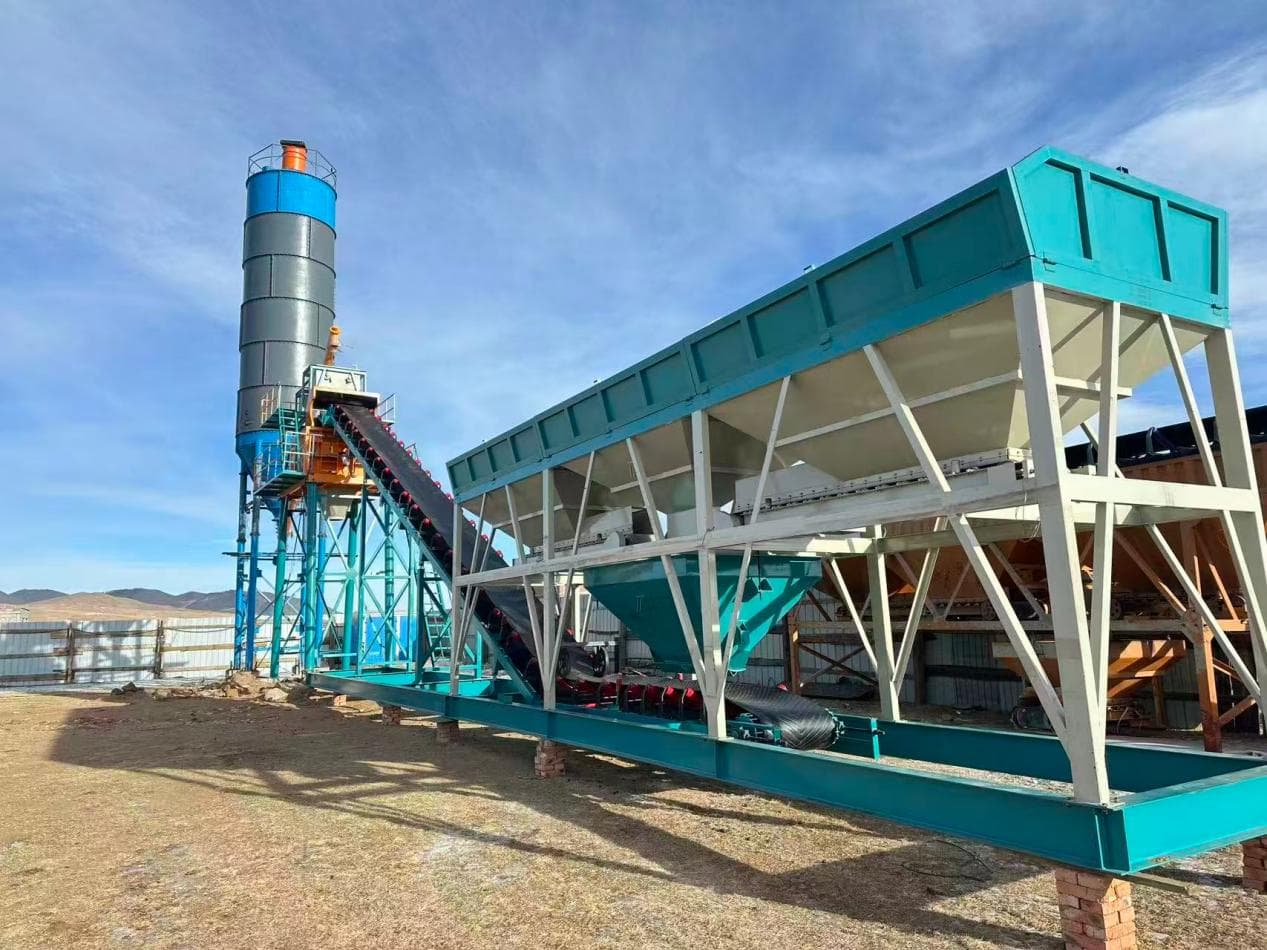
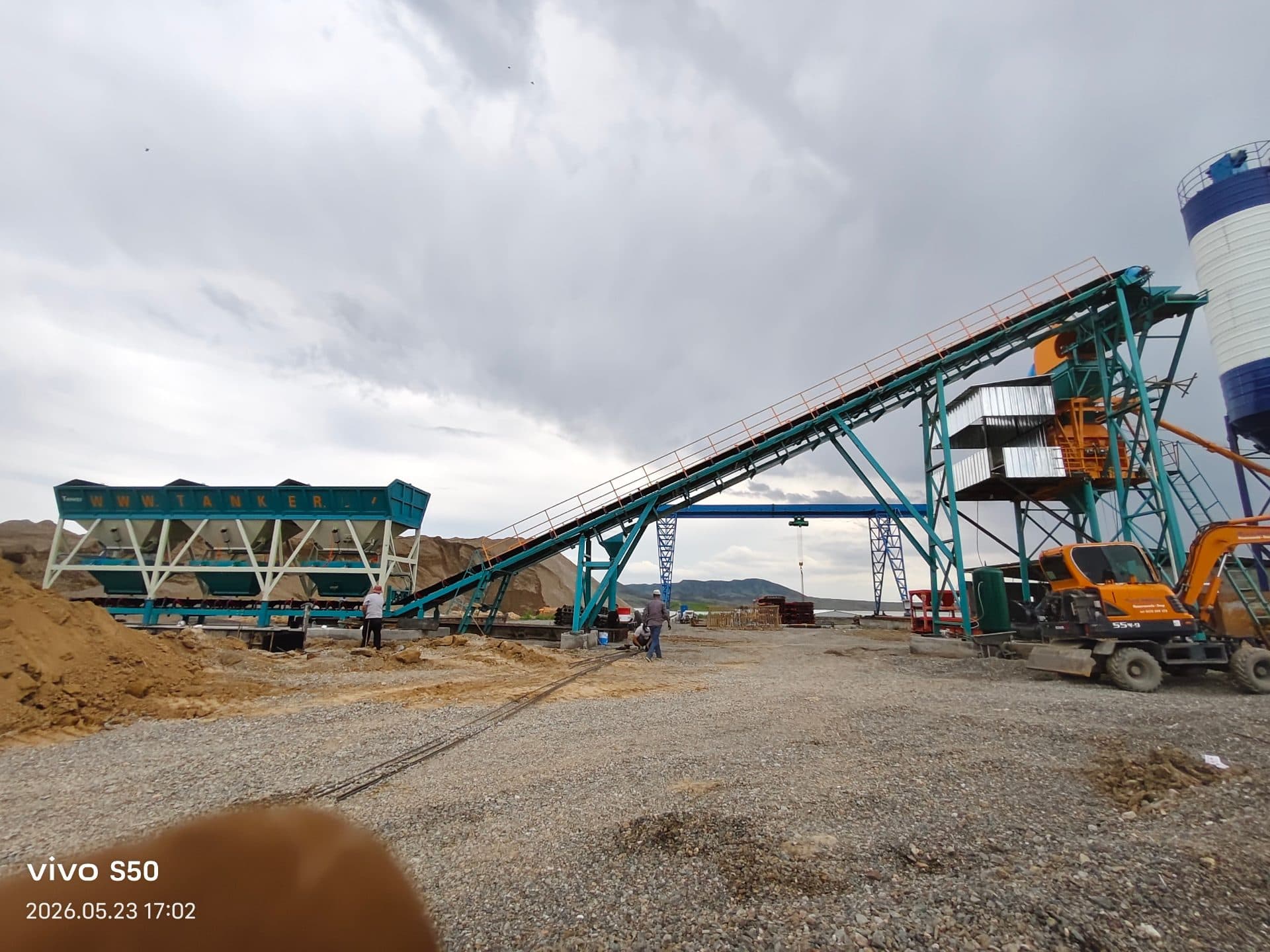
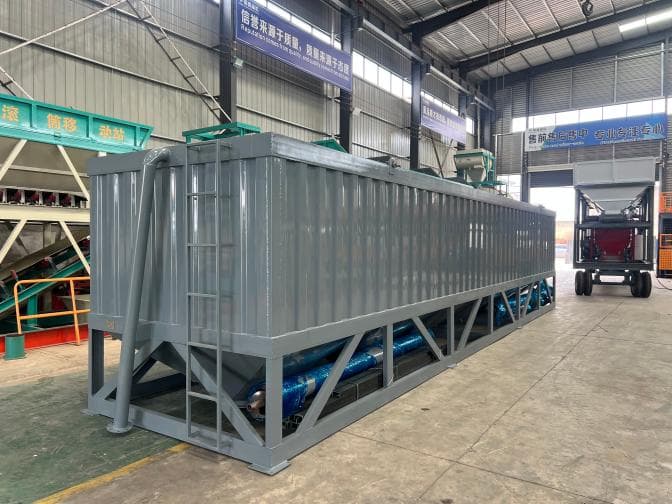
The number of aggregate bins should match the fractions used in the recipes. Bin volume must be evaluated against loader cycle, delivery method, peak consumption and available site area. A nominally large plant can still stop frequently when the bins are too small or loader routes conflict with truck traffic.
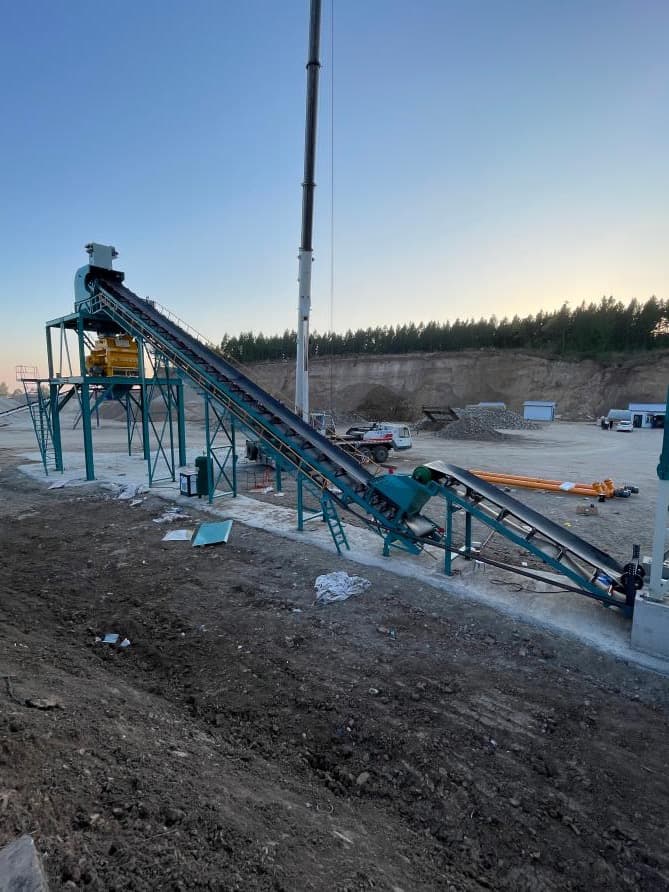
Compare cumulative and independent weighing arrangements, feeder type, belt or skip capacity, maximum aggregate size, moisture behaviour and protection against rain or freezing. Moisture probes can improve water correction, but they require calibration and do not replace laboratory control.
4. Cementitious materials, water and admixture dosing
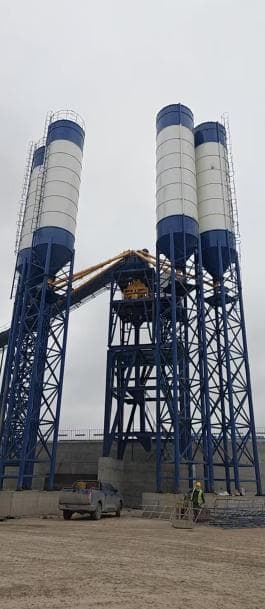
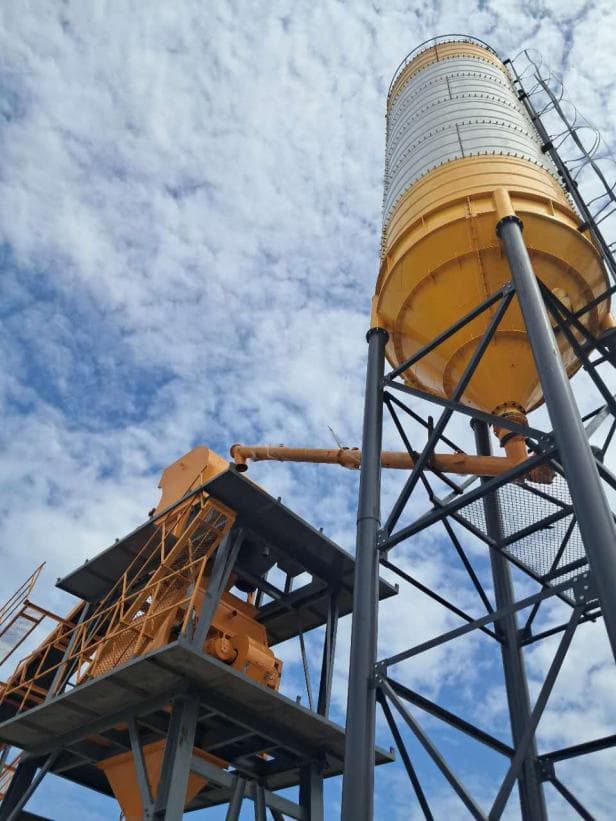
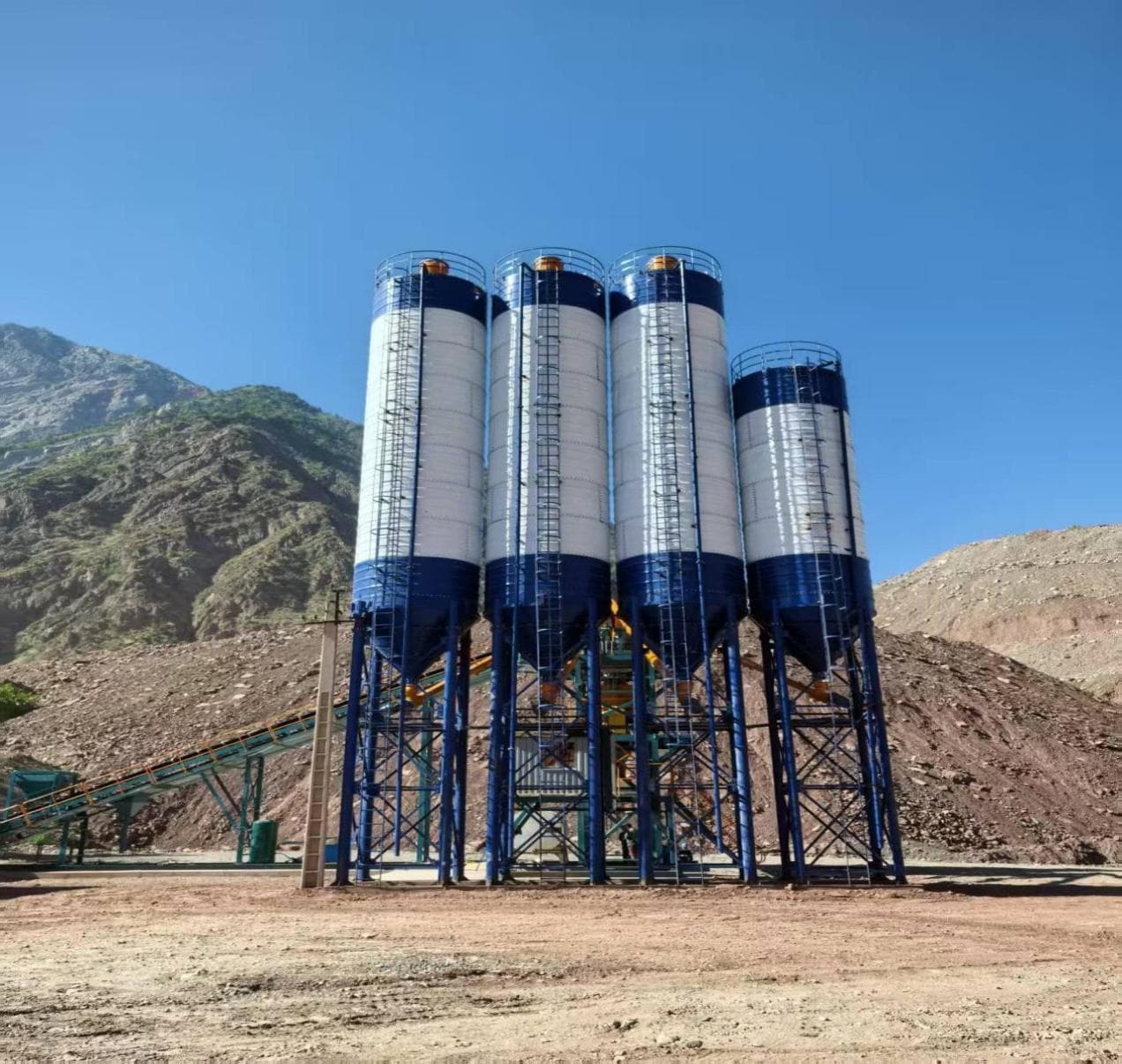
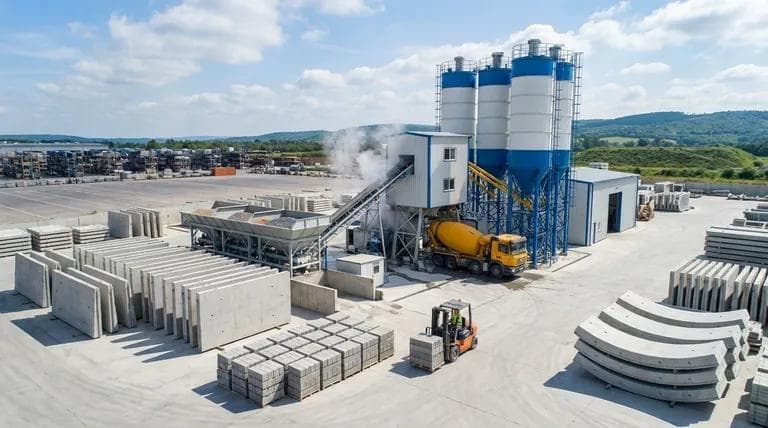
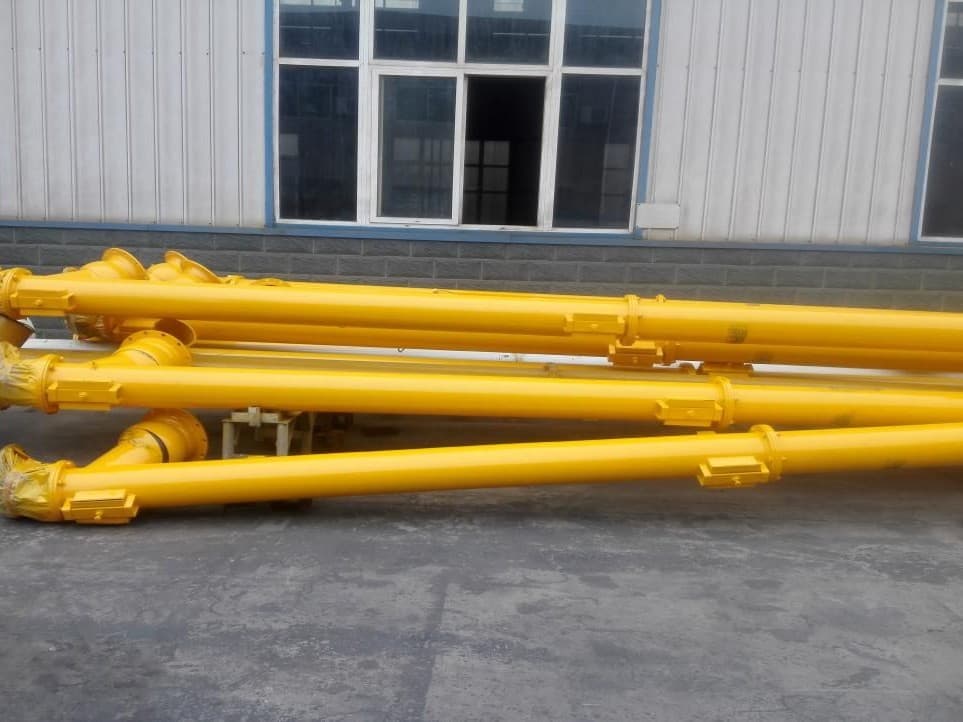
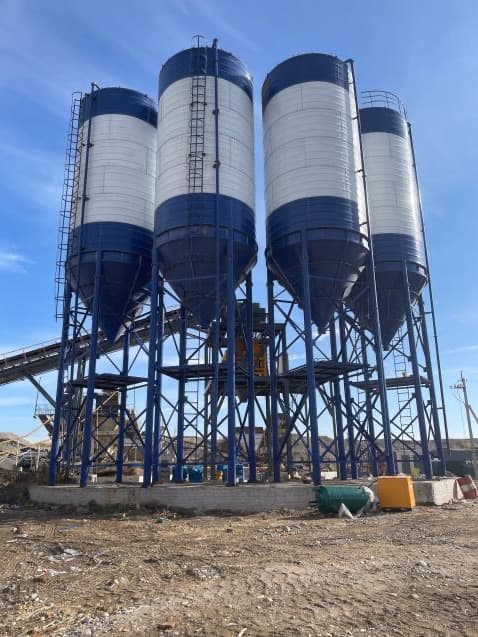
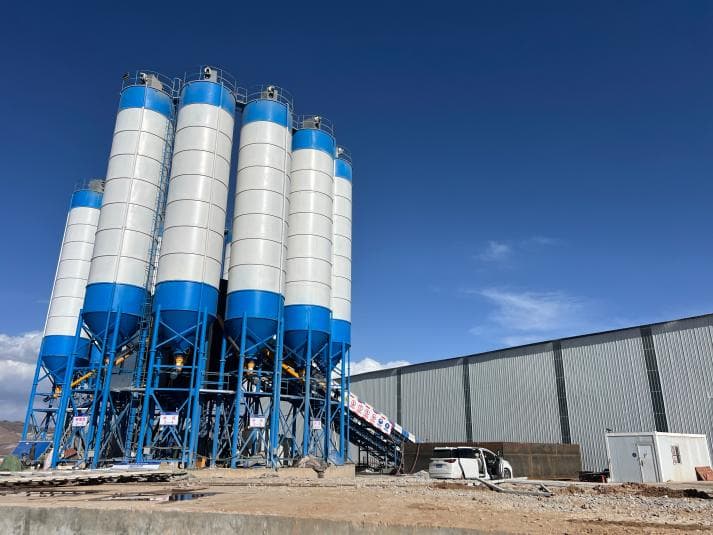
Each cement, mineral addition and special powder may require its own silo, screw conveyor and weighing circuit. Silo quantity is therefore not a universal standard. It depends on binder types, daily consumption, delivery interval, reserve policy and site space.
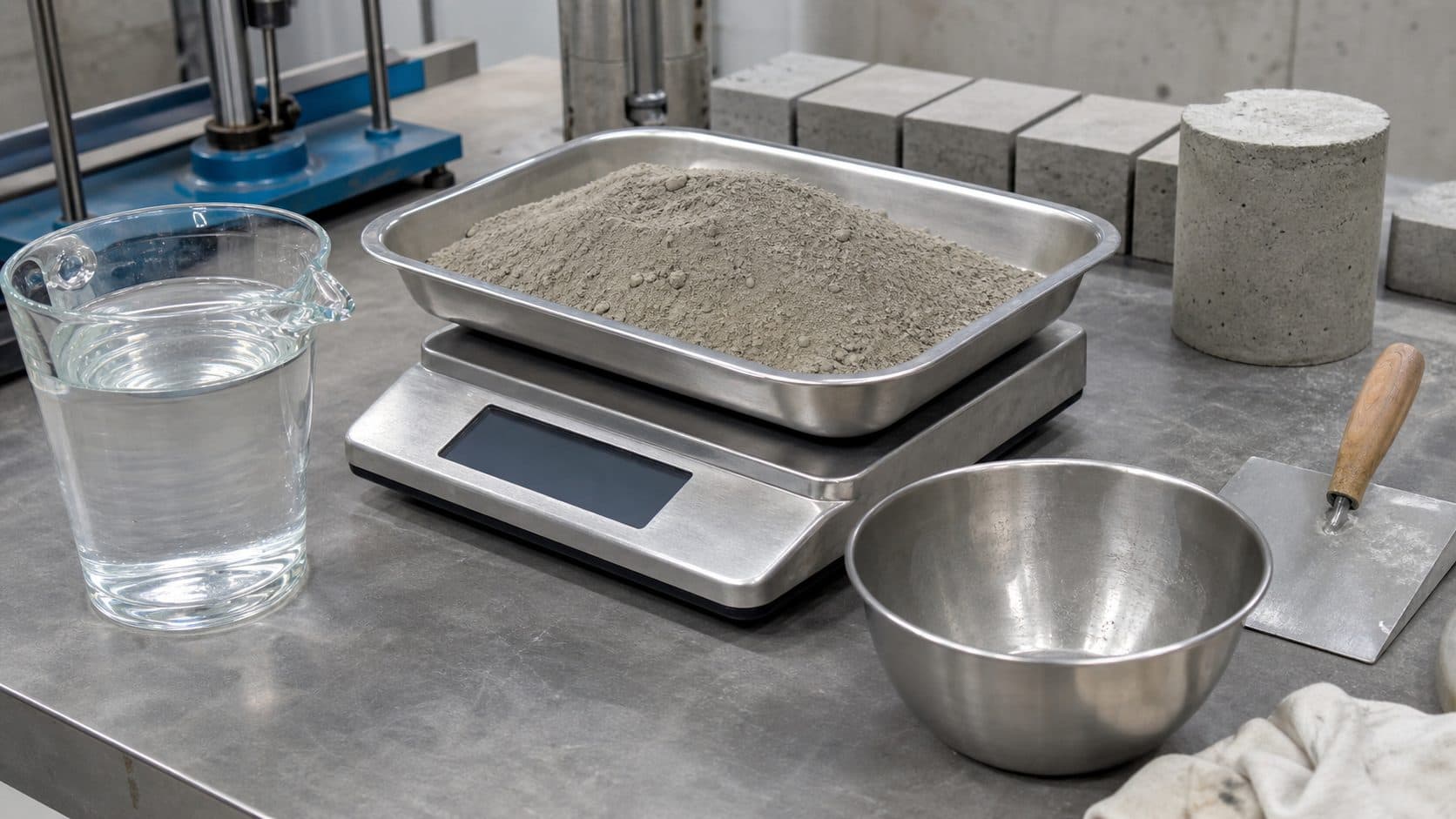
Review weighing ranges and reference accuracies for aggregates, cement, mineral powder, water and admixtures. A scale should operate within a useful part of its range for the actual recipe. Very small admixture quantities may require a dedicated fine-dosing circuit rather than a large general-purpose scale.
Also check screw-conveyor capacity and angle, pump flow, pipe diameter, admixture viscosity and whether materials can be dosed in parallel without extending the cycle.
5. Plant type, site area and foundation requirements
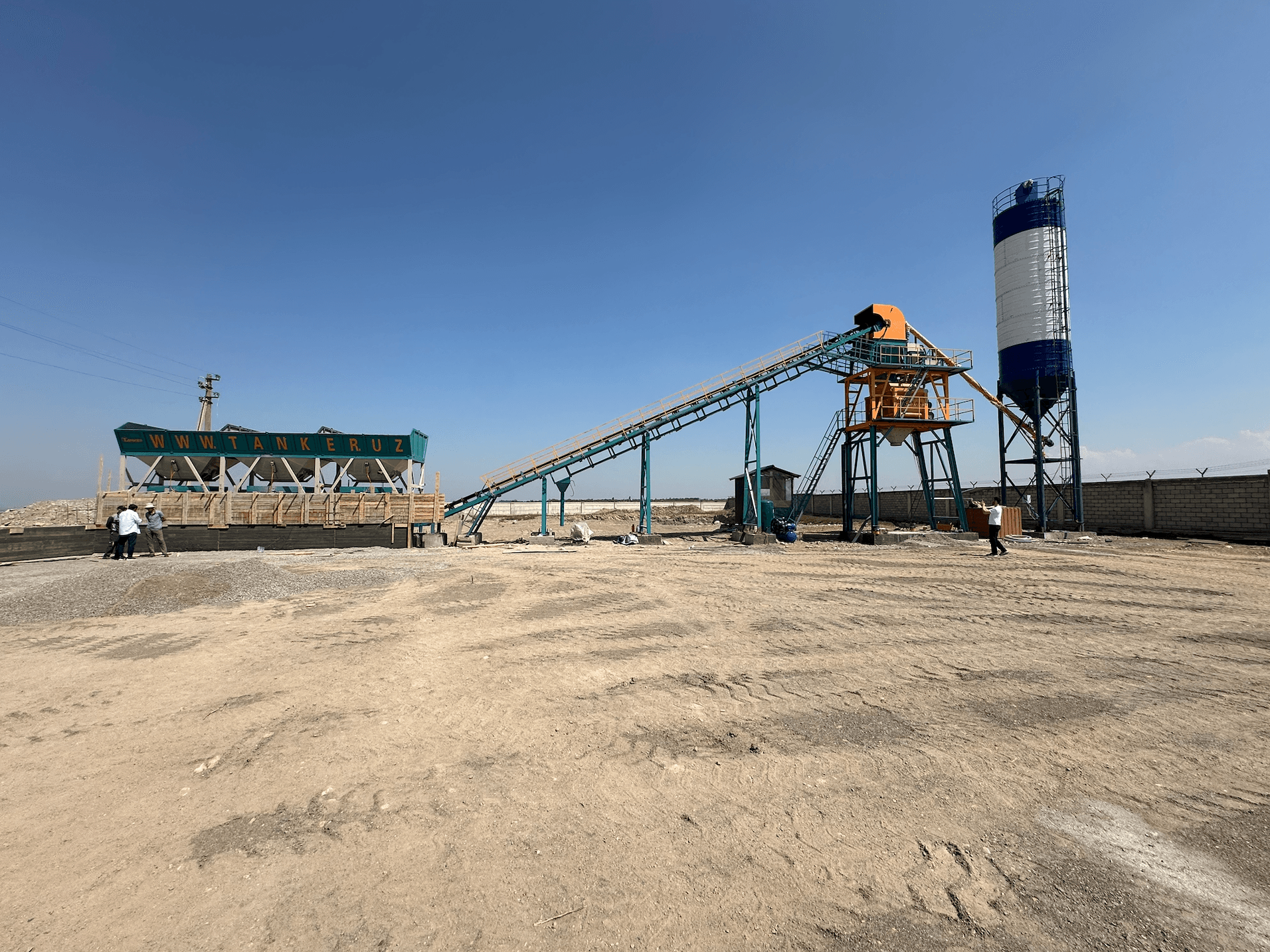
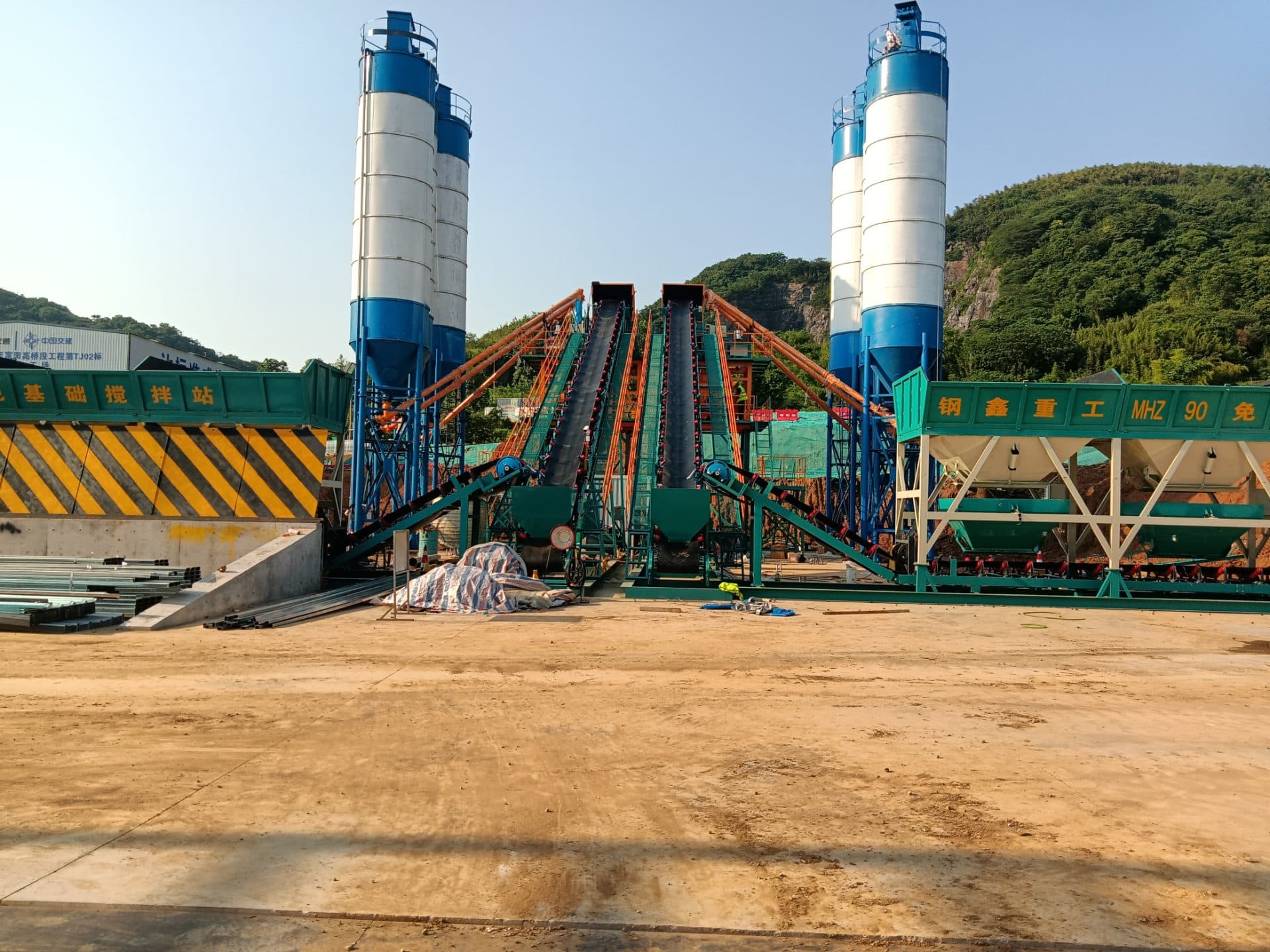
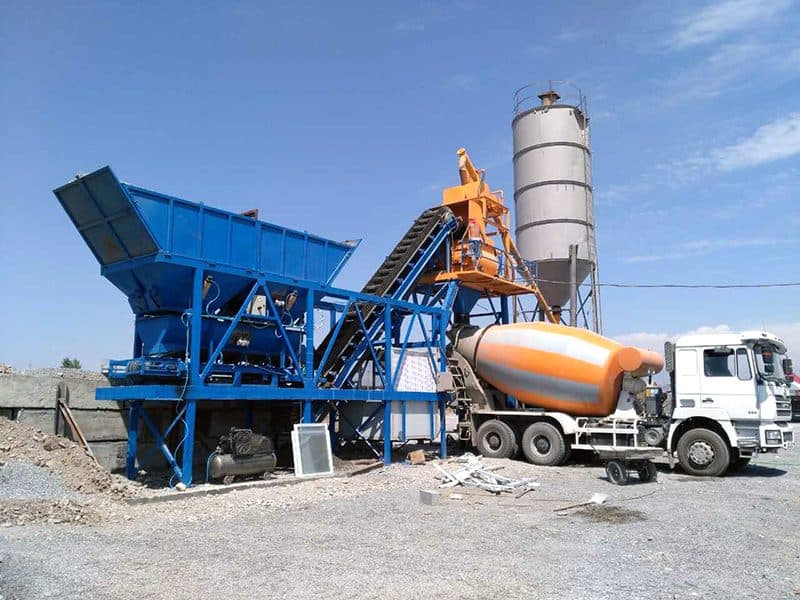
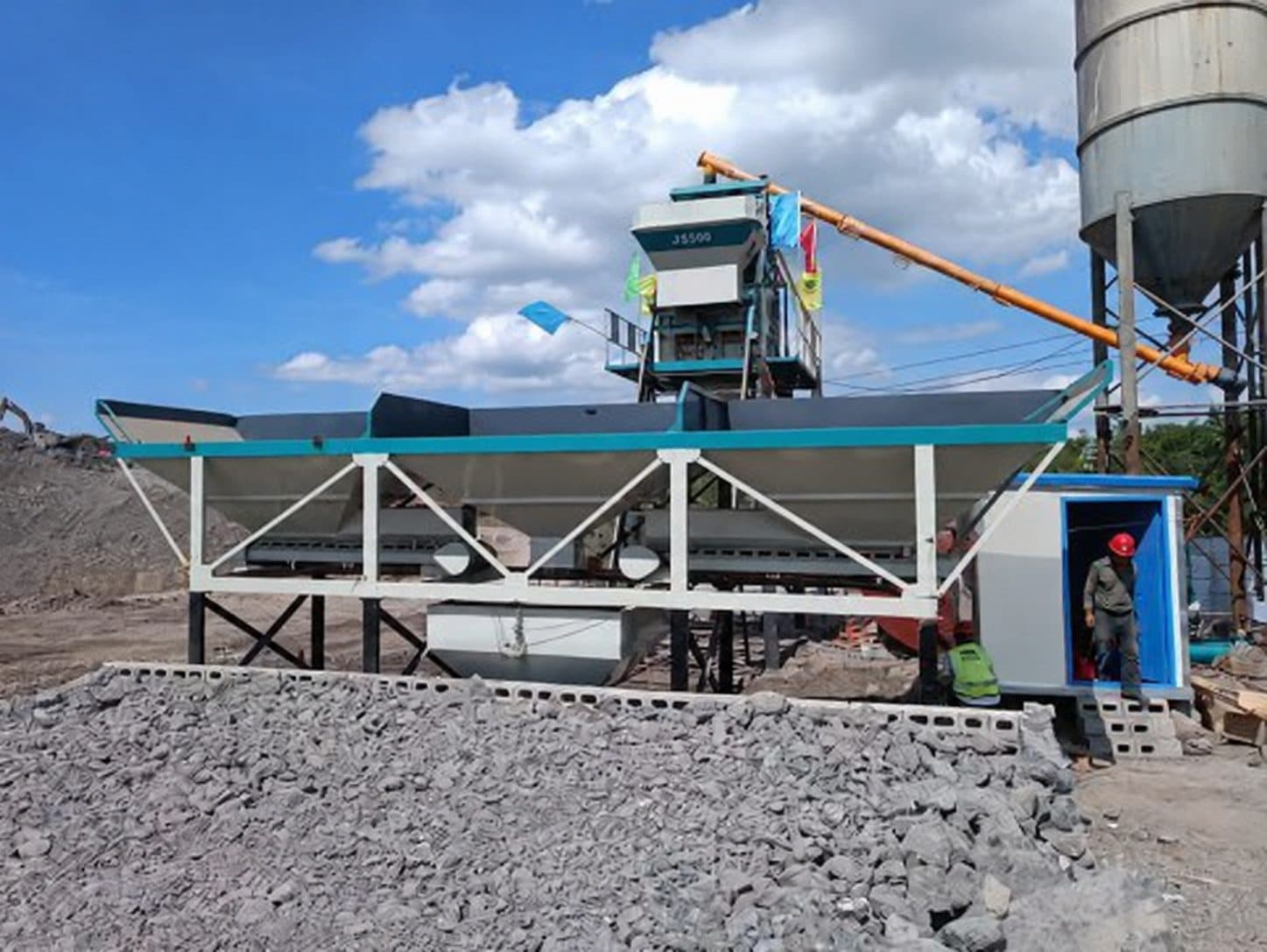
A stationary plant is normally preferred for long-term production at a fixed base. A mobile plant is considered when relocation frequency and installation speed are important. Compact or foundation-reduced layouts can save area and civil works, but they still require verified ground bearing capacity, level support points, drainage and properly engineered silo foundations.
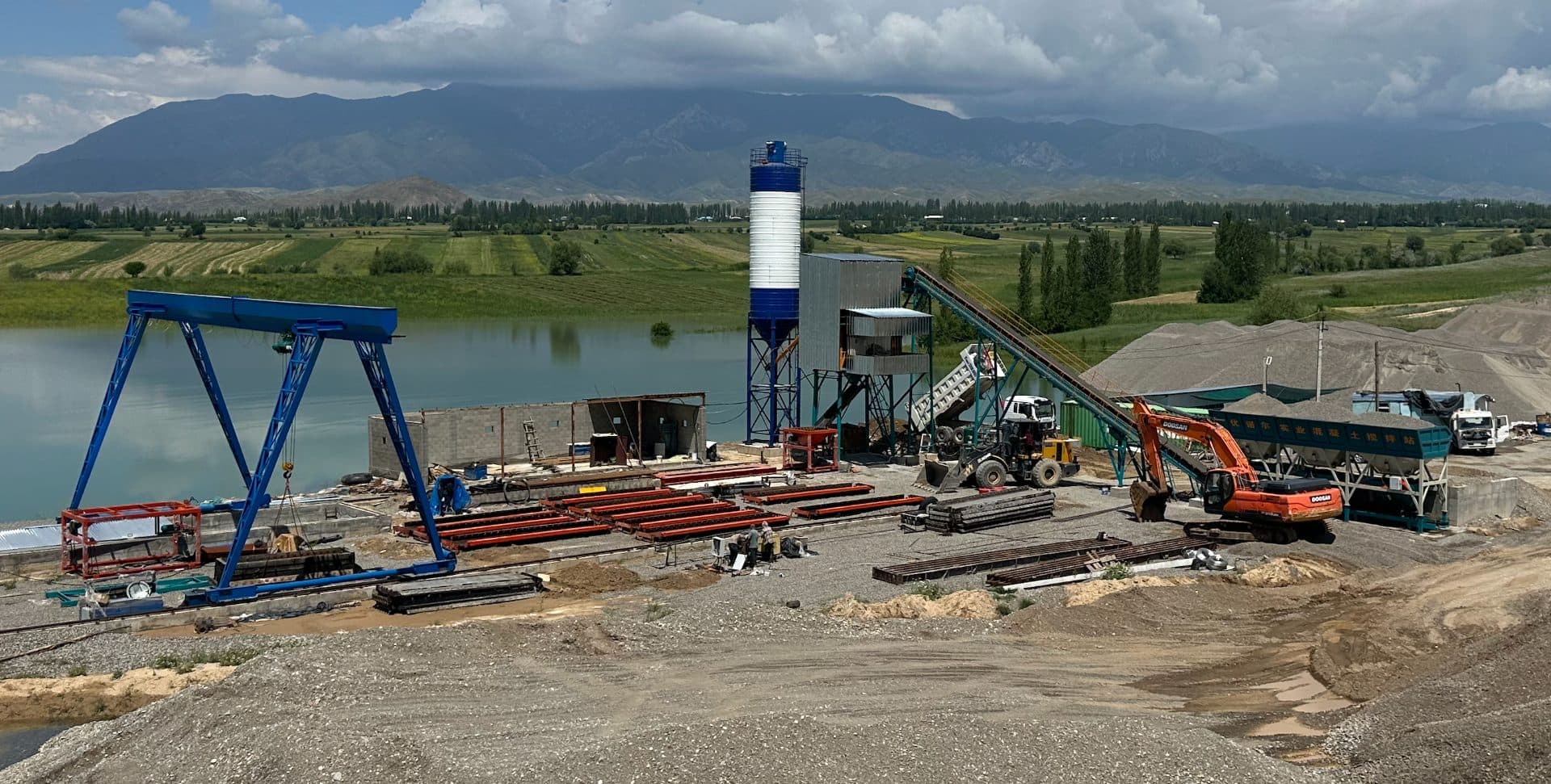
The site plan should include:
aggregate and cement-tanker access;
wheel-loader routes and stockpile area;
truck-mixer entry, loading and exit;
maintenance clearances and crane access;
control room, laboratory and spare-parts storage;
drainage, washout and dust-control areas.
Before ordering, confirm geotechnical data, wind and seismic requirements, electrical supply, water, compressed air and cable routes.
6. Control system, records and operating functions
The control system should manage recipes, batching sequences, weighing correction, alarms and manual commissioning functions. For commercial ready-mix or infrastructure projects, production records and material-consumption reports may be essential. Confirm language, user permissions, data export, printer, moisture correction and remote-service requirements in the quotation.
Automation can improve repeatability and parallel dosing, but it cannot correct inadequate bins, slow screw conveyors, missing materials or poor truck organization. Evaluate software and mechanical capacity together.
7. Climate and environmental requirements
Winter operation may require aggregate protection, hot-water systems, pipe insulation, trace heating, dry compressed air and enclosed modules. Hot-weather concrete may require shaded storage, chilled water or ice. These systems change connected power, fuel consumption, cycle time and maintenance needs.
Environmental scope can include silo filters, central dust collection, enclosure, noise control, wash-water recycling and stockpile runoff management. Requirements differ by location, so they should be confirmed against local permits rather than assumed to be standard.
8. Delivery, installation, service and lifecycle cost
Compare the complete supply boundary, not only the equipment price. A technically clear quotation should identify:
included machinery, silos, screws, cables, piping and control functions;
transport dimensions, module weights and crane requirements;
foundation and electrical drawings;
installation supervision and commissioning;
operator and maintenance training;
warranty conditions and remote-support scope;
recommended initial spare parts and normal wear parts;
documentation language and certification requirements.
Lifecycle cost includes foundation work, transport, energy, loader operation, mixer wear, belt and screw maintenance, cleaning time and downtime caused by unavailable parts. The lowest purchase price is not always the lowest production cost.
Comparison checklist
Criterion | Questions to confirm | Common risk if ignored |
|---|---|---|
Capacity | Peak demand, full cycle and supporting equipment? | Nominal output cannot be reached |
Mixer | Recipe, batch size, mixing time and wear parts? | Inconsistent mix or high wear |
Aggregate system | Fractions, bin reserve, feeder and conveying capacity? | Loader delays and interrupted cycles |
Powder and liquids | Silos, screws, scale ranges, pumps and accuracy? | Slow or inaccurate dosing |
Site | Area, foundations, utilities and traffic plan? | Costly civil-work changes |
Control | Recipes, reports, languages and service access? | Weak traceability or difficult operation |
Climate | Heating, cooling, dust and water management? | Seasonal shutdowns or permit problems |
Support | Installation, training, spares and documentation? | Extended commissioning or downtime |
Questions to send to a supplier
What exact mixer model and compacted batch output are included?
What reference cycle is used for the nominal capacity?
Which processes operate in parallel?
What are the weighing ranges and reference accuracies?
What are the bin volumes and belt, skip and screw capacities?
Which silos, filters, pumps, compressor and control functions are included?
What are the connected load, voltage and utility requirements?
Which foundations, buildings, cranes and local works are excluded?
What commissioning tests, training and spare parts are included?
Which options are required for the site climate and concrete recipes?
Frequently asked questions
Is a larger-capacity plant always the better choice?
No. Oversizing increases investment, connected load and sometimes cleaning losses. The plant should be matched to peak demand and the complete material and transport system.
How many aggregate bins are required?
At least the number of fractions that must remain separate for the planned recipes, with additional provision only when operationally justified.
How many cement silos are required?
The answer depends on the number of binders, consumption, delivery frequency and reserve policy. There is no single standard quantity.
Can a mobile plant replace a stationary plant?
It can when relocation and temporary installation are priorities and its capacity, mixer, storage and climate configuration meet the production requirement.
What project data are needed for a quotation?
Required output, concrete recipes, aggregate fractions, binders, site layout, utilities, climate, silo reserve, transport limits and target commissioning date.
Conclusion
A useful batching-plant comparison links every major component to the real production task. Define demand and recipes first, then verify the mixer, storage, dosing, conveying, control, site works, climate package and support scope as one system.
Send TANKER the project data rather than only a model request. This allows the plant configuration and quotation to reflect actual production, installation and operating conditions.