How Does the Water–Cement Ratio Affect Concrete Strength?
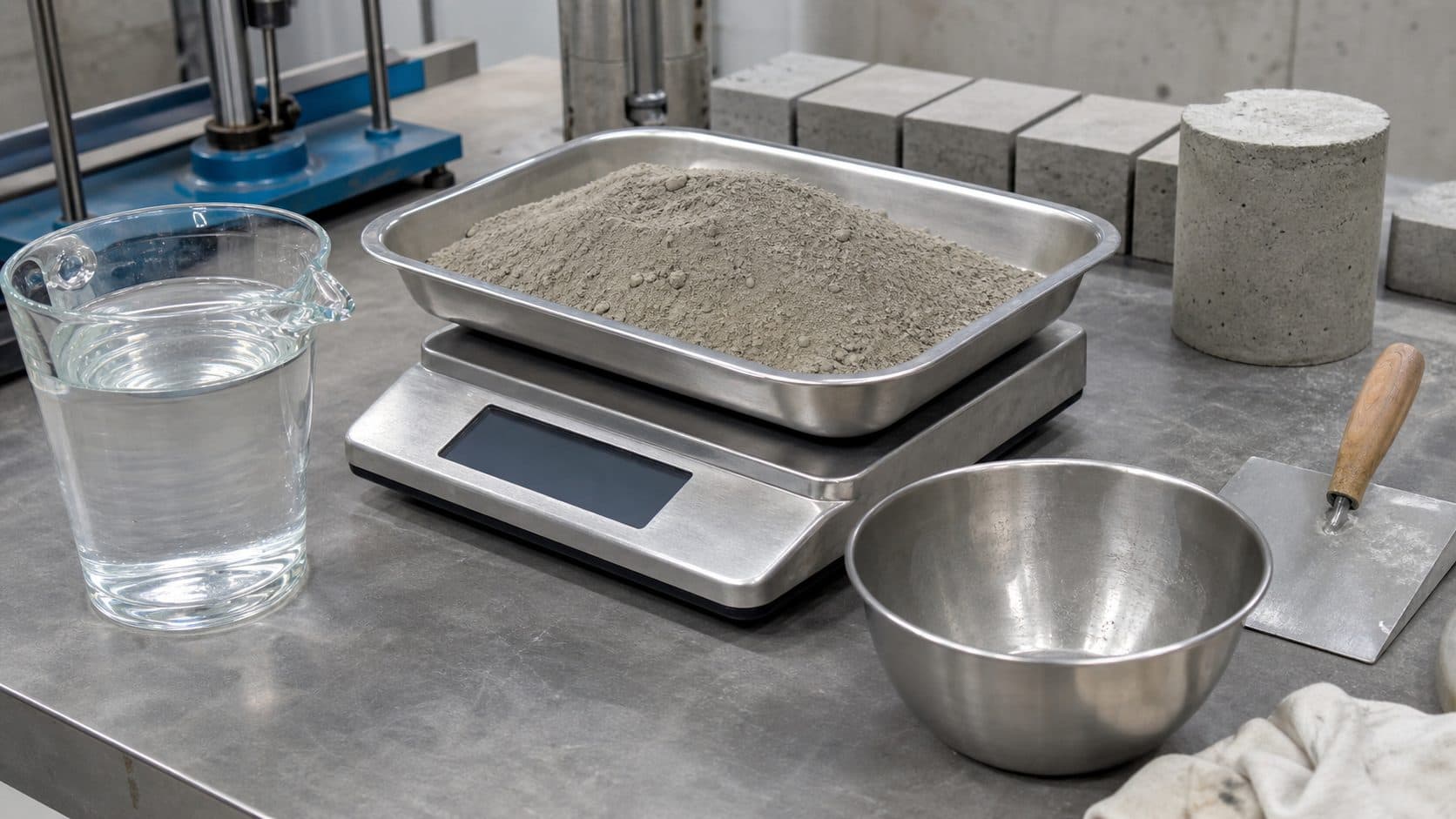
Water is needed for cement hydration and for workable fresh concrete. Water beyond the amount needed by the verified mixture, however, leaves additional capillary pores in the hardened cement paste. This generally reduces strength and durability. Concrete technology therefore considers not only cement content but also the relationship between all mixing water and the cementitious materials.
What are w/c and w/cm?
The traditional water–cement ratio is:
w/c = mass of total mixing water / mass of cement
When fly ash, slag, silica fume or other cementitious components are used, the more complete water-to-cementitious-materials ratio is:
w/cm = mass of total mixing water / mass of all cementitious materials
The ratio is calculated by mass, not volume. Which materials may be counted as cementitious must follow the project, applicable standard and approved mixture design.
Total water is more than the plant water setting
The actual water balance may include:
water delivered by the plant scale or meter;
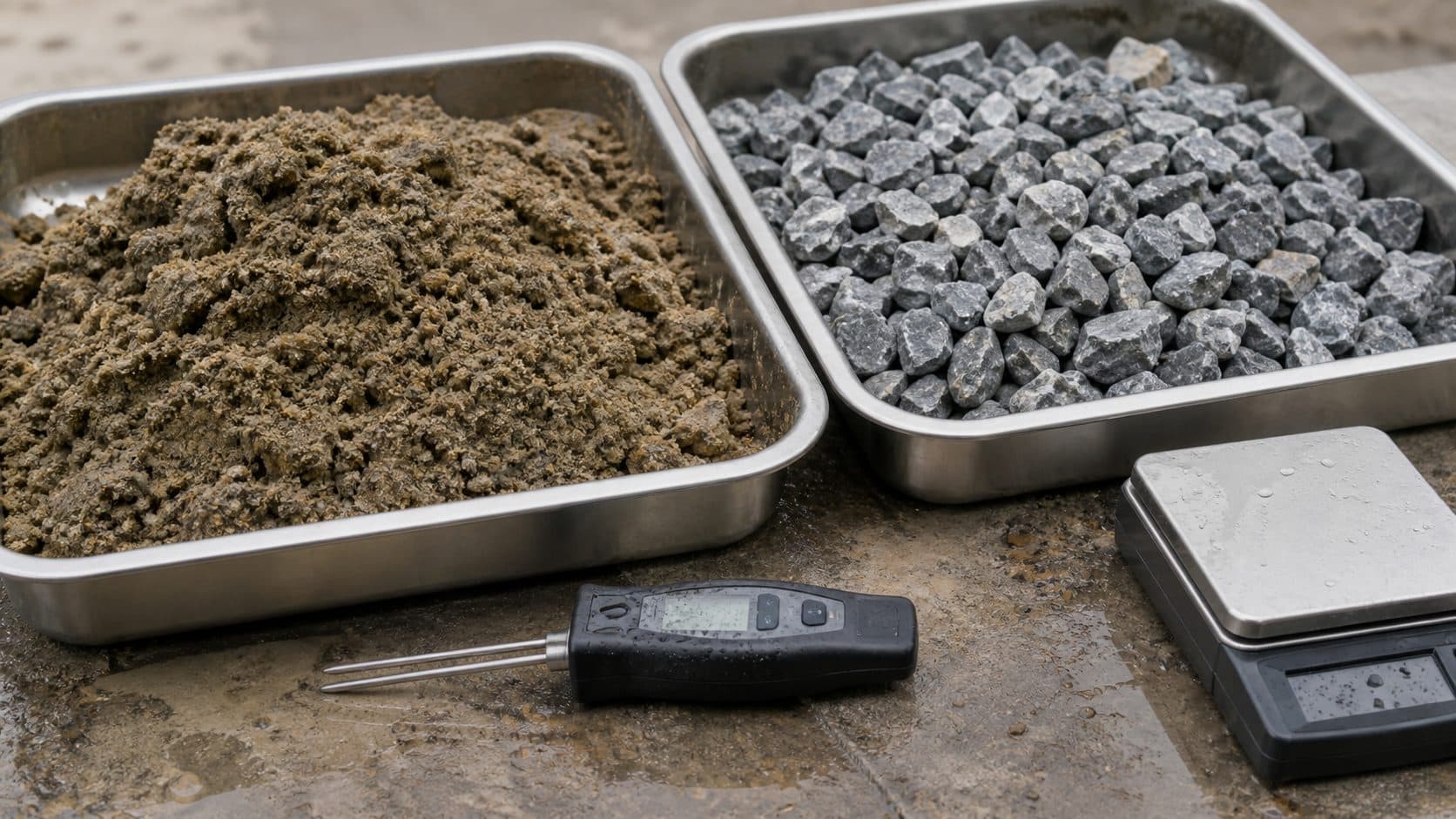
free surface moisture on sand and coarse aggregate;
ice or water introduced for temperature control;
retained mixer water that affects the batch;
significant water introduced with liquid admixtures;
any water added at the jobsite.
Water held inside aggregate pores up to the SSD condition is normally not free mixing water. A dry aggregate can instead absorb some of the mixture water, so its condition also requires a correction.
How does the ratio affect strength?
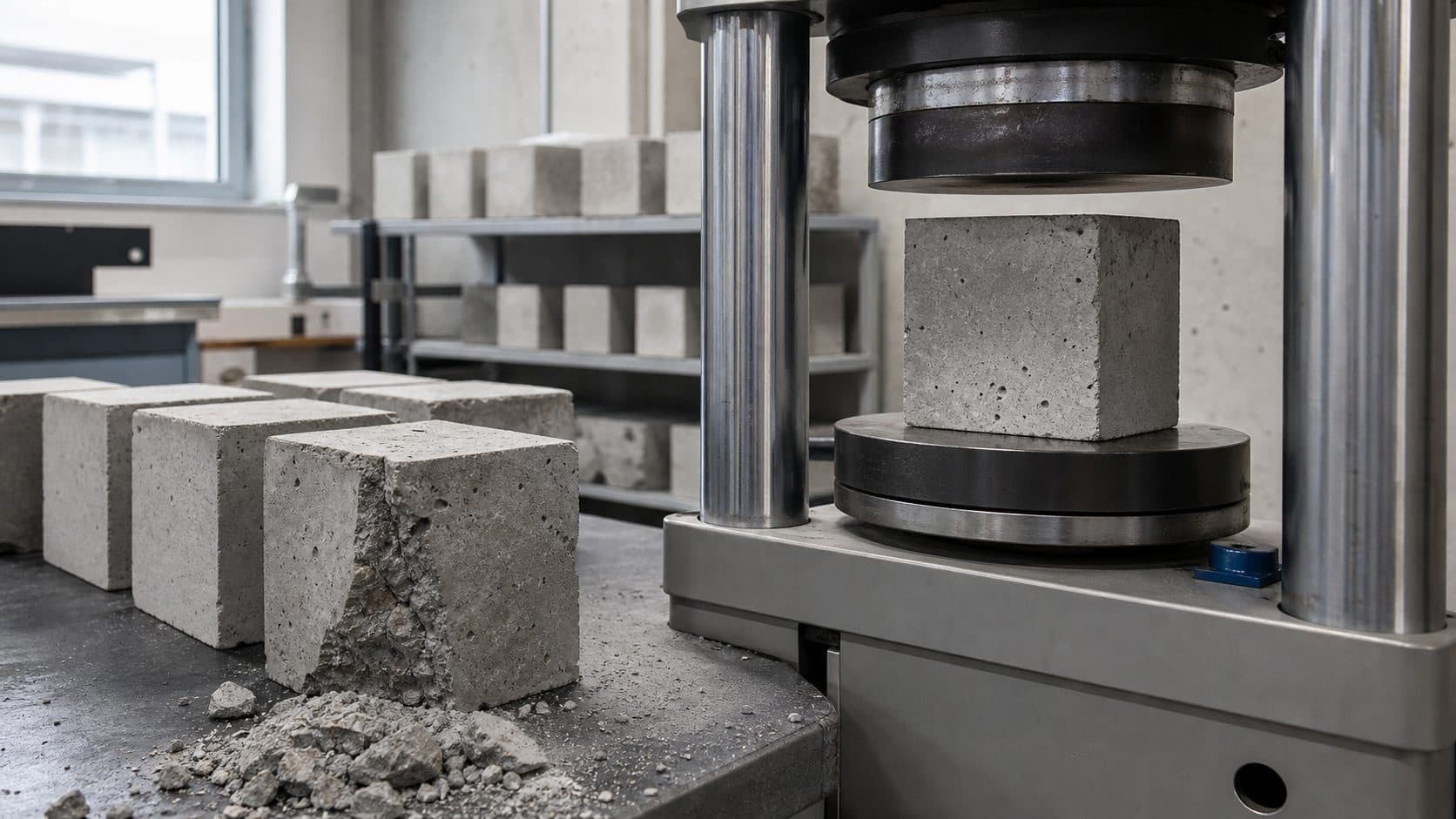
For the same materials, with adequate mixing, consolidation and curing, a lower w/cm generally produces higher compressive strength because less excess water leaves fewer capillary pores.
An excessive w/cm increases the risk of:
lower compressive strength;
bleeding and segregation;
increased porosity and permeability;
lower resistance to moisture, freezing and aggressive exposure;
greater drying shrinkage and cracking potential;
higher variation between batches.
But setting an arbitrarily low w/cm is not the objective. If a mixture is too stiff to place around reinforcement or cannot be consolidated, voids can reduce the strength achieved in the structure. Required workability should be obtained through balanced aggregate grading, paste volume and a compatible water-reducing admixture.
Calculation example
This example illustrates the water balance and is not a recommended concrete recipe.
With 360 kg of cementitious materials and 180 kg of total water:
w/cm = 180 / 360 = 0.50
If 20 kg of free water from the sand is ignored and the plant still adds the full 180 kg:
actual w/cm = (180 + 20) / 360 = 0.56
The recipe screen may show 0.50 while the actual concrete is at 0.56. Aggregate-moisture measurement and water correction are therefore part of w/cm control.
Does adding more cement solve excess water?
Adding cement may mathematically reduce the ratio, but it does not automatically produce an optimized concrete. More paste can increase heat, shrinkage, cost and embodied carbon. Aggregate grading, total water, admixtures, placing and curing must be considered together.
How is the required w/cm established?
The decision is based on:
specified strength and required average strength;
durability requirements for water, freezing, chlorides, sulfates or other exposure;
reliable previous production data or trial batches using the actual materials.
A single online “w/c for M300” value is not universal. The strength relationship changes with cement, aggregates, air content, admixtures and test conditions.
Maintaining w/cm at the batching plant
Dose water accurately by mass.
Determine free moisture in sand and coarse aggregate regularly.
Correct wet aggregate mass and added water together.
Dose admixtures through separate calibrated systems.
Restrict and record manual water additions.
Store the recipe version and actual quantities for every batch.
Verify scales, moisture probes and the water-dosing system.
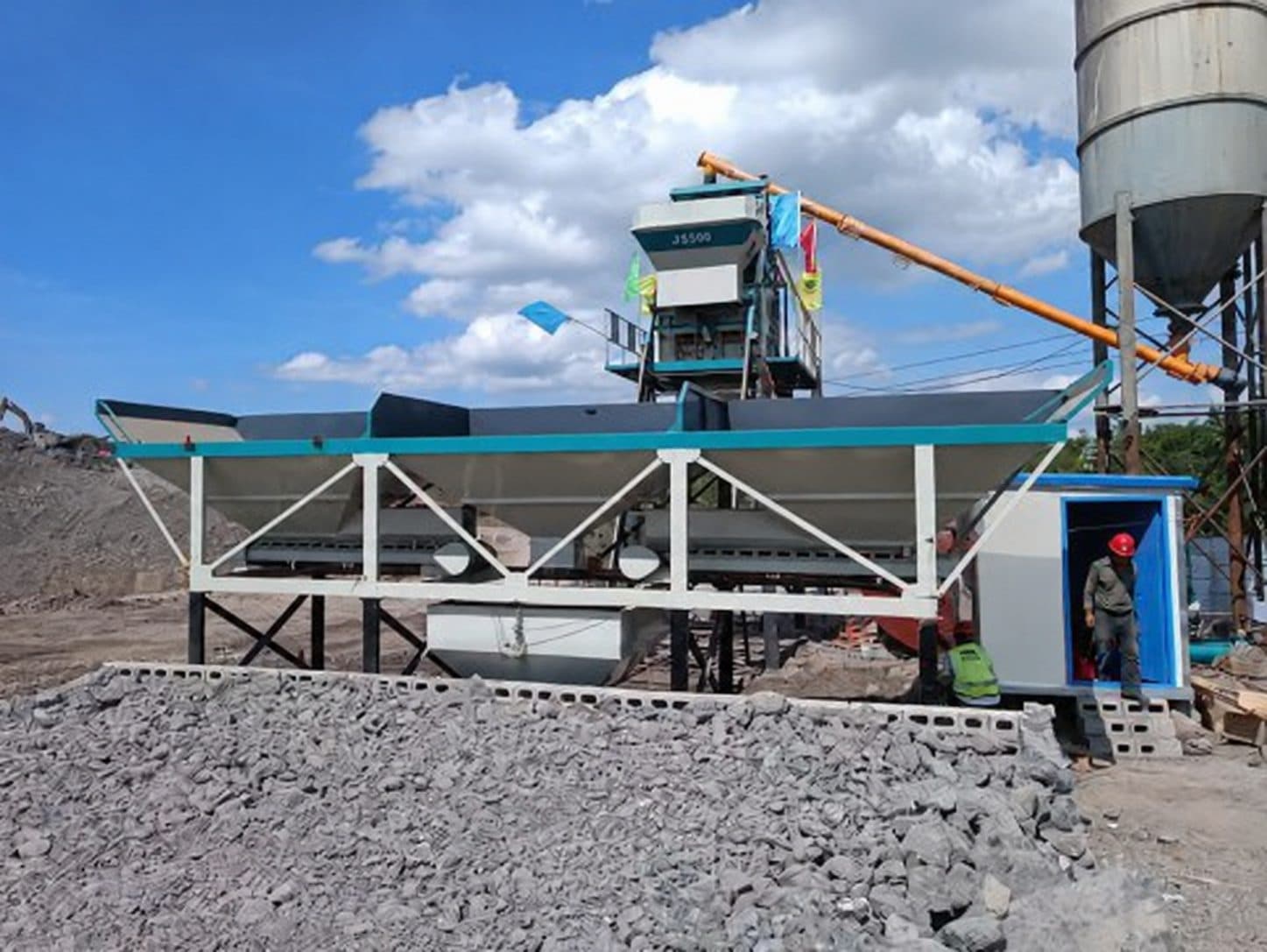
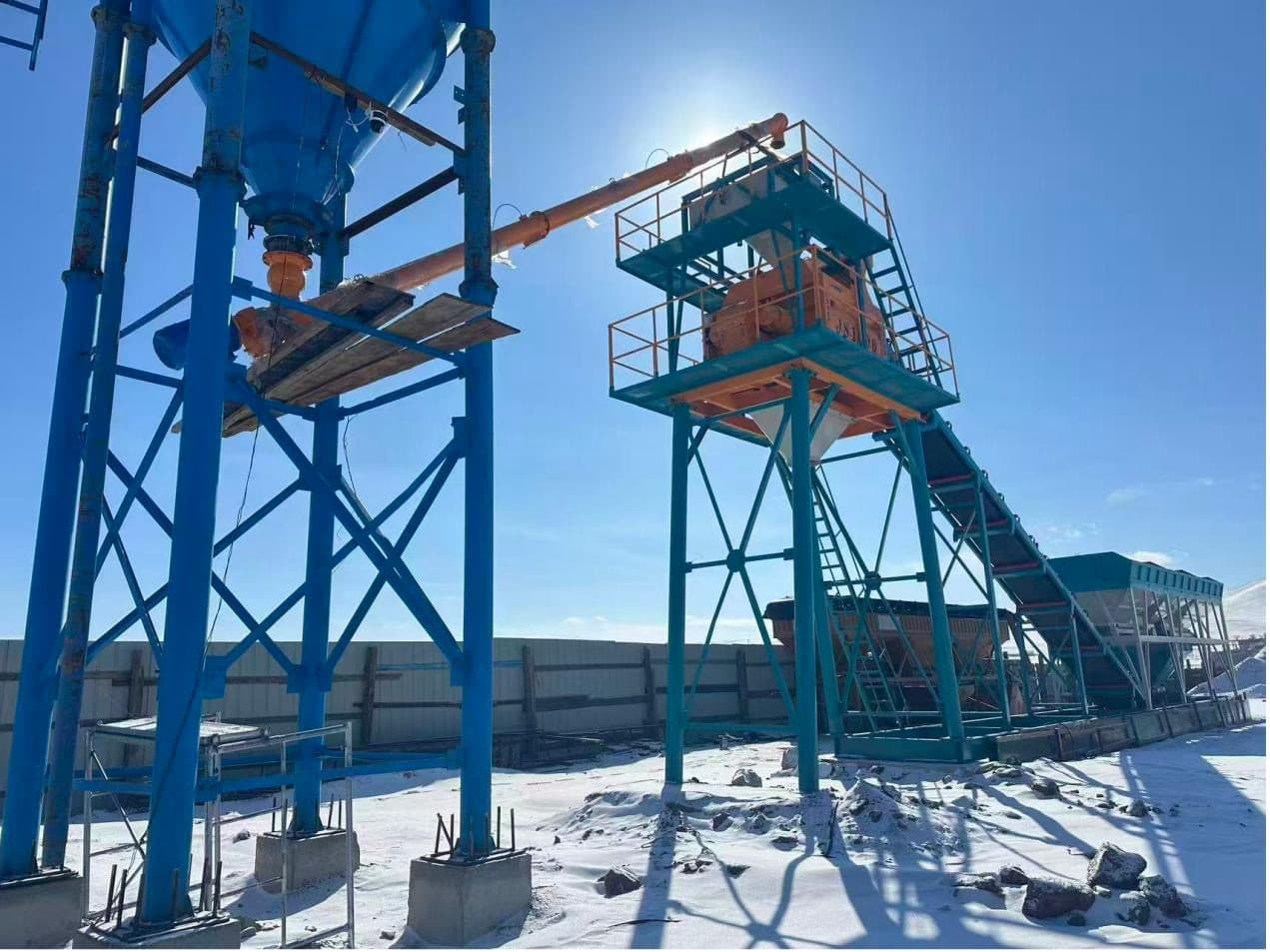
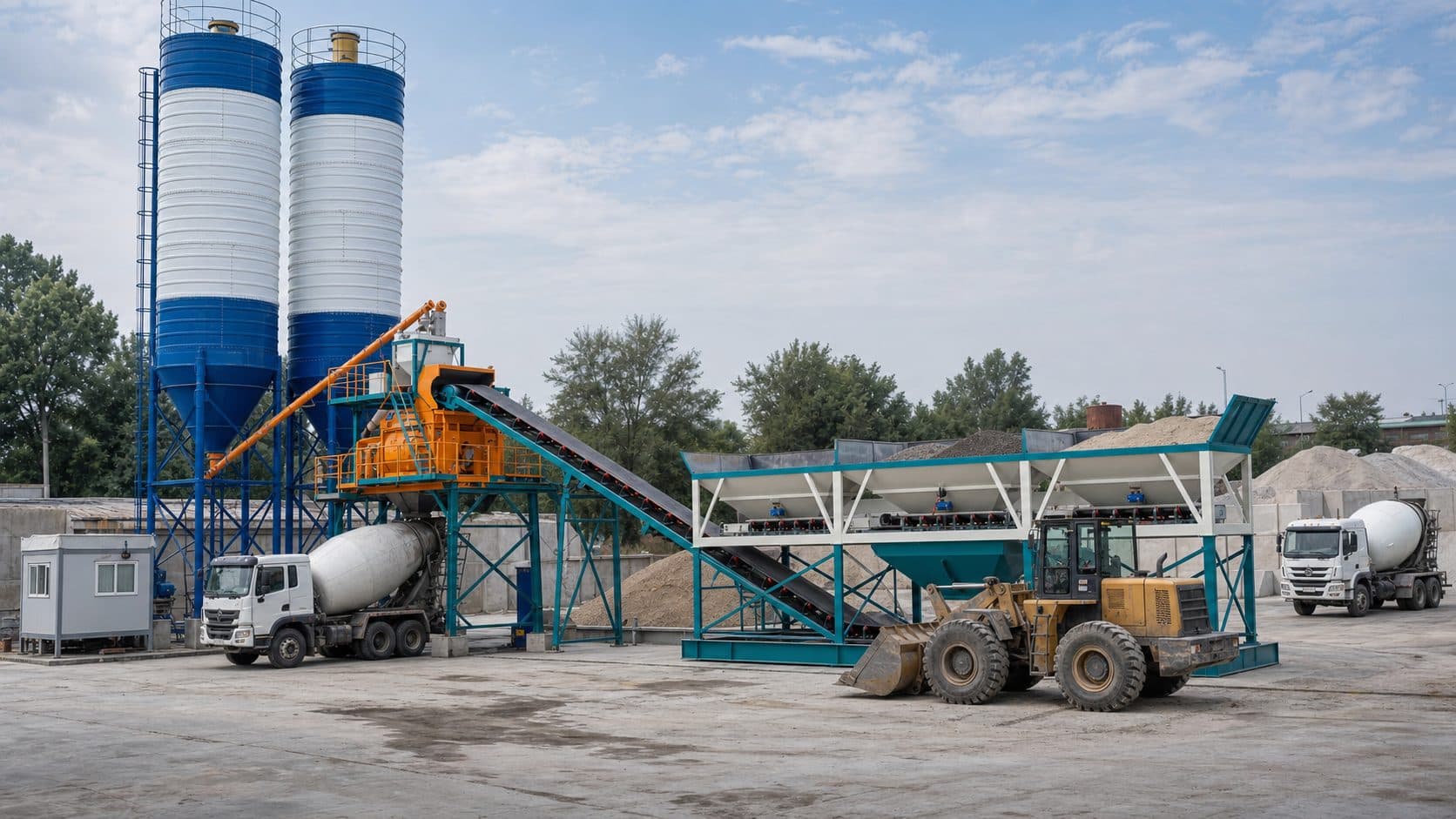
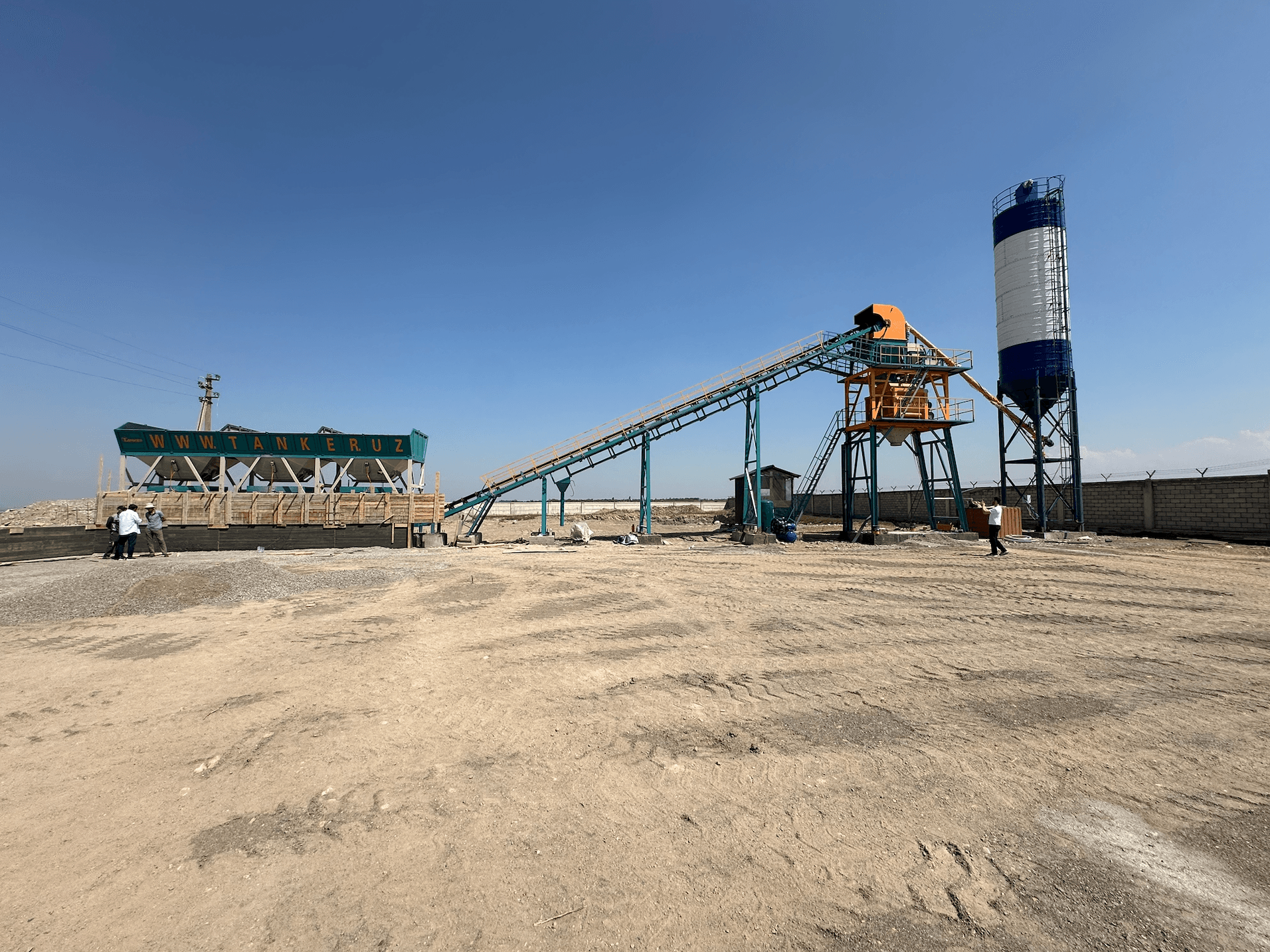
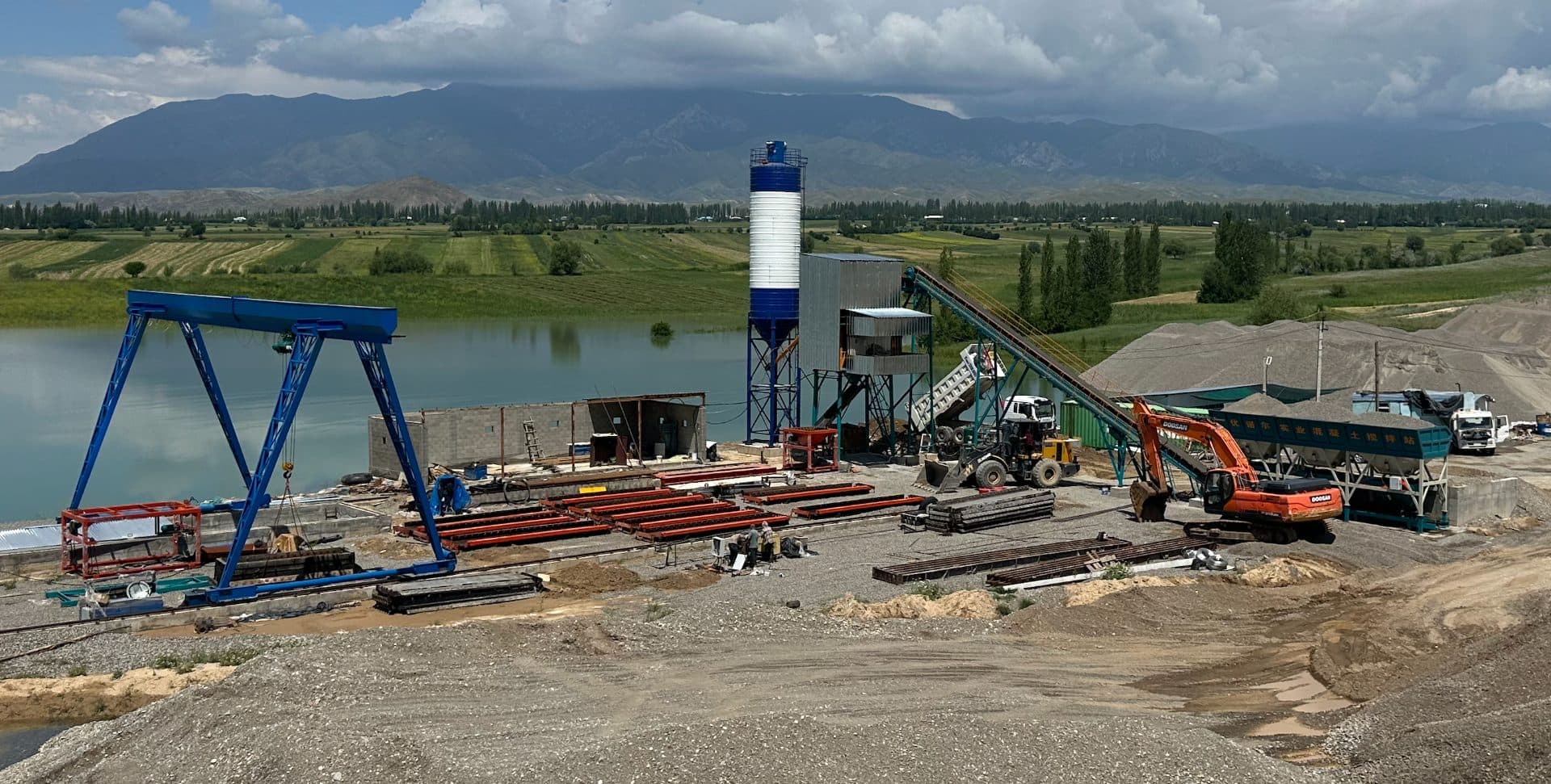
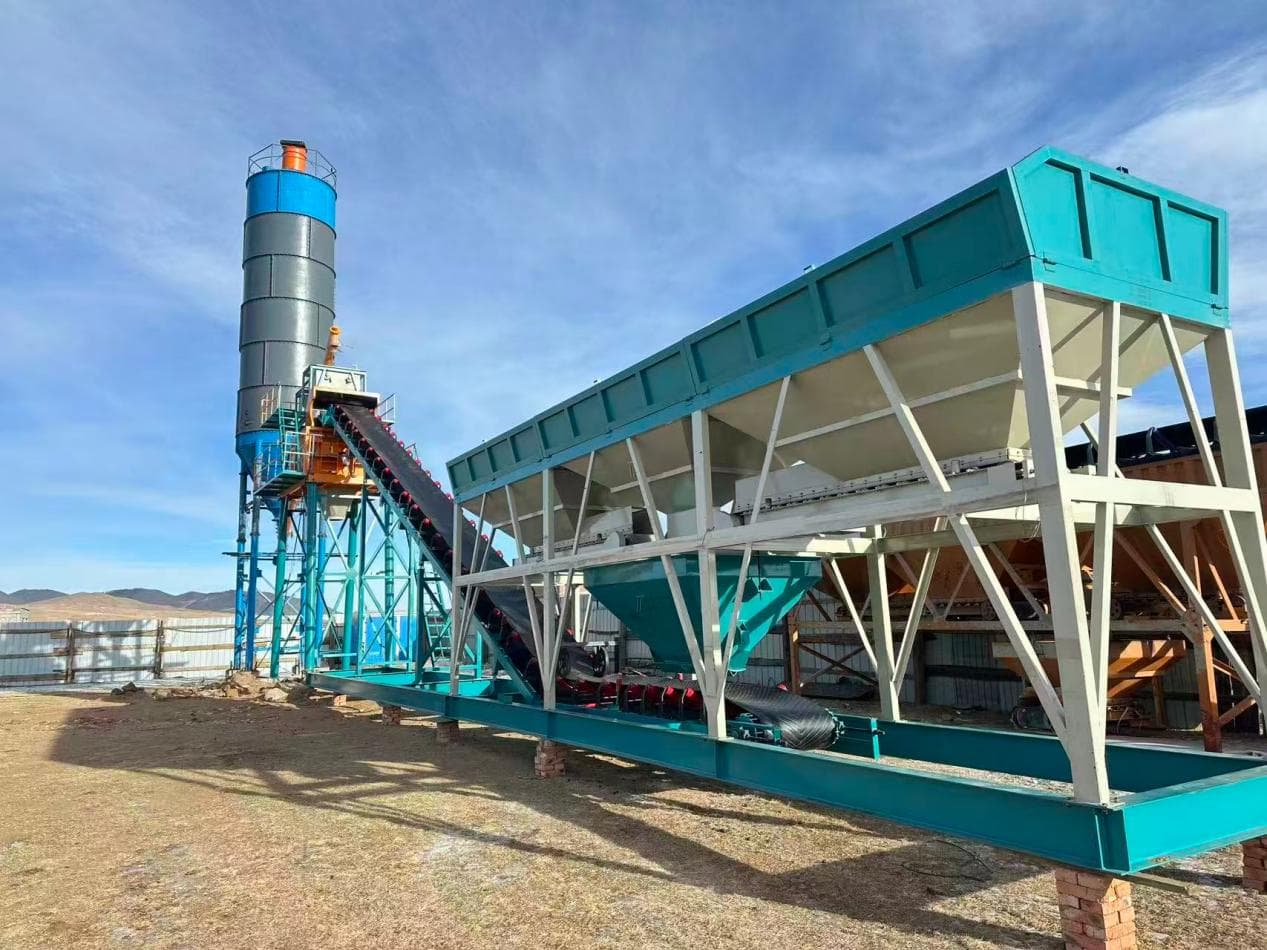
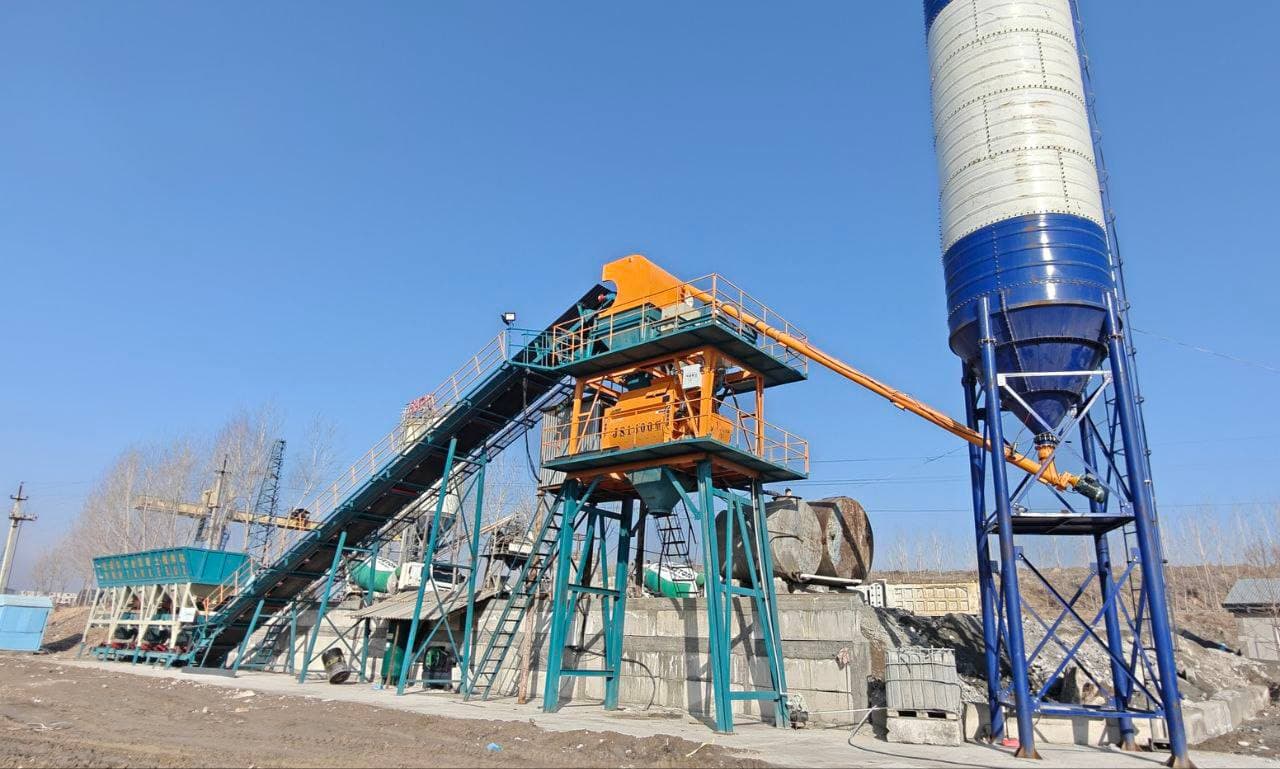
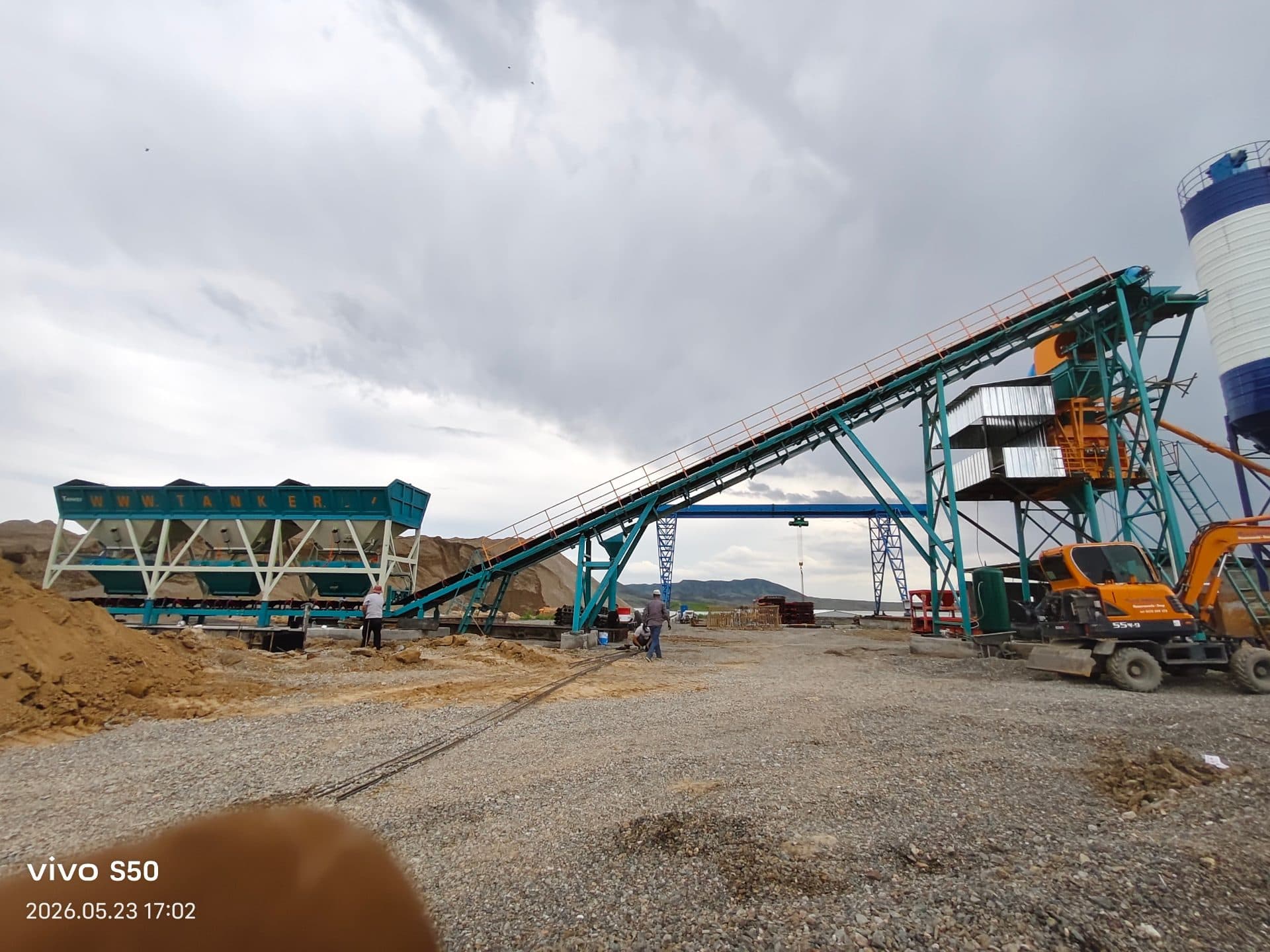
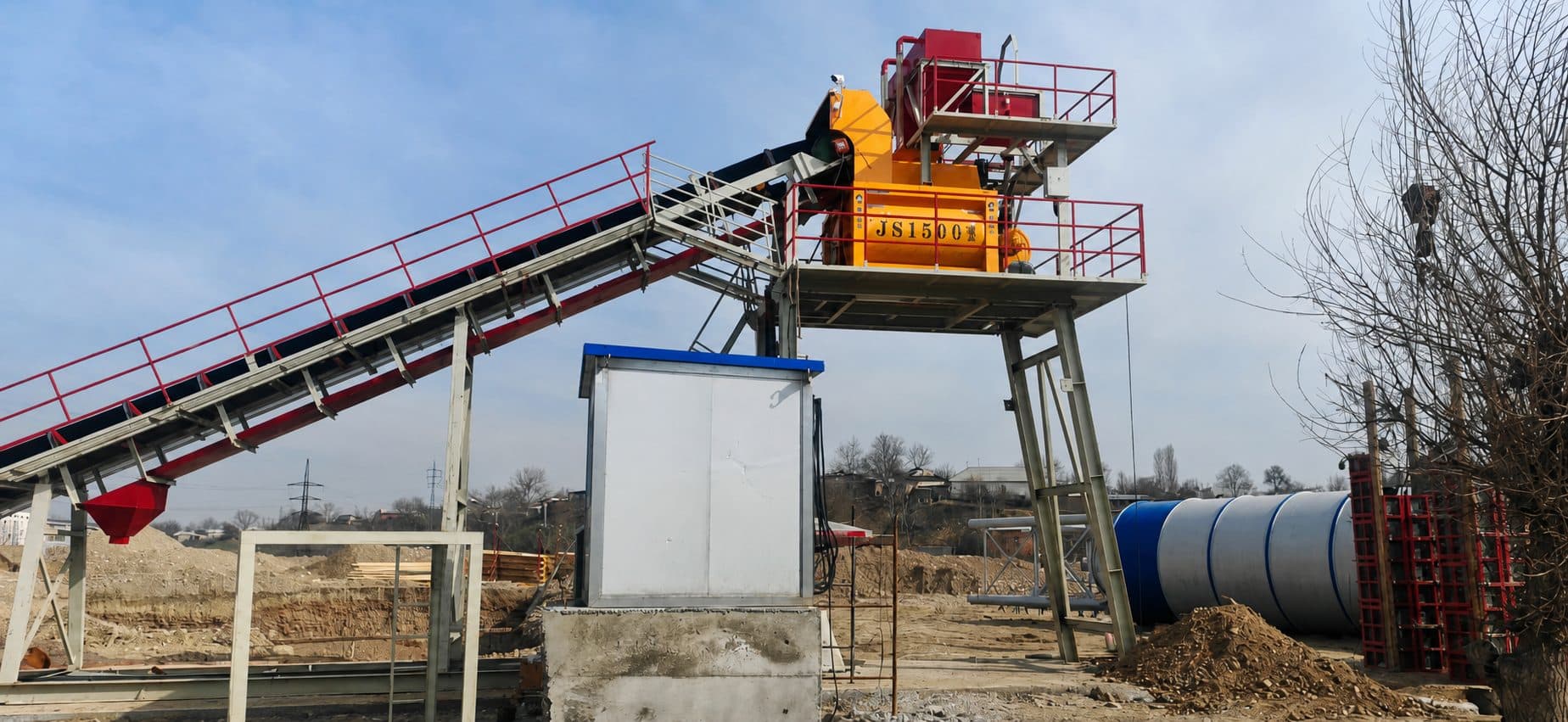
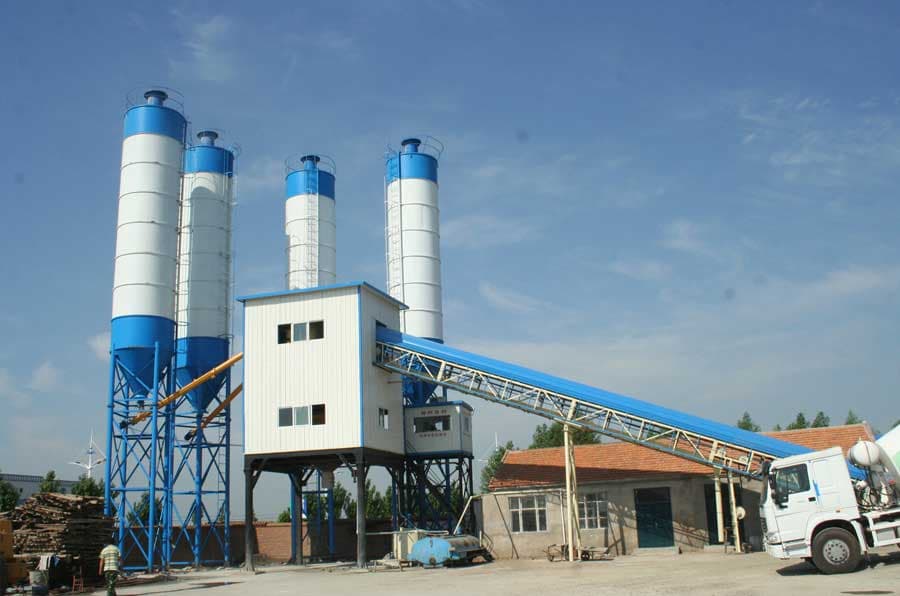
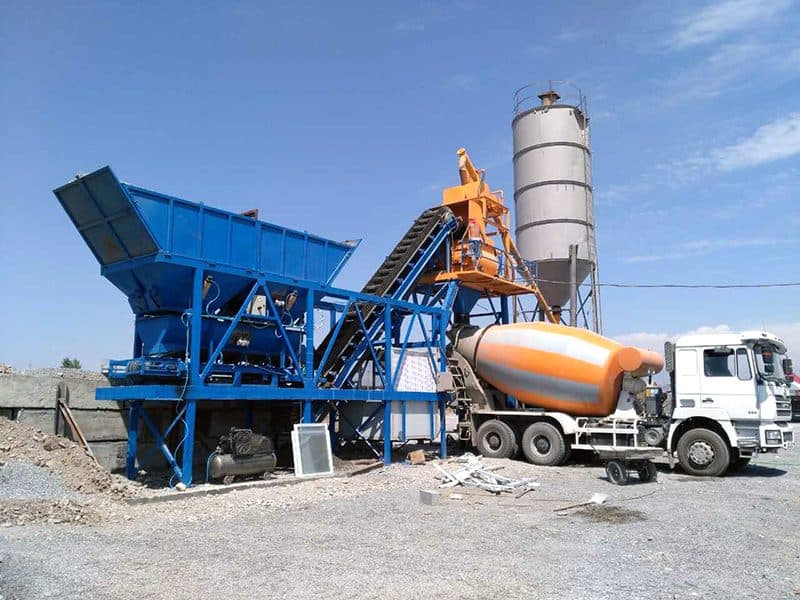
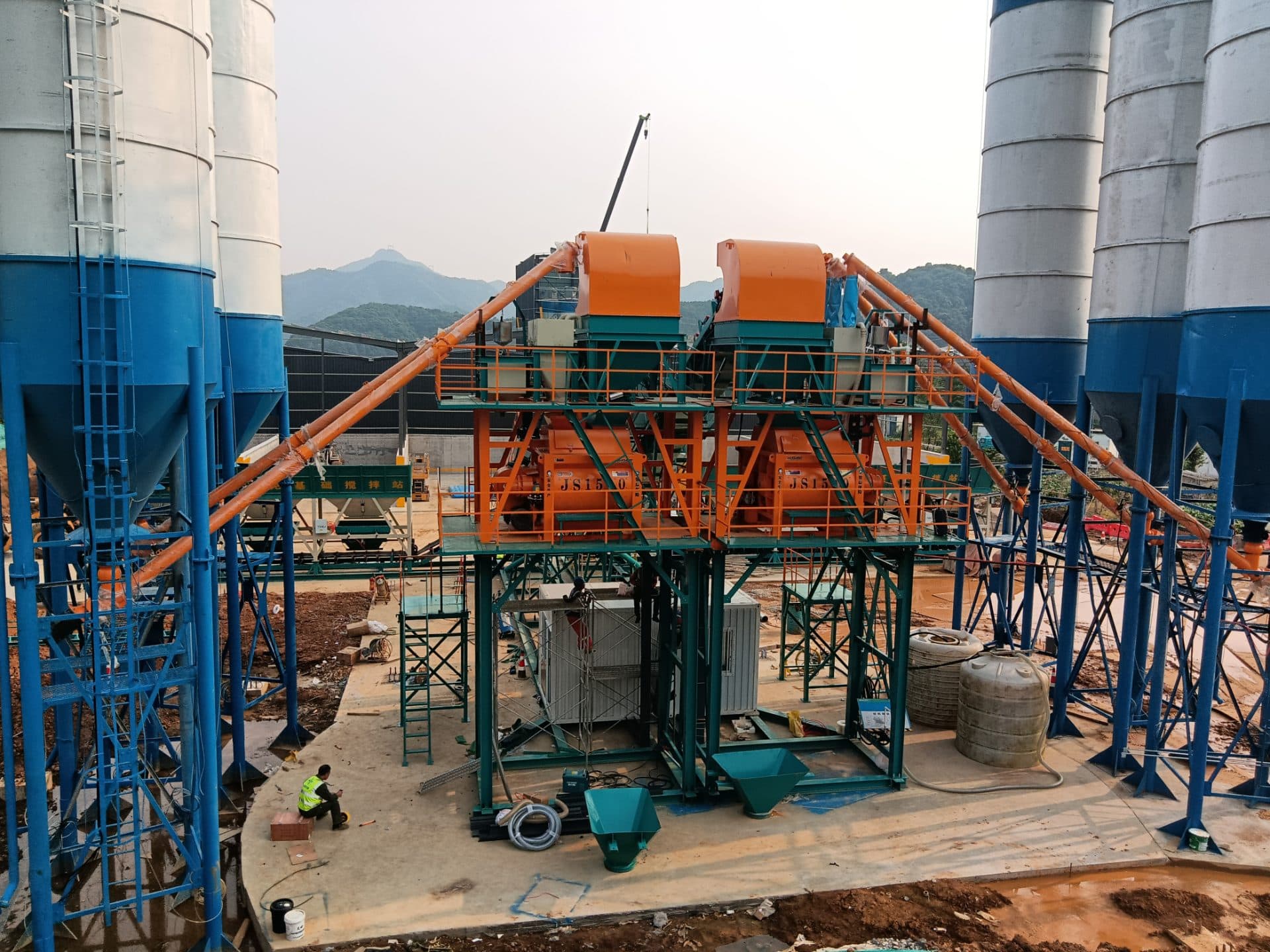
In a TANKER plant, the water scale, admixture circuits, aggregate-moisture input or probes and batch-reporting functions should match the production goal. These systems reproduce a laboratory mixture; they do not replace testing and quality control.
FAQ
Does a lower w/cm always produce stronger concrete?
Usually, when materials and production conditions are comparable. If the concrete cannot be properly placed, consolidated or cured, an extremely low w/cm may not deliver the expected result.
Does high slump always mean high water content?
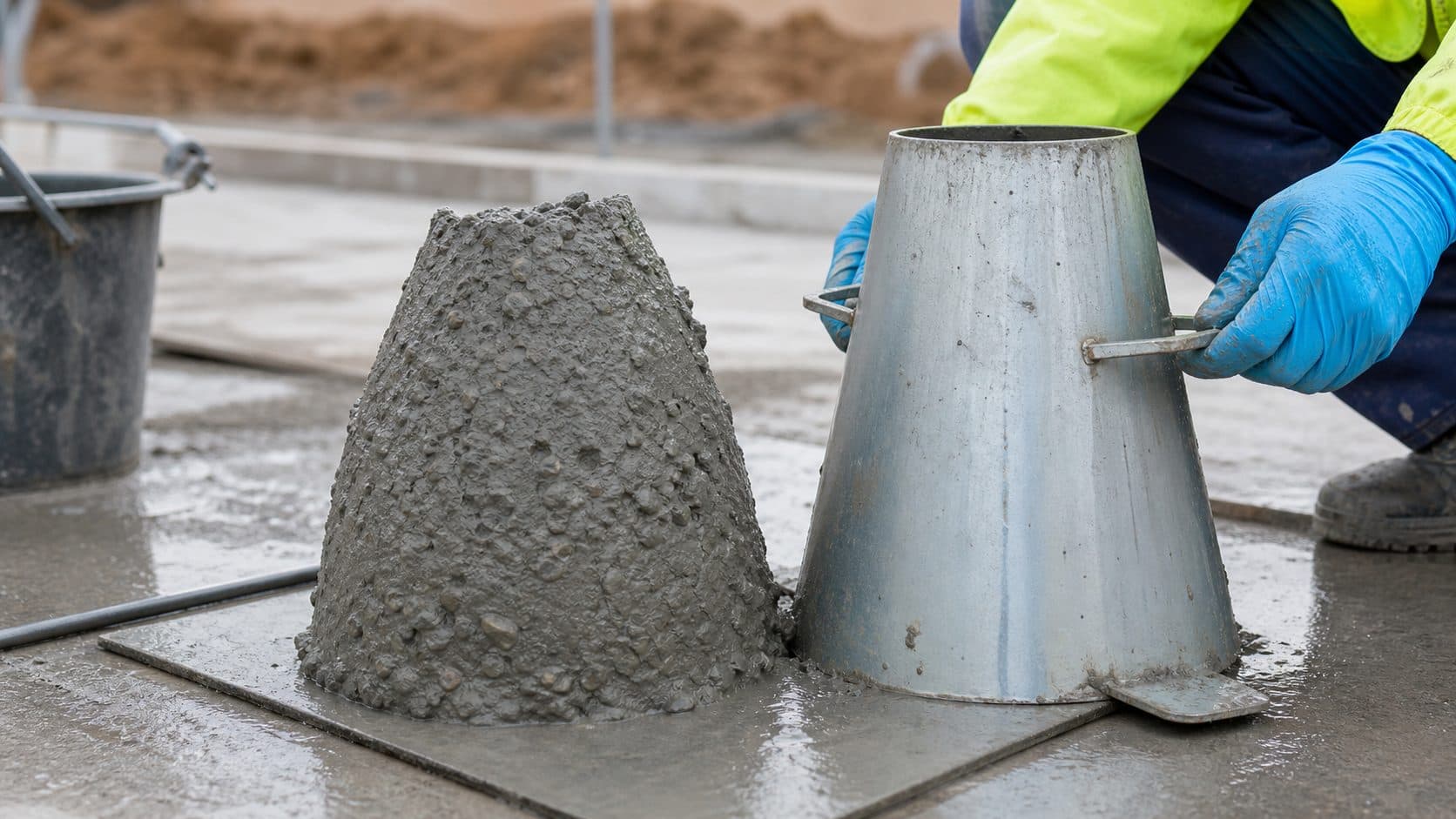
No. Modern water-reducing admixtures can increase workability without increasing water. Slump is not a direct measurement of water content.
Can water be added at the jobsite?
Only within the approved total-water limit, with the quantity recorded and the concrete remixed as required. Uncontrolled water changes w/cm and the concrete properties.
Conclusion
The water–cement or water-to-cementitious-materials ratio is one of the principal factors governing concrete strength. Correct control combines the water-dosing system with aggregate moisture, liquid admixtures, field adjustments, trial batches and a coordinated quality program.
Inquiry: For water and admixture-system selection, provide the concrete classes, workability range, aggregate types, expected moisture variation and laboratory-control process.