Vertical, Bolted-Sectional or Horizontal Cement Silo: Which Should You Choose?
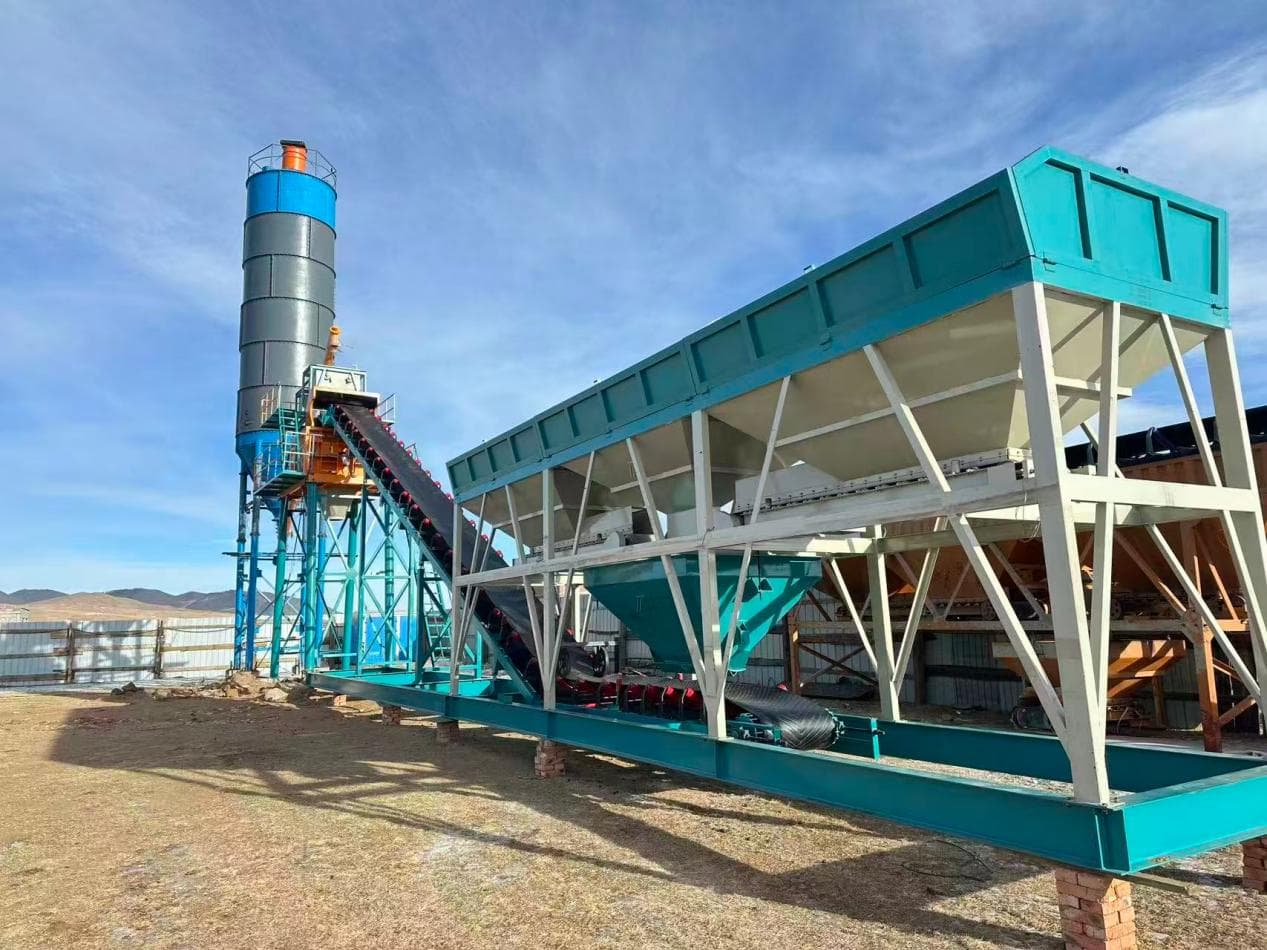
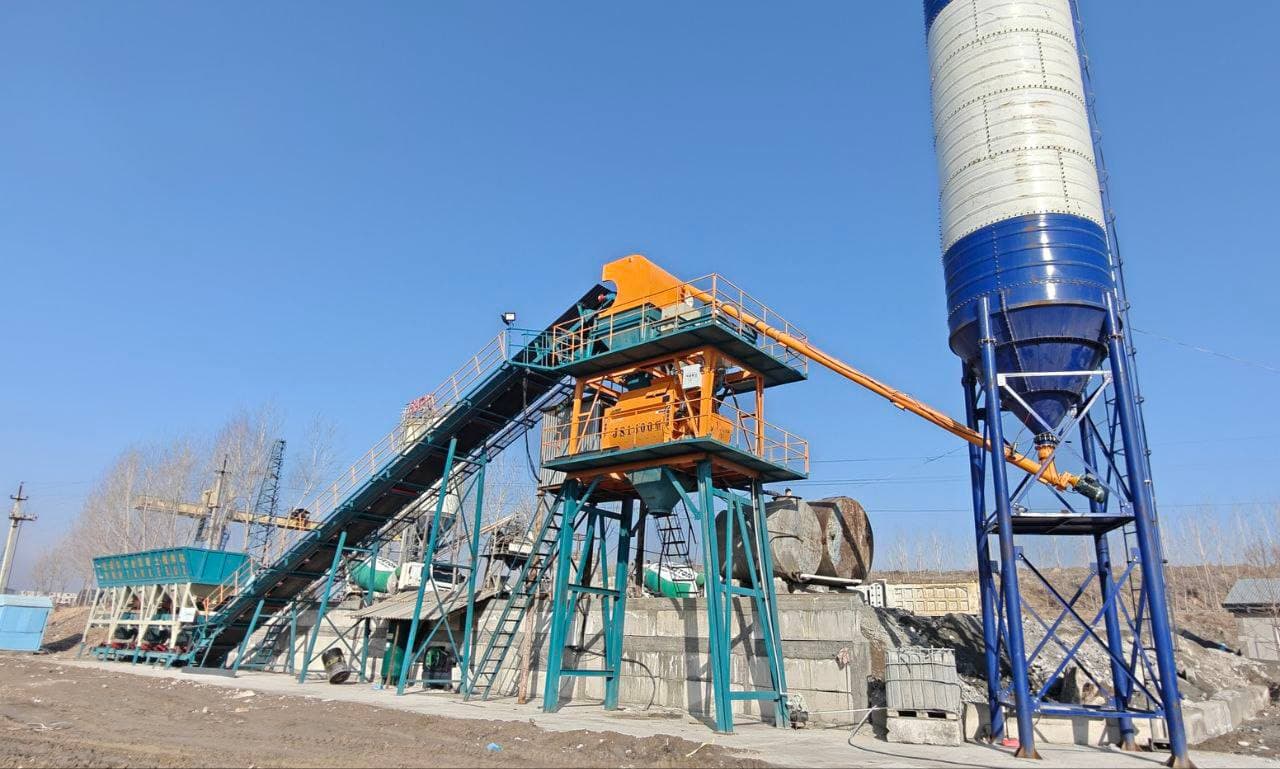
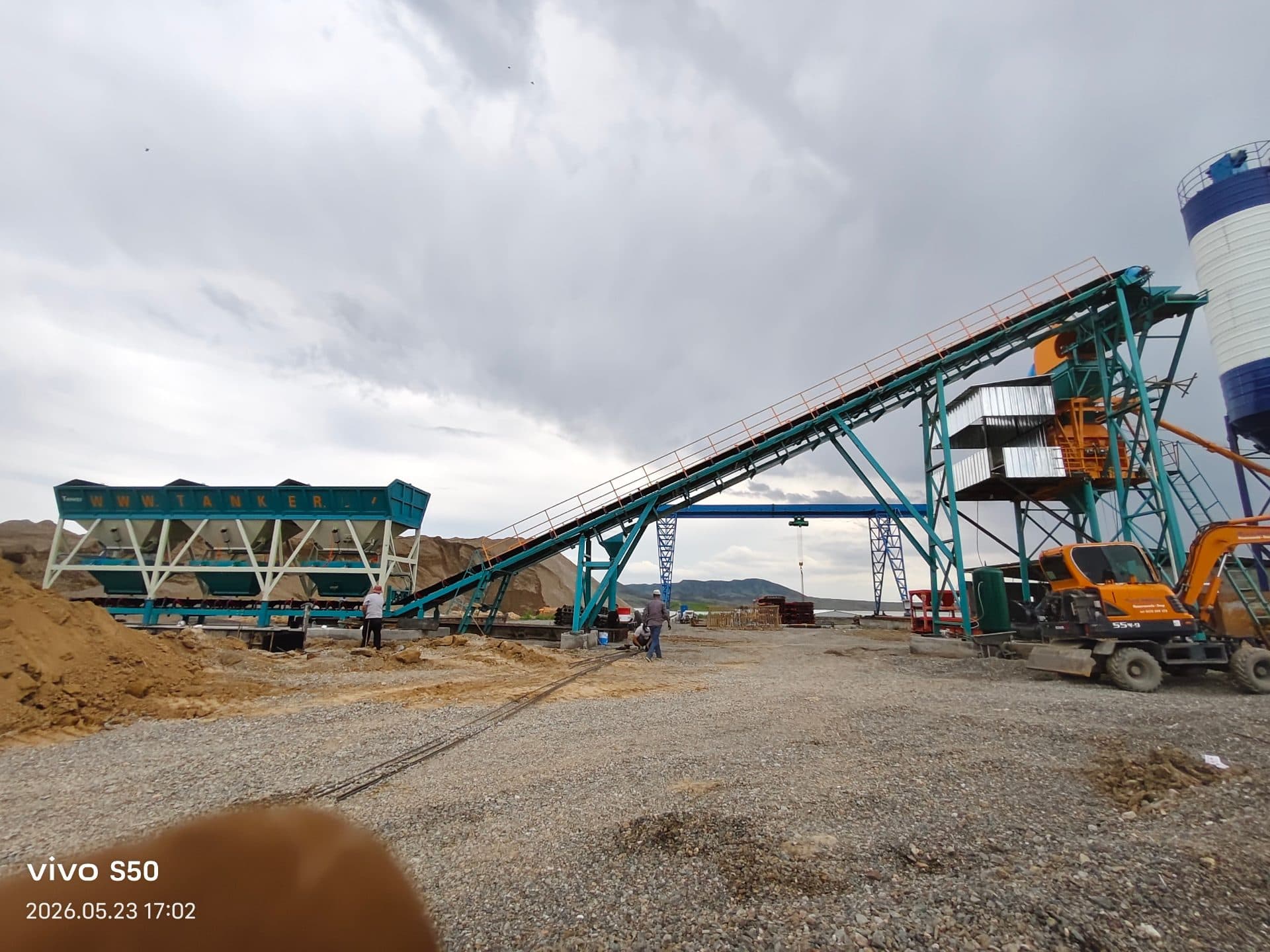
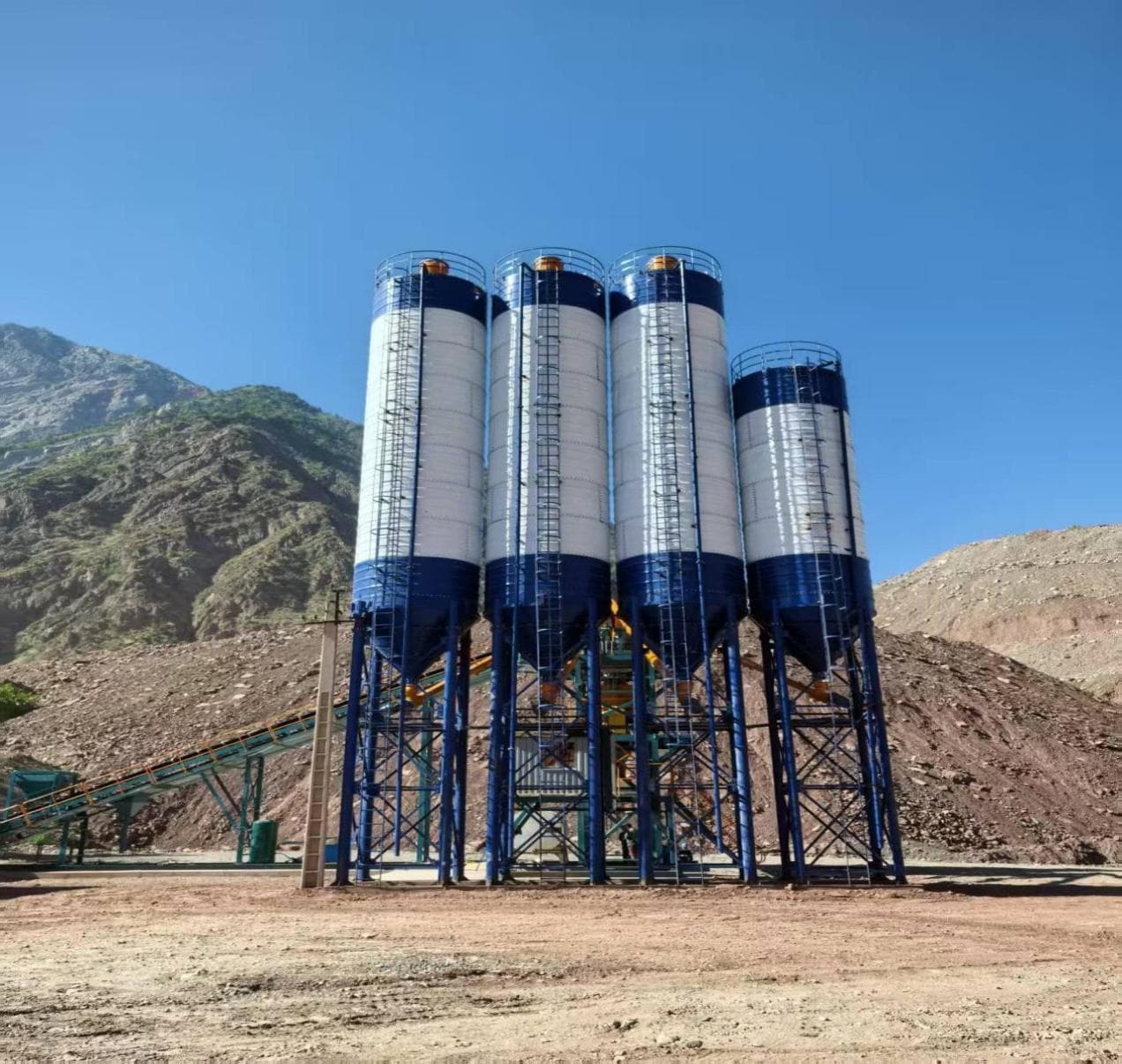
Cement-silo selection should not be based on tonnage alone. Transport limits, site geology, possible plant relocation, cement-delivery schedule and maintenance access must be evaluated together. TANKER offers three main formats: vertical welded, bolted-sectional and horizontal silos.
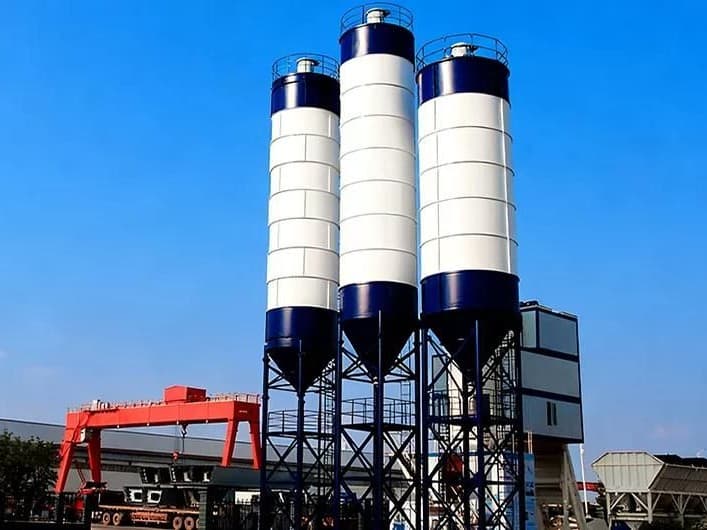
Vertical welded silo
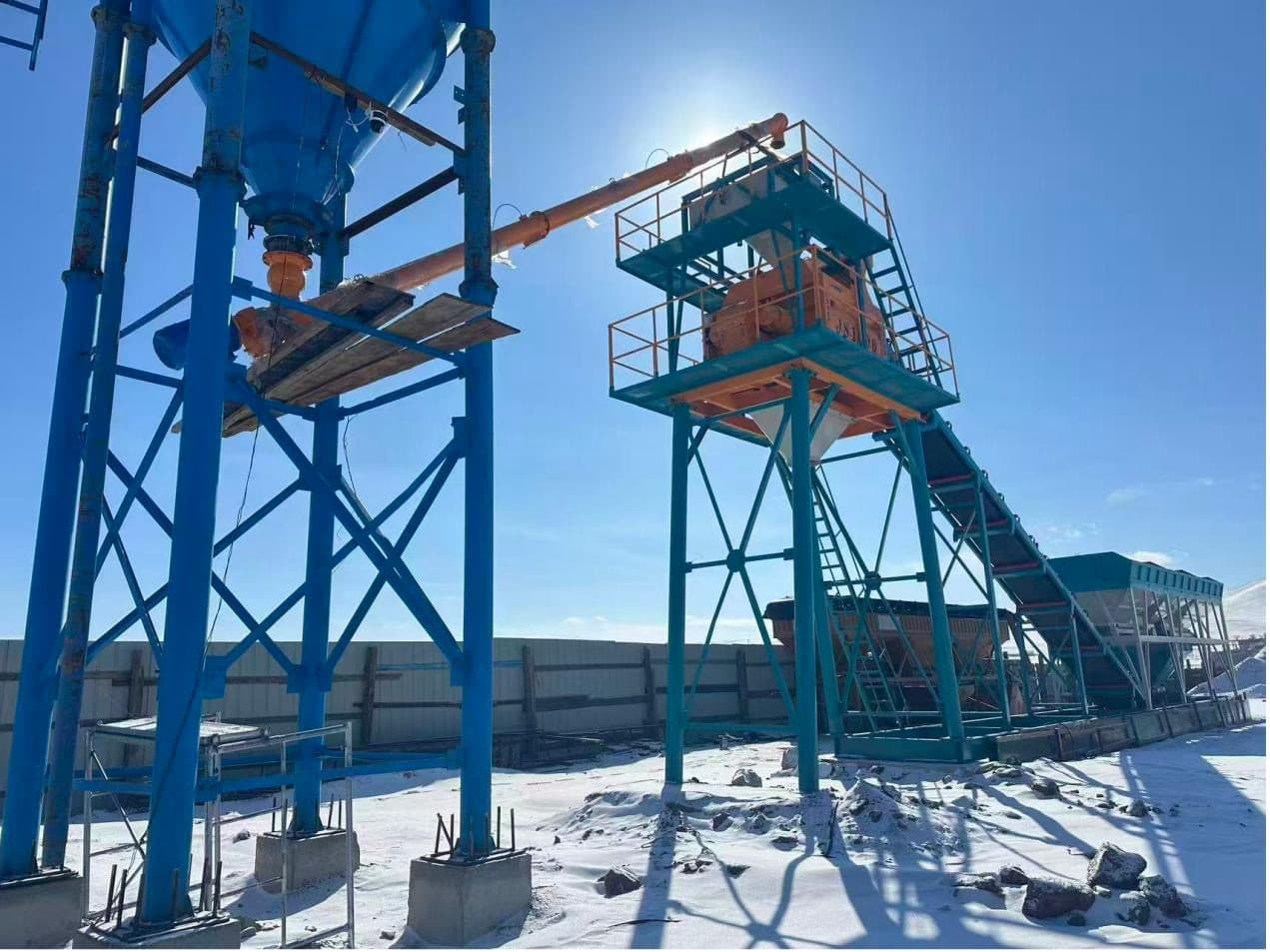
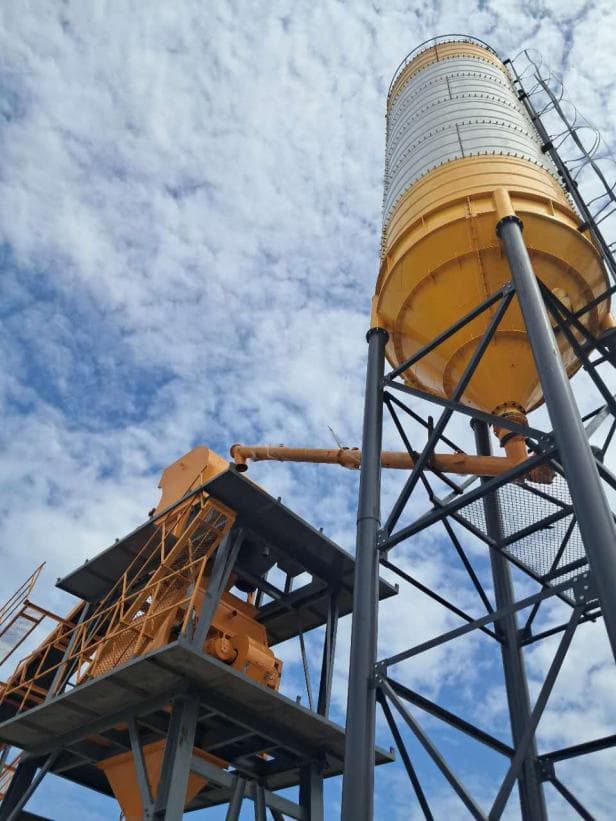
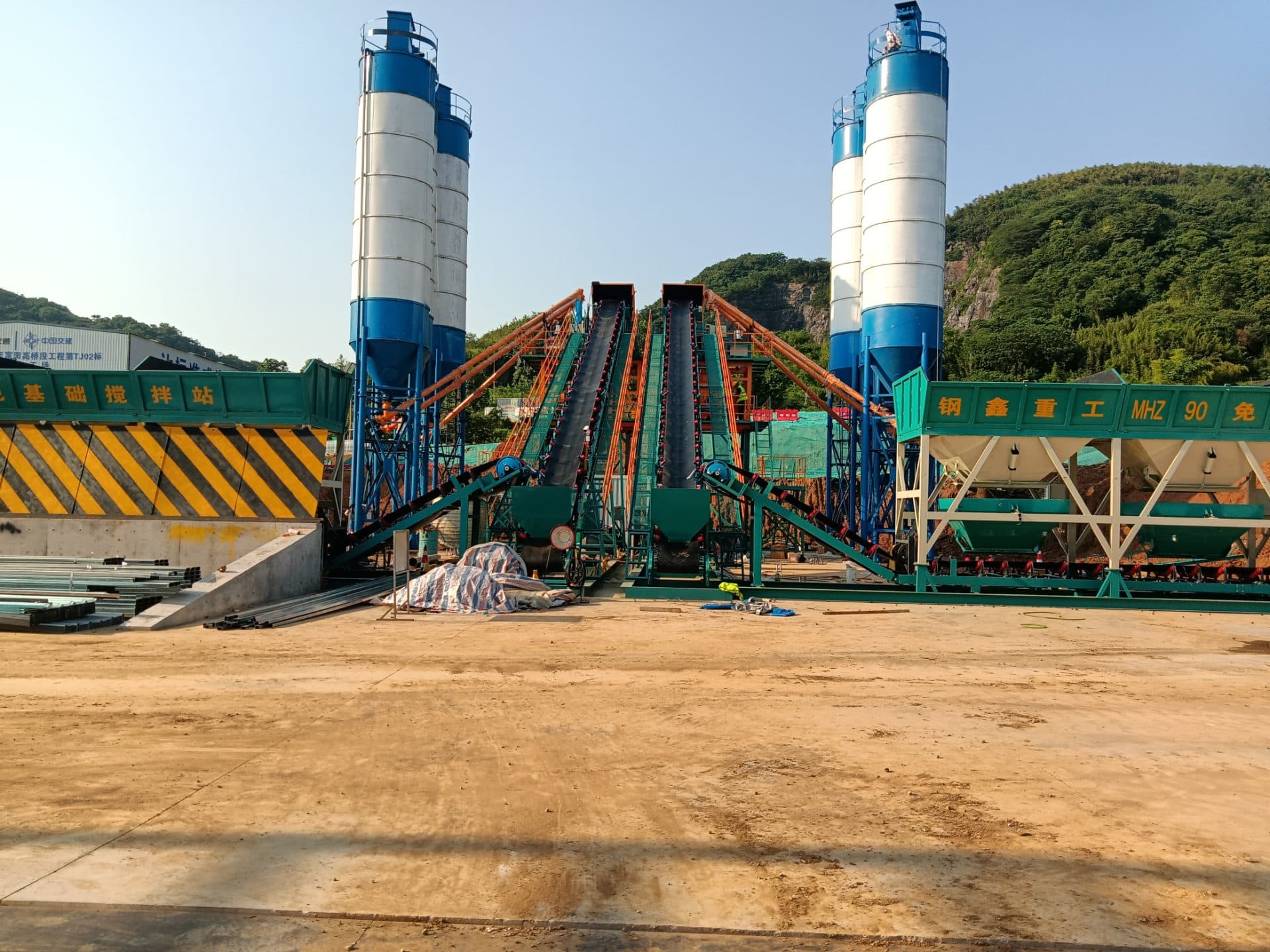
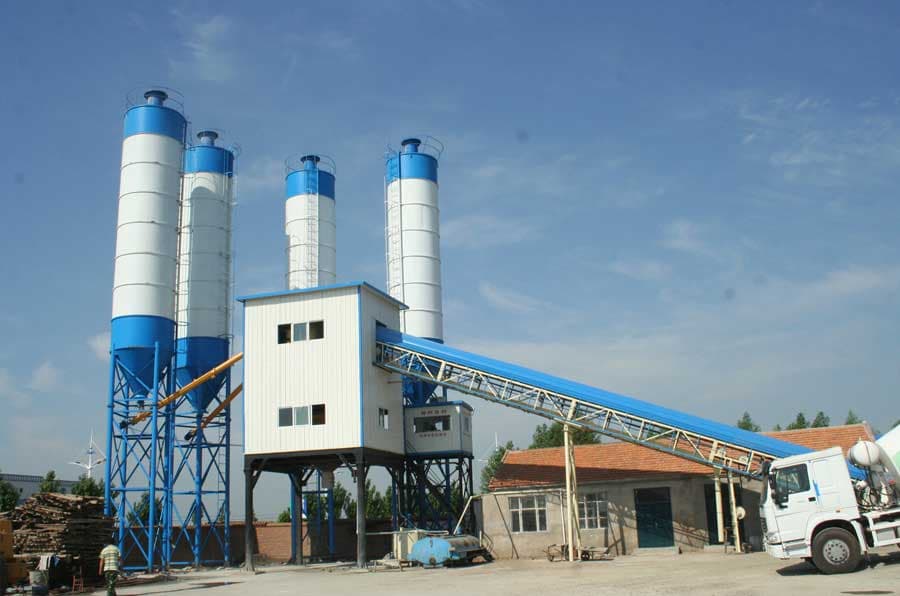
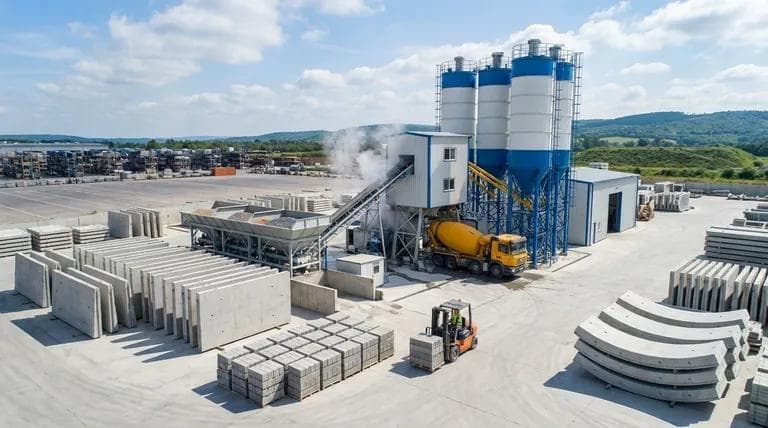
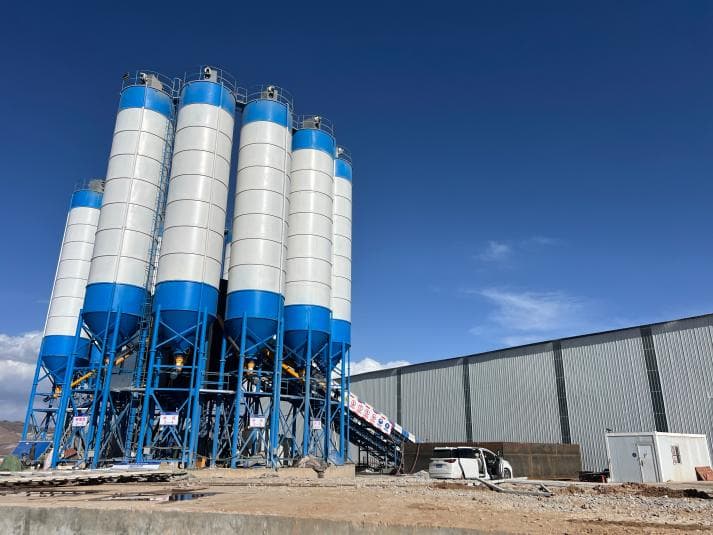
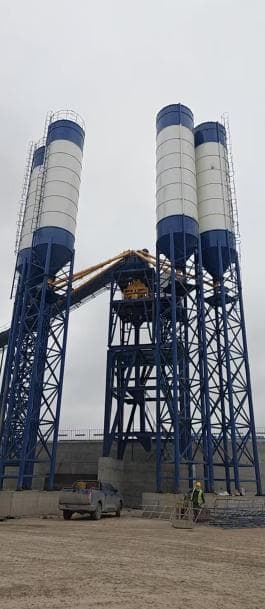
The welded body is fabricated at the factory and delivered to site as a large unit. Installation can be faster, but the body diameter and height must suit the transport route. The 50–200 t range on TANKER pages represents project options; final geometry and useful capacity depend on cement bulk density and structural design. This type is convenient for permanent plants where oversized transport is permitted.
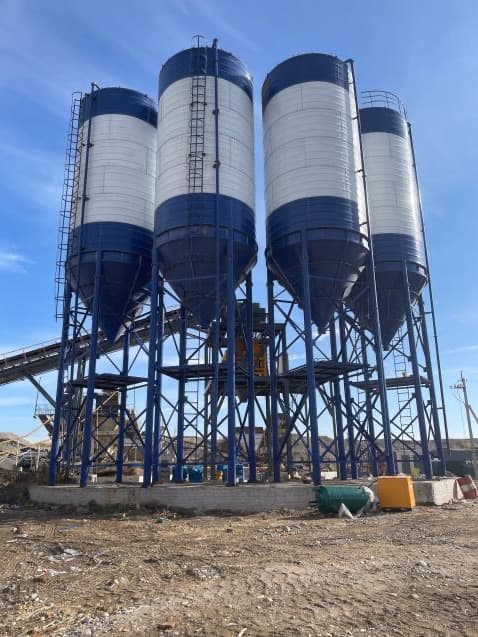
Bolted-sectional silo
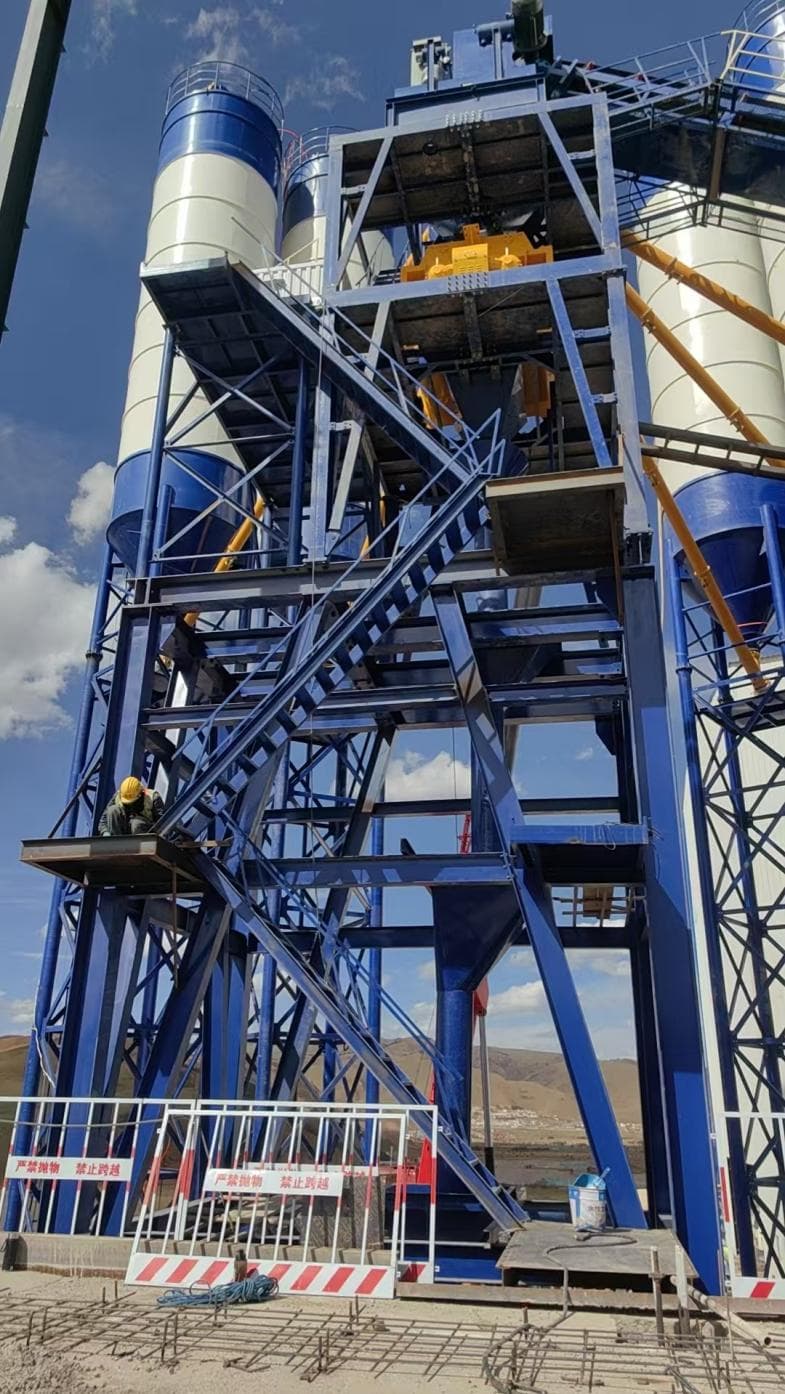
The body is divided into panels and assembled with bolts on site. It is easier to ship in containers or conventional loads, especially on long export routes. In return, installation needs more time, lifting equipment, careful sealing and inspection of bolted joints. TANKER options cover 50–200 t, but final selection follows foundation and load calculations.
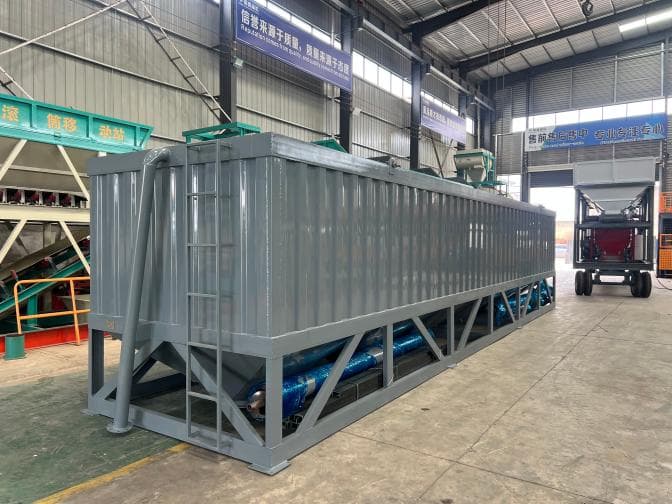
Horizontal silo
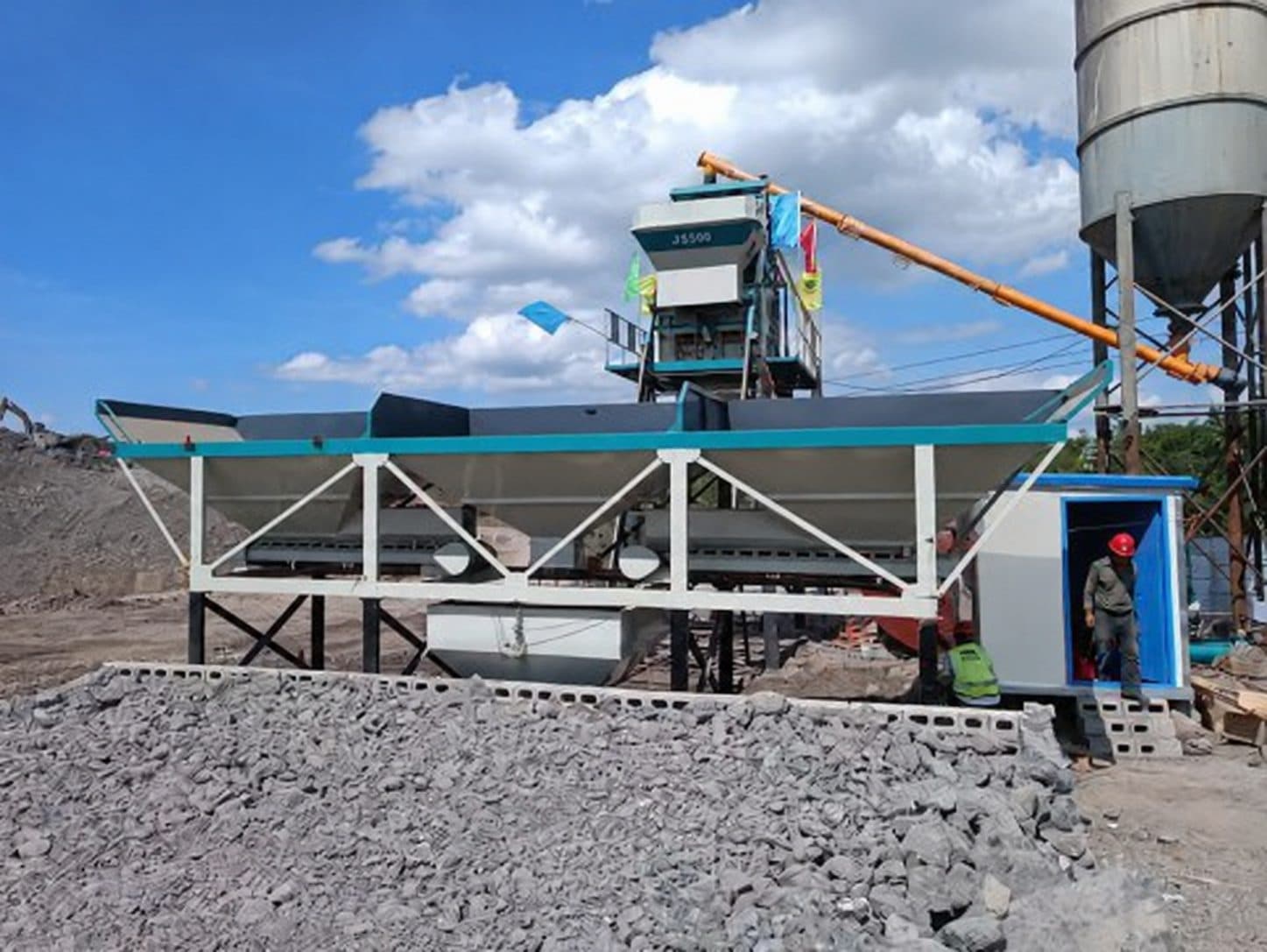
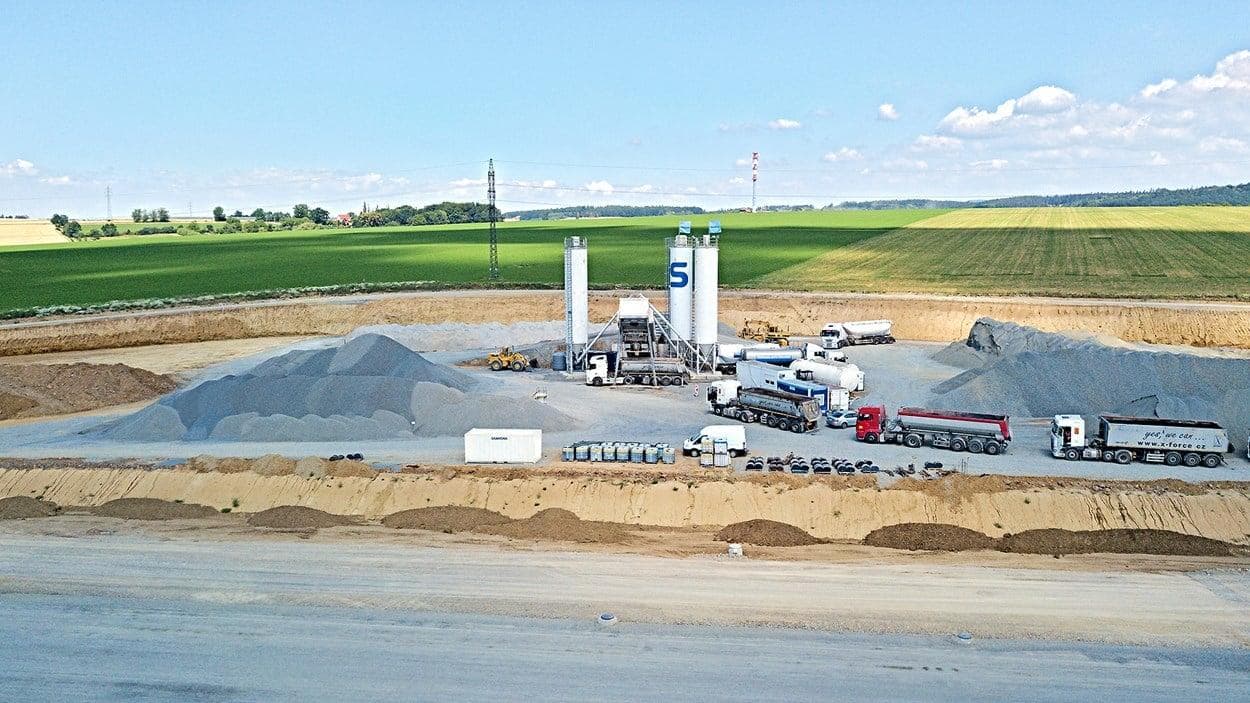
A horizontal silo has a lower profile and can suit temporary sites or locations where a tall vertical silo is difficult to install. TANKER's 50–150 t options use project-specific filling, aeration and discharge systems. It is not foundation-free: bearing area, load distribution and anchoring still require verification.
Essential equipment for every type
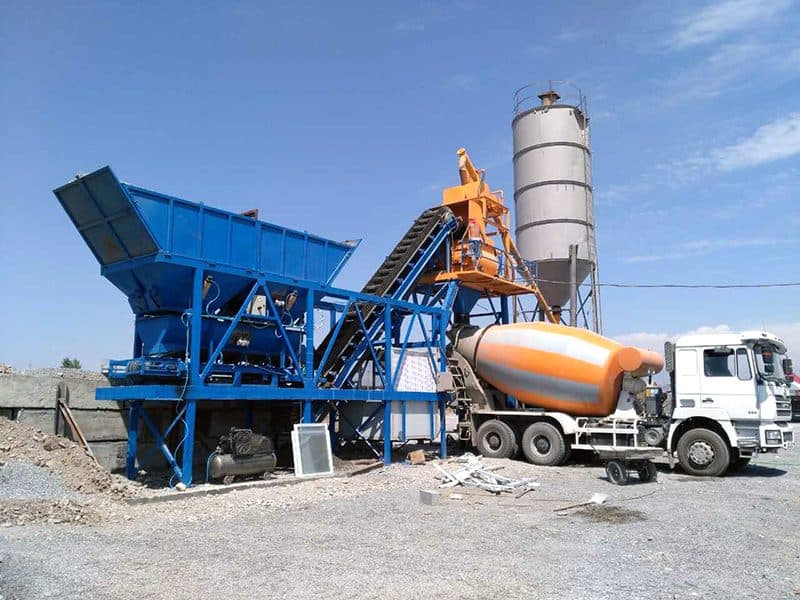
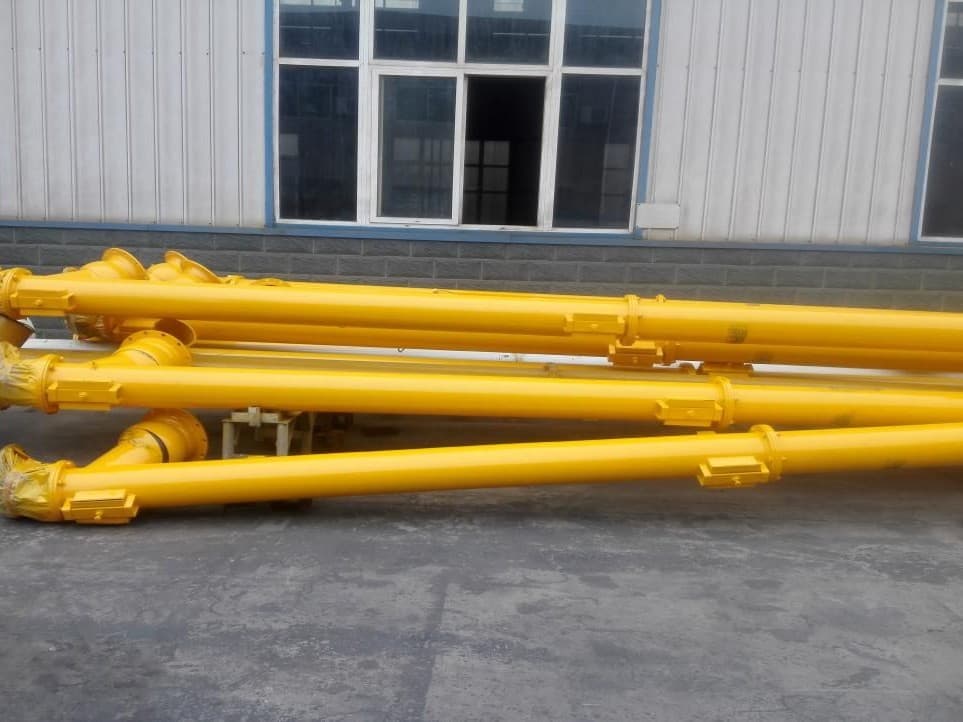
For safe operation, consider a high-level sensor, pressure-protection device, filter, aeration or vibration system, filling pipe, access ladder and platform. Cement is transferred to the batching plant by an LSY-type screw conveyor; its diameter, length and incline are calculated separately.
Which type should you choose?
For a permanent plant with convenient transport, a vertical welded silo can be the simplest solution. For long-distance export or container logistics, a bolted silo is often more practical. When low height, temporary deployment or easier relocation is the priority, evaluate a horizontal silo. Make the final decision from the combined cost and requirements of transport, assembly, foundations and cement reserve—not tonnage alone.
Comparison table
| Criterion | Vertical welded | Bolted-sectional | Horizontal |
|---|---|---|---|
| TANKER range | 50–200 t | 50–200 t | 50–150 t |
| Transport | Large body; route must be checked | Panels suitable for container shipping | Low-profile unit transport |
| Site work | Relatively quick assembly | More bolting and sealing work | Prepare supports and connections on site |
| Foundation | Separate calculation | Separate calculation | Bearing-area and anchoring calculation |
| Best suited to | Permanent plant | Long export route and container logistics | Low-height or temporary site |
← suring →