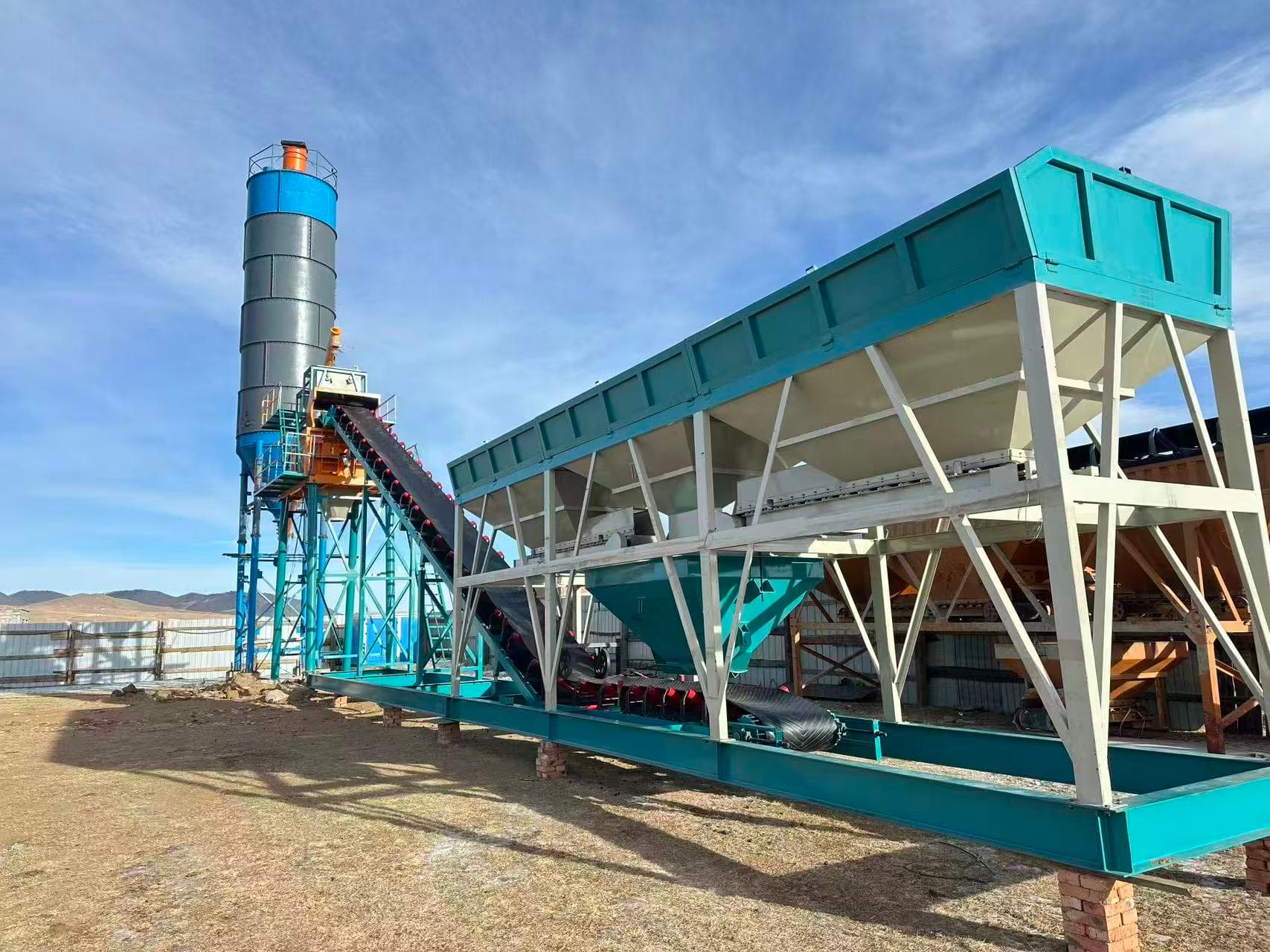
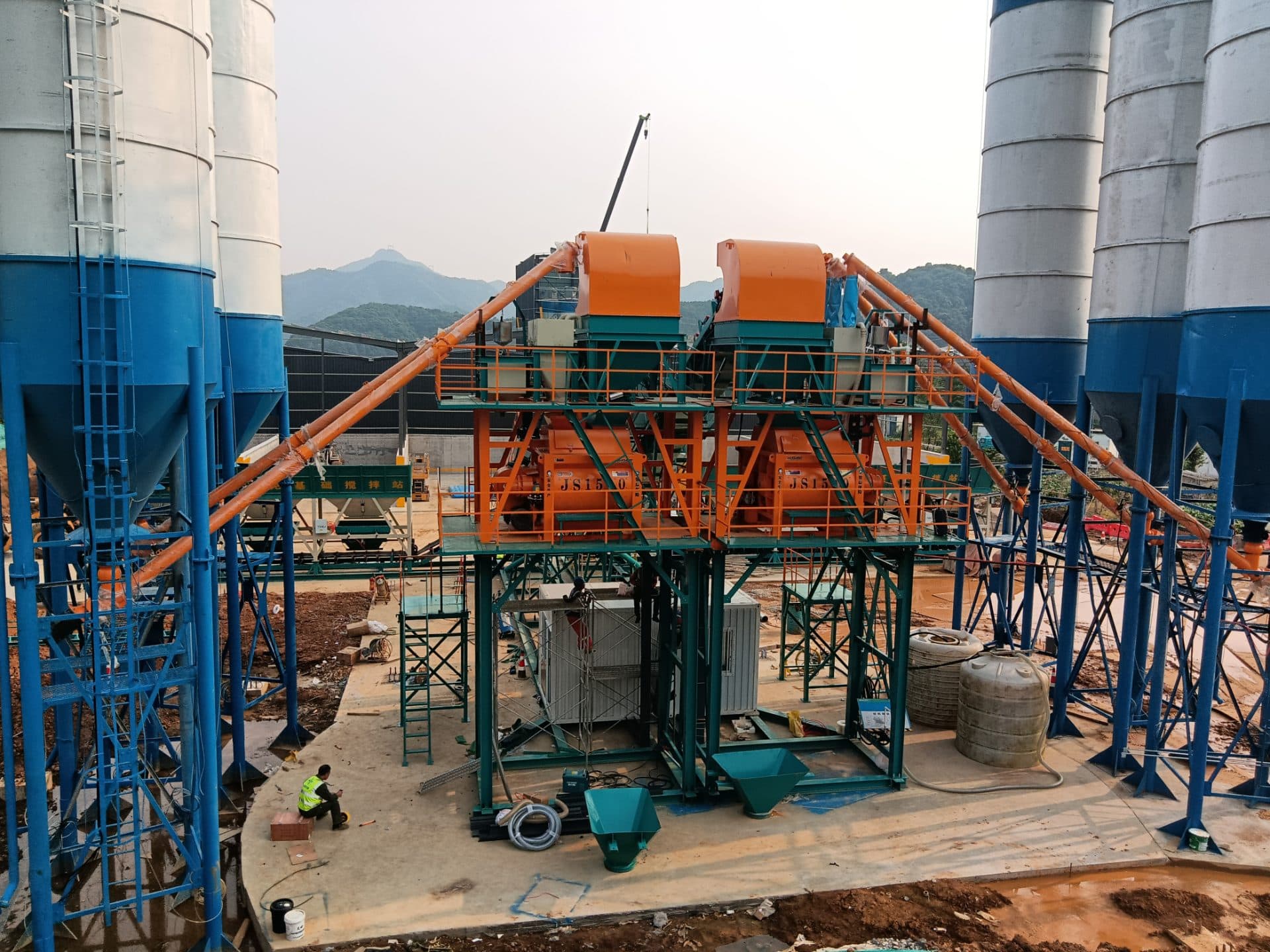
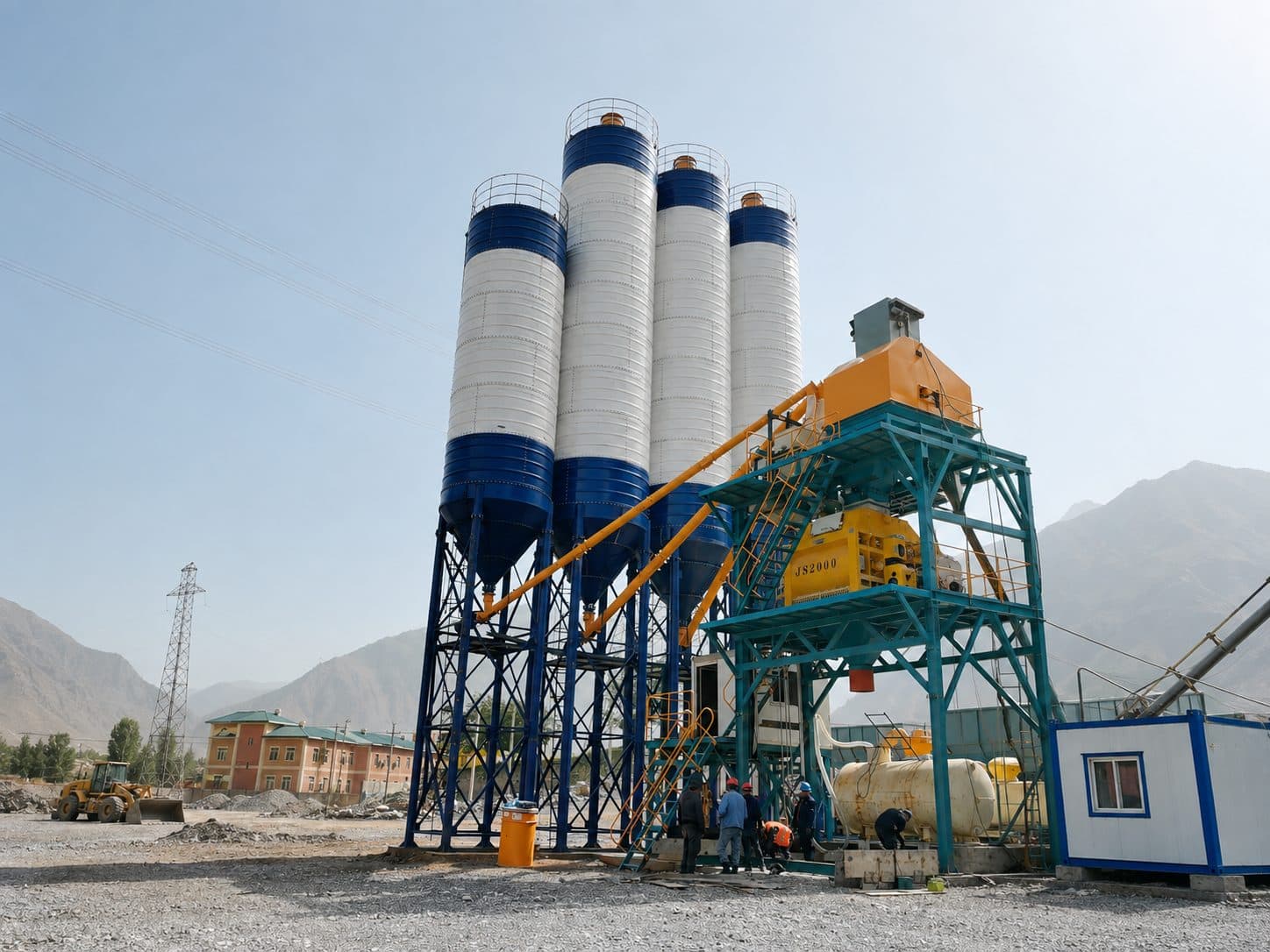
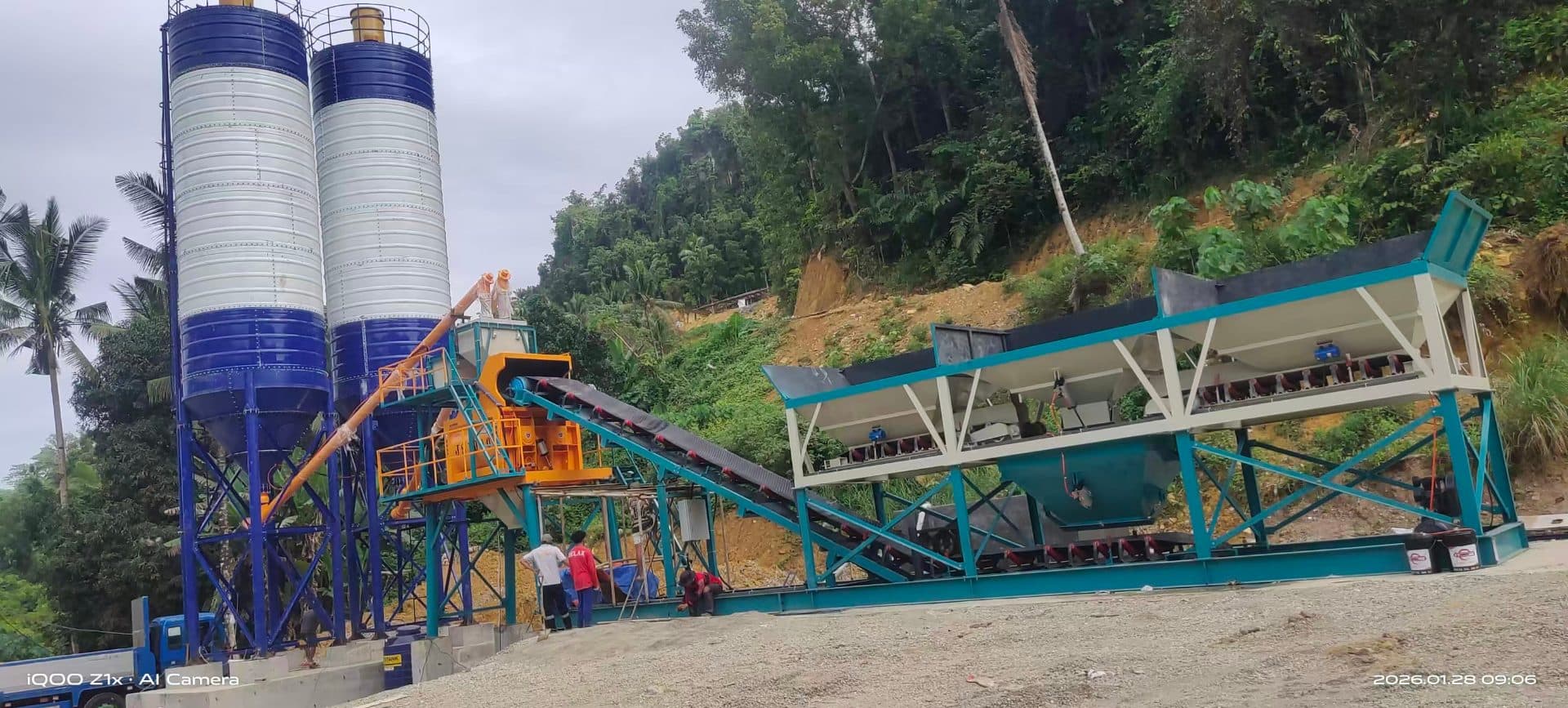
How to Choose a 40, 60, 90 or 110 m³/h Concrete Batching Plant
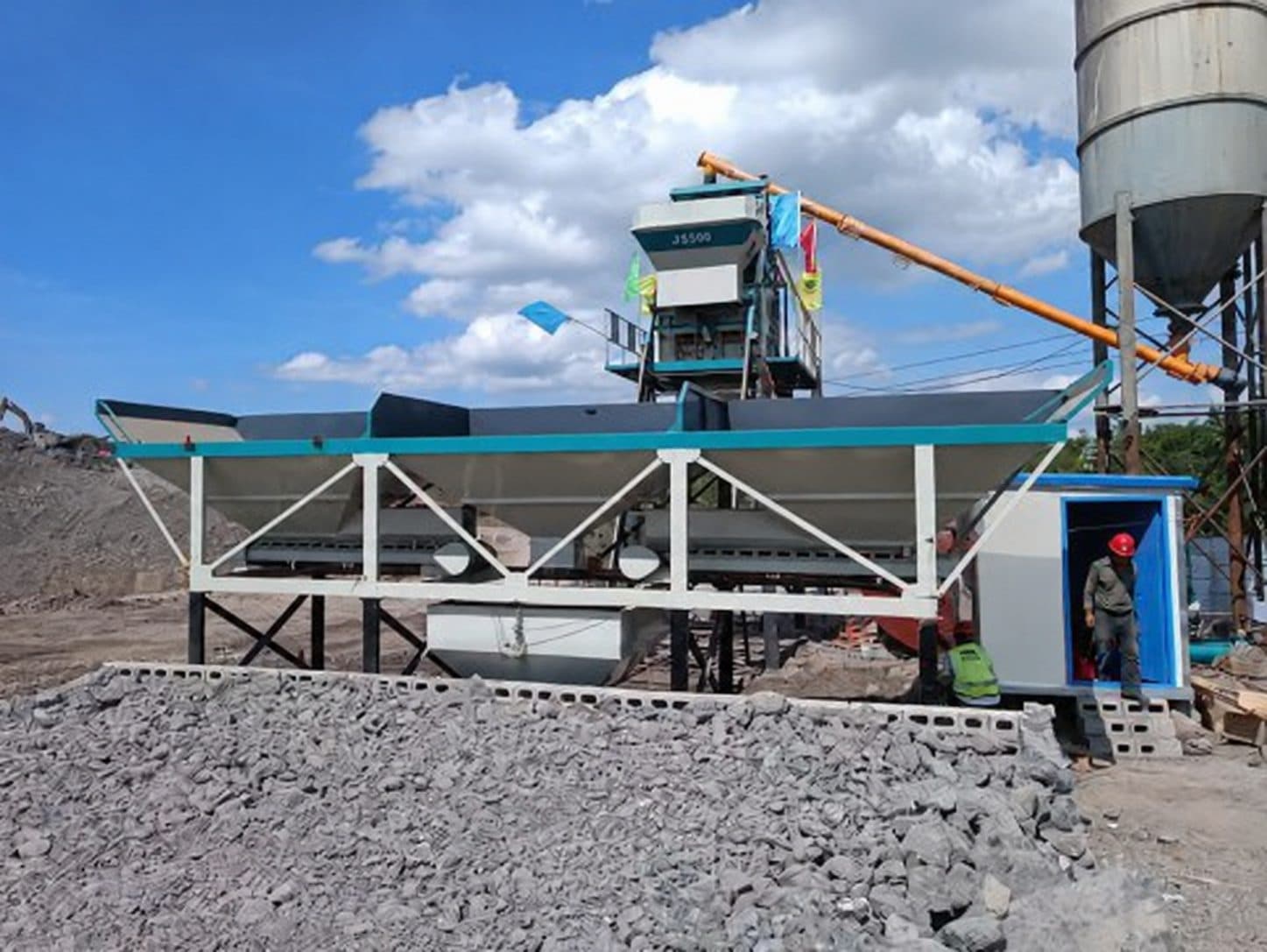
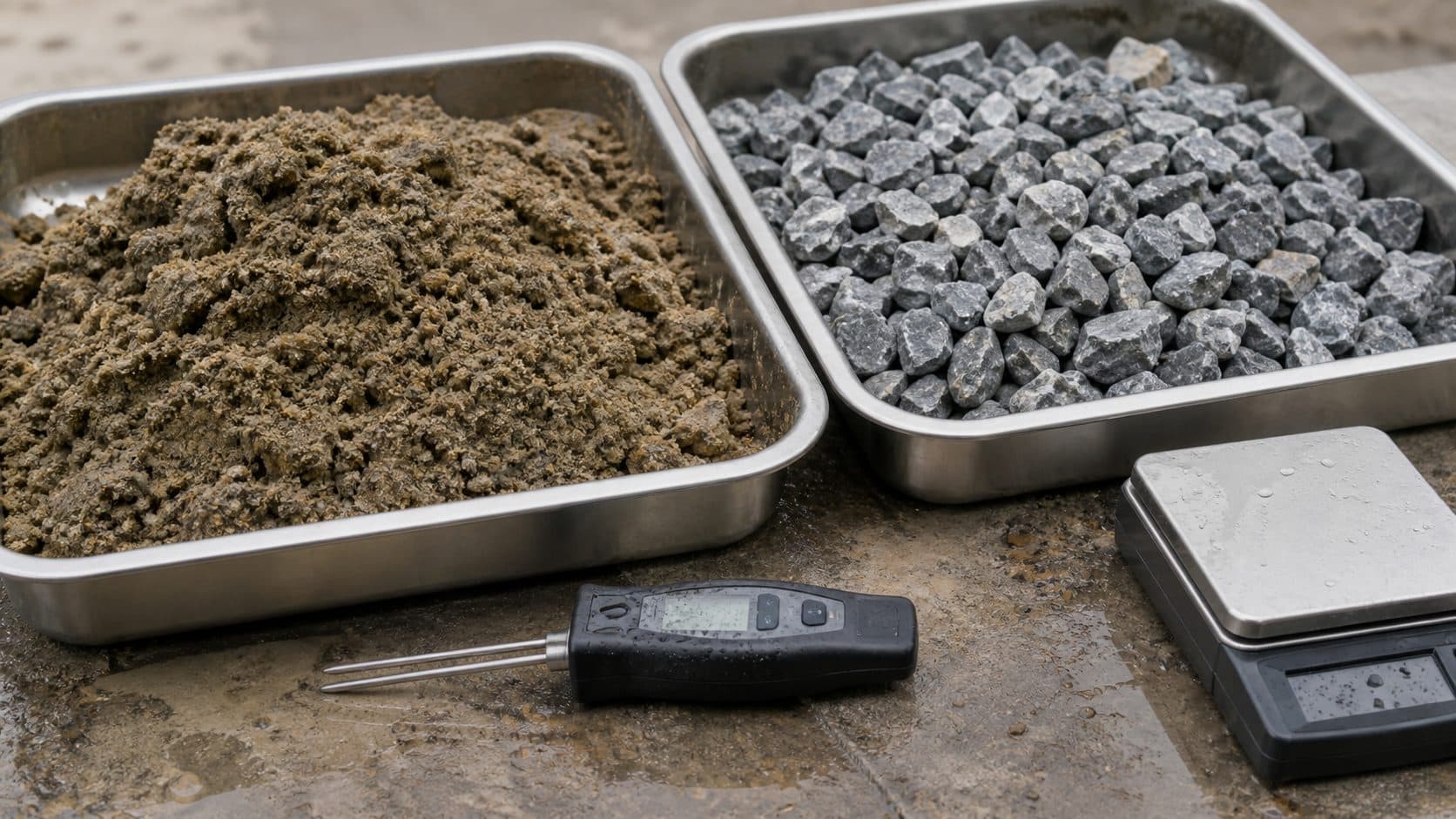
A common selection mistake is treating the number in a batching-plant model as the output the site will receive in normal operation. Rated m³/h is based on ideal cycle conditions. Actual output is affected by the mix design, mixing time, aggregate moisture, screw-conveyor delivery, truck loading sequence and maintenance stops.
1. Determine daily demand
Start with the heaviest concrete-pouring day. Divide the total required volume by the hours during which the plant will actually produce. Do not count breaks, recipe changes, laboratory checks or transport delays as productive hours. Record both the average requirement and the peak demand over several hours.
2. Check the concrete delivery system
Even if the plant can produce fast enough, the complete system cannot reach that rate when there are too few mixer trucks, road access is slow or the concrete pump has a lower flow. A ready-mix plant must consider the order queue; a site plant may be limited by formwork, pumping and crew rhythm.
3. Make an initial capacity shortlist
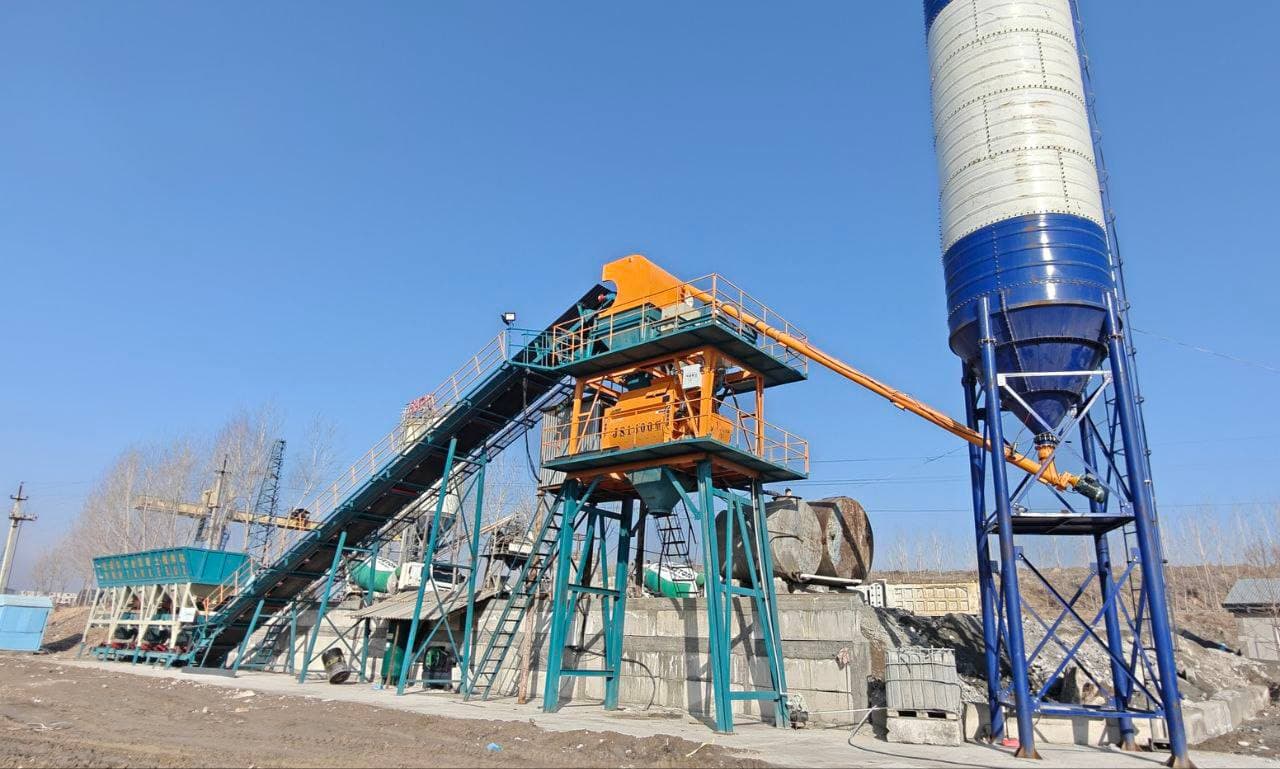
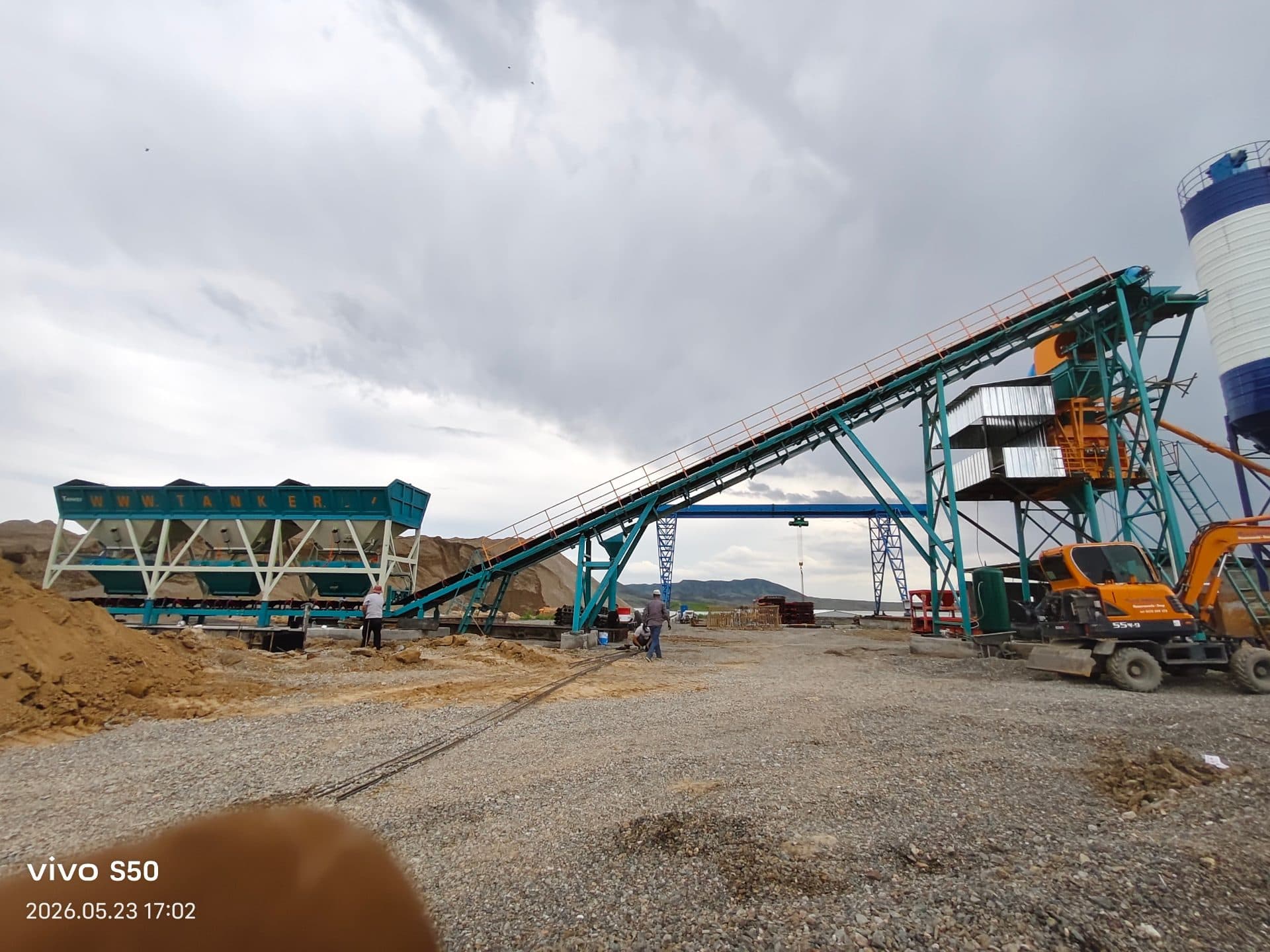
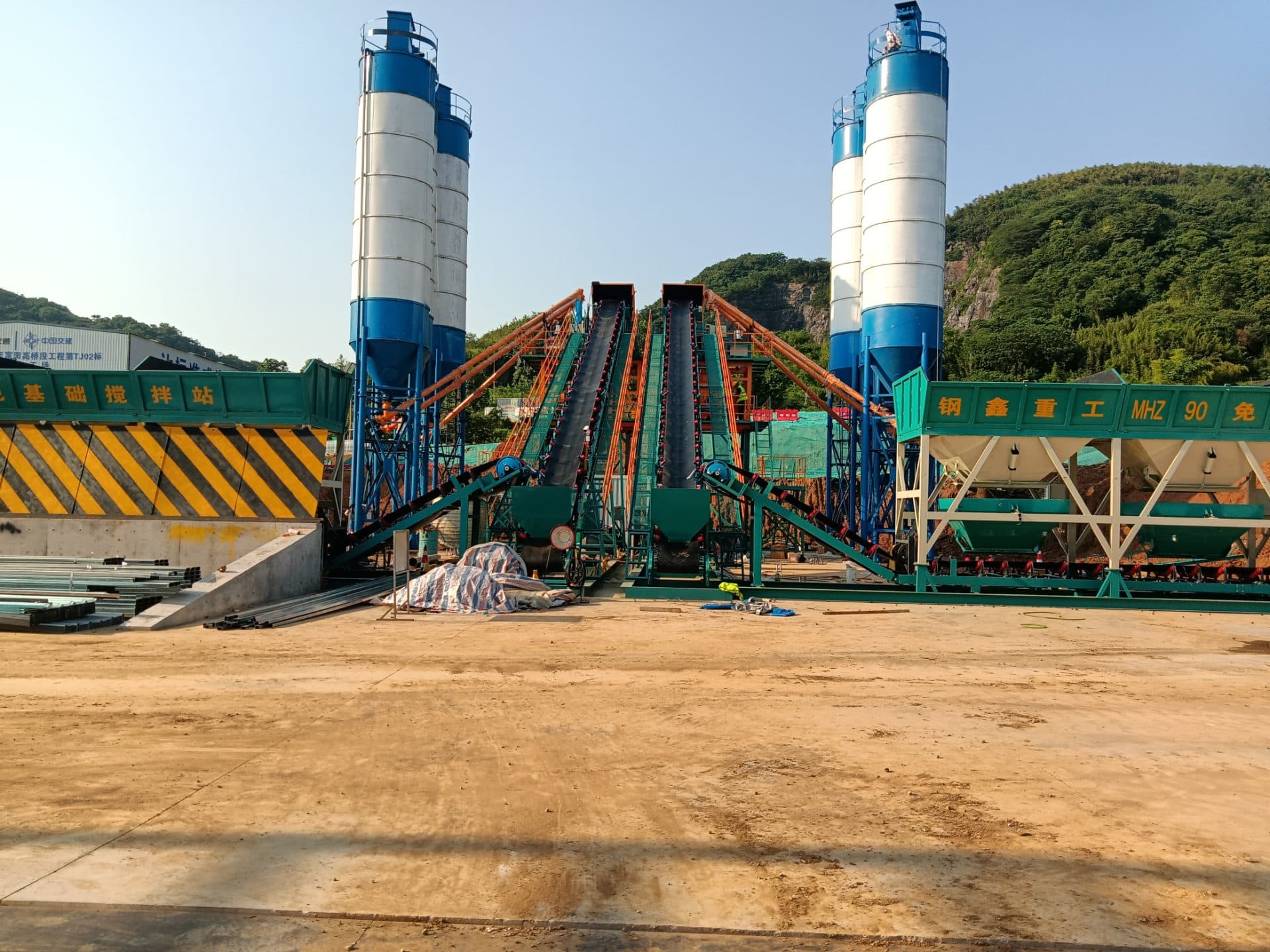
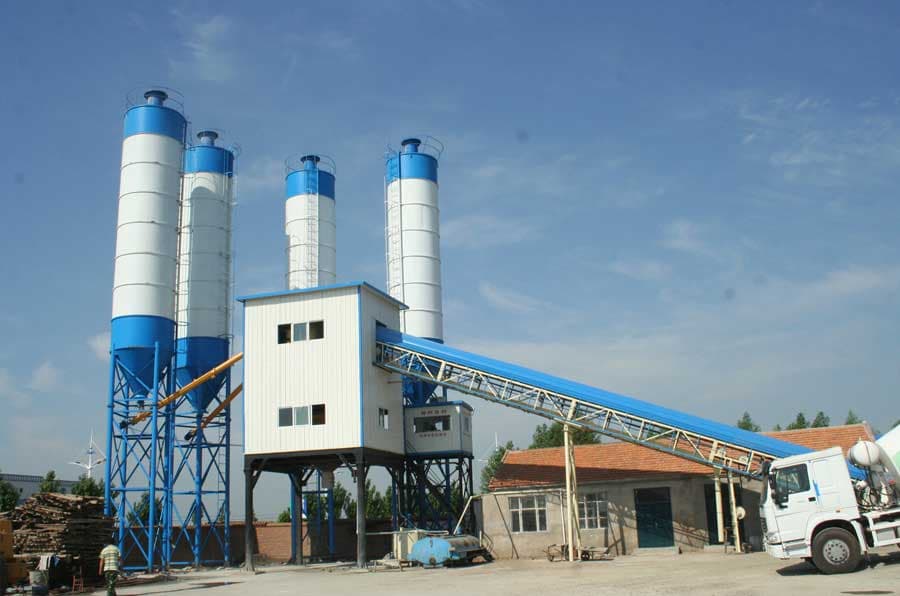
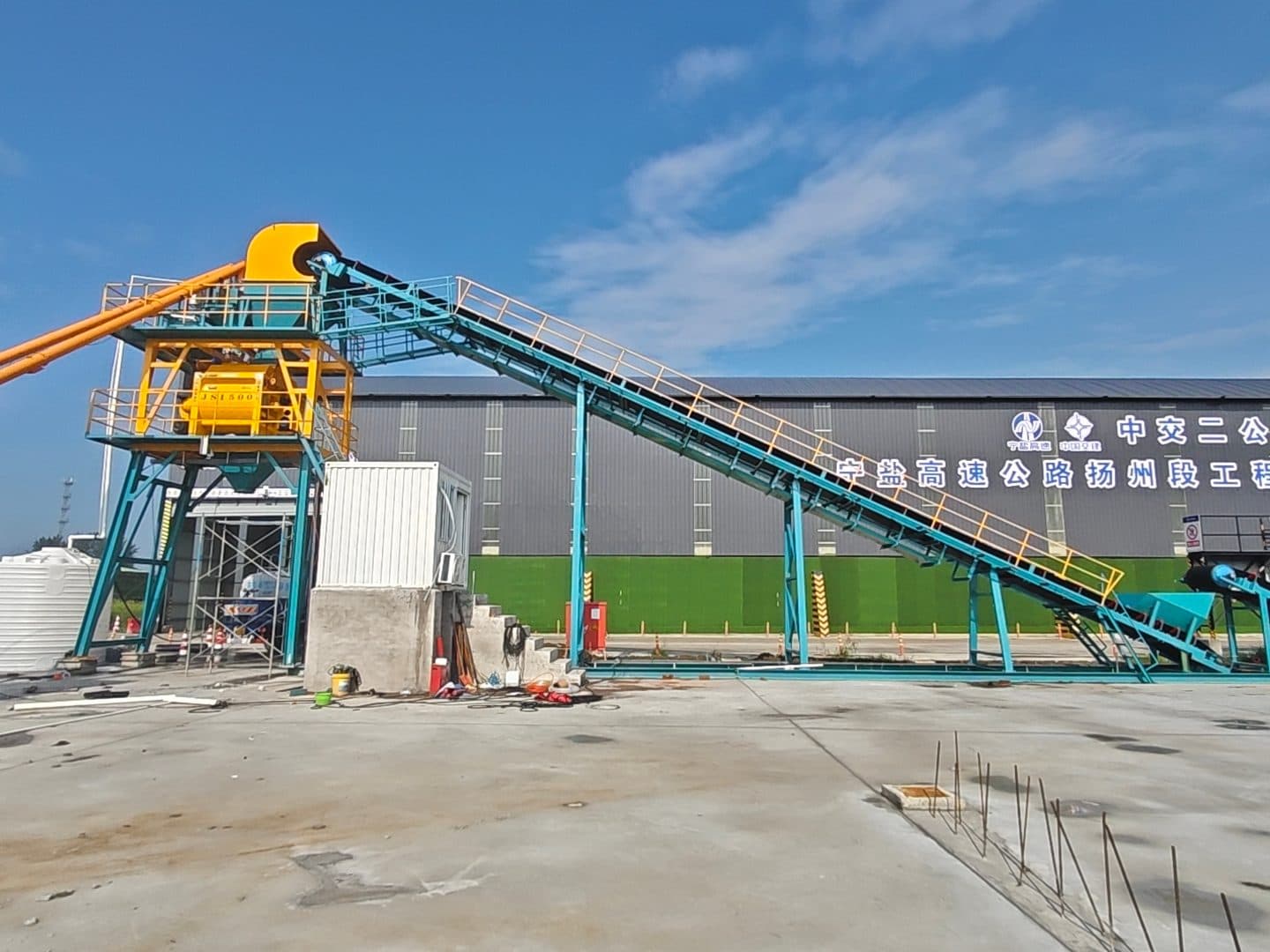
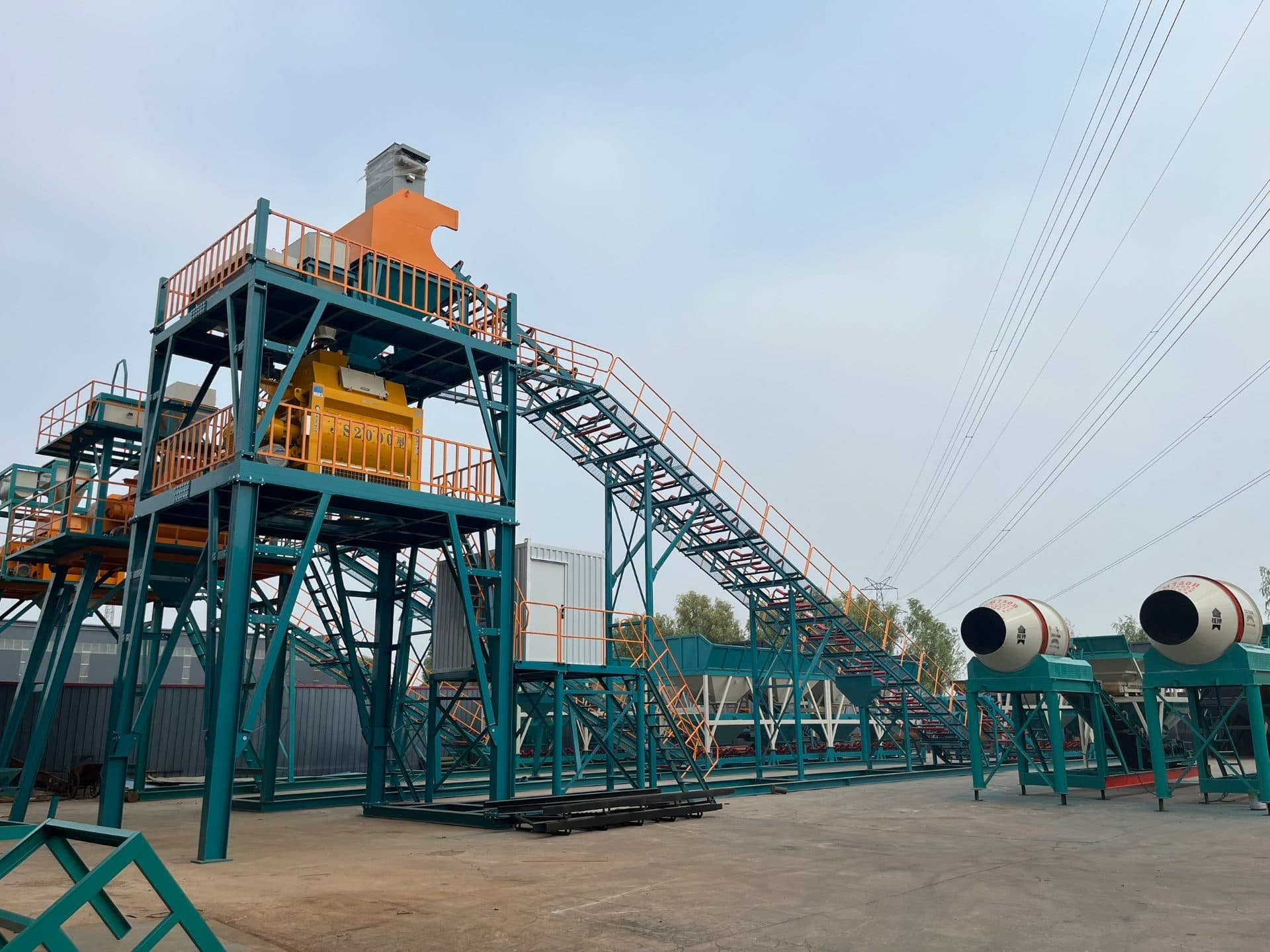
The 40 m³/h class suits many medium projects with stable but limited daily demand. The 60 m³/h class provides more reserve for an intensive single shift or several crews. The 90 m³/h class is common for larger infrastructure and commercial ready-mix work. The 110 m³/h class requires high material flow and continuous logistics. These are starting points, not output guarantees.
4. Check all main systems together
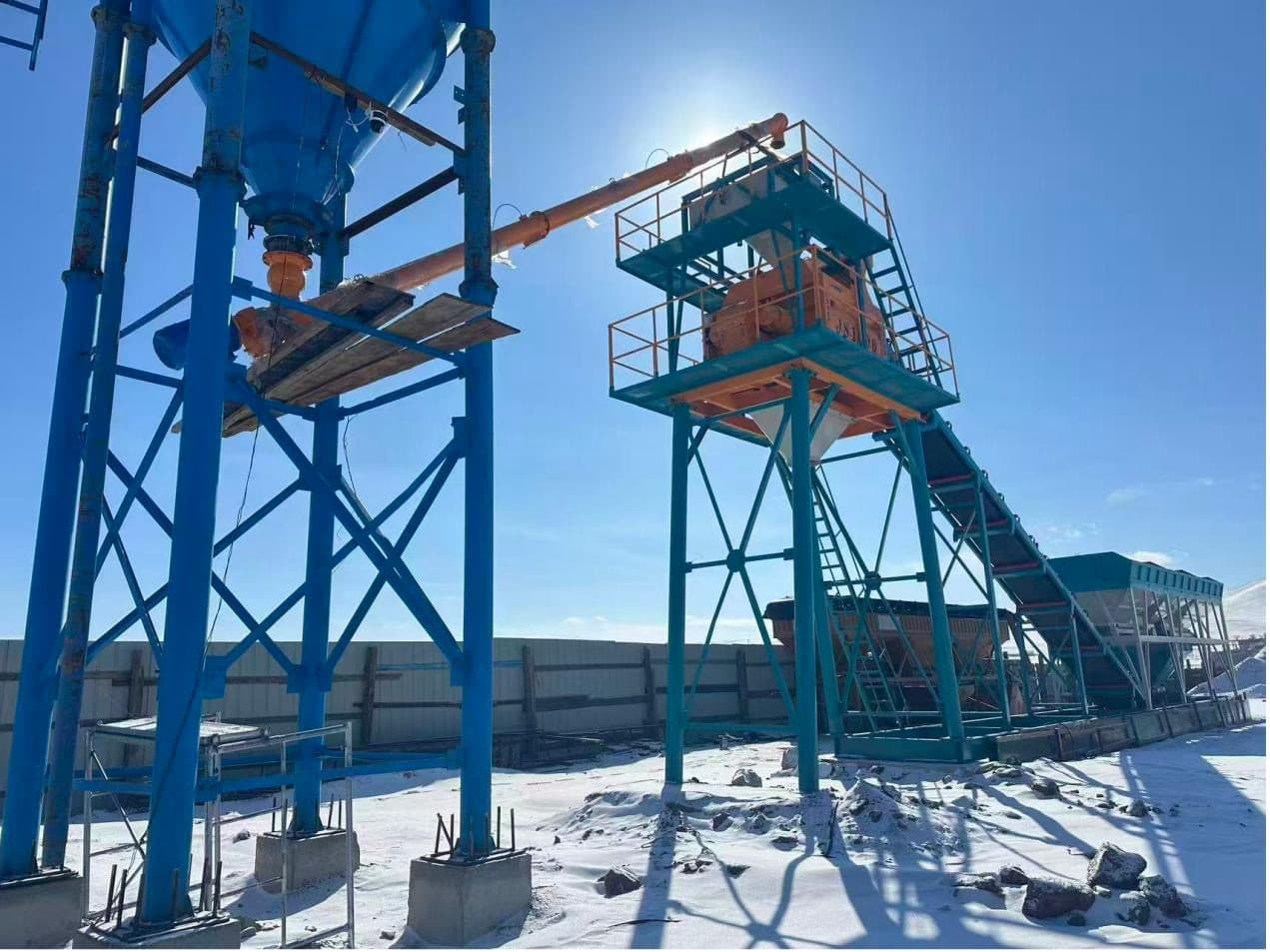
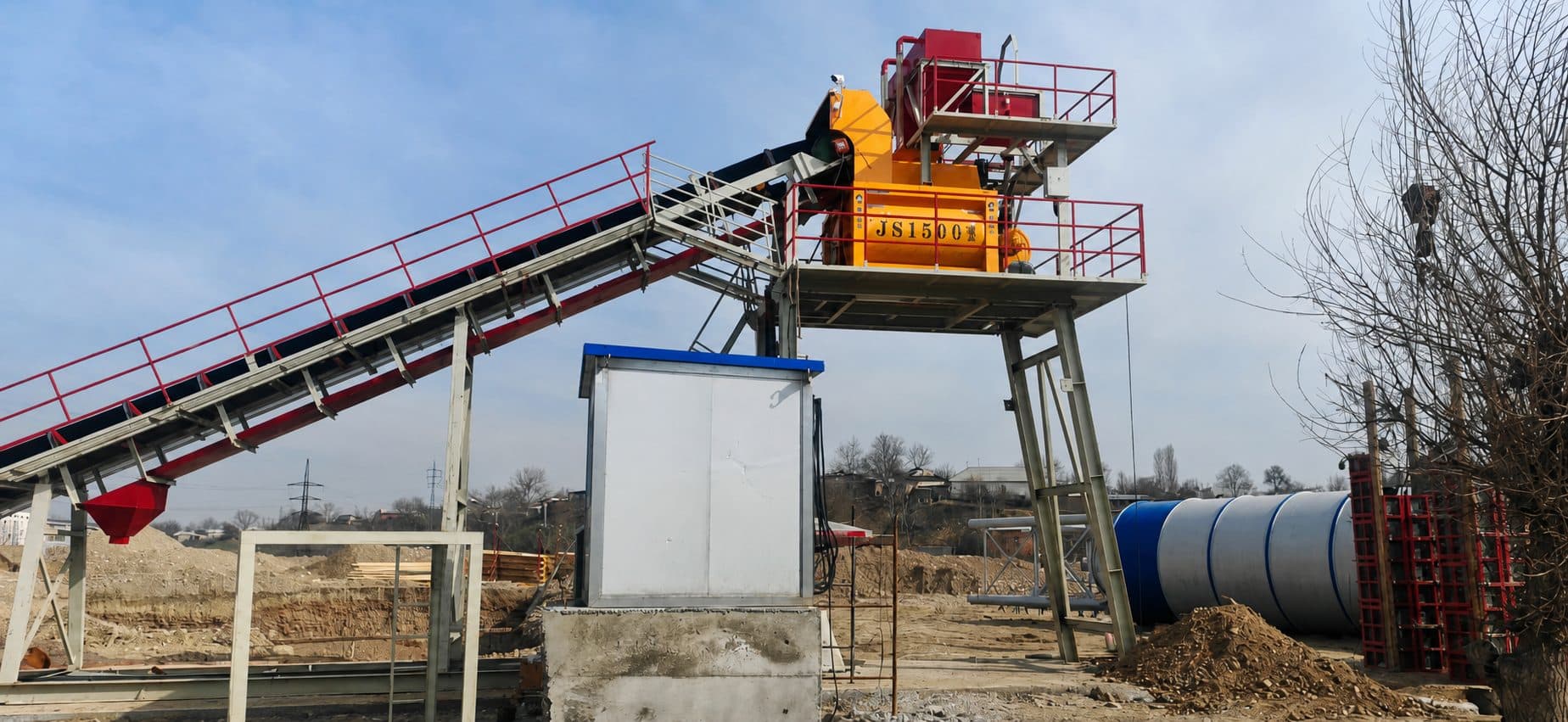
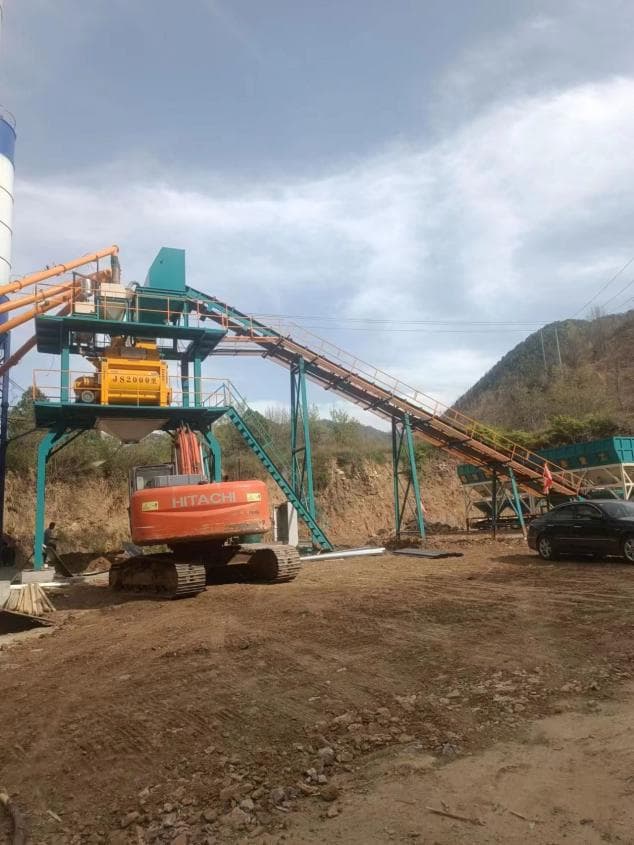
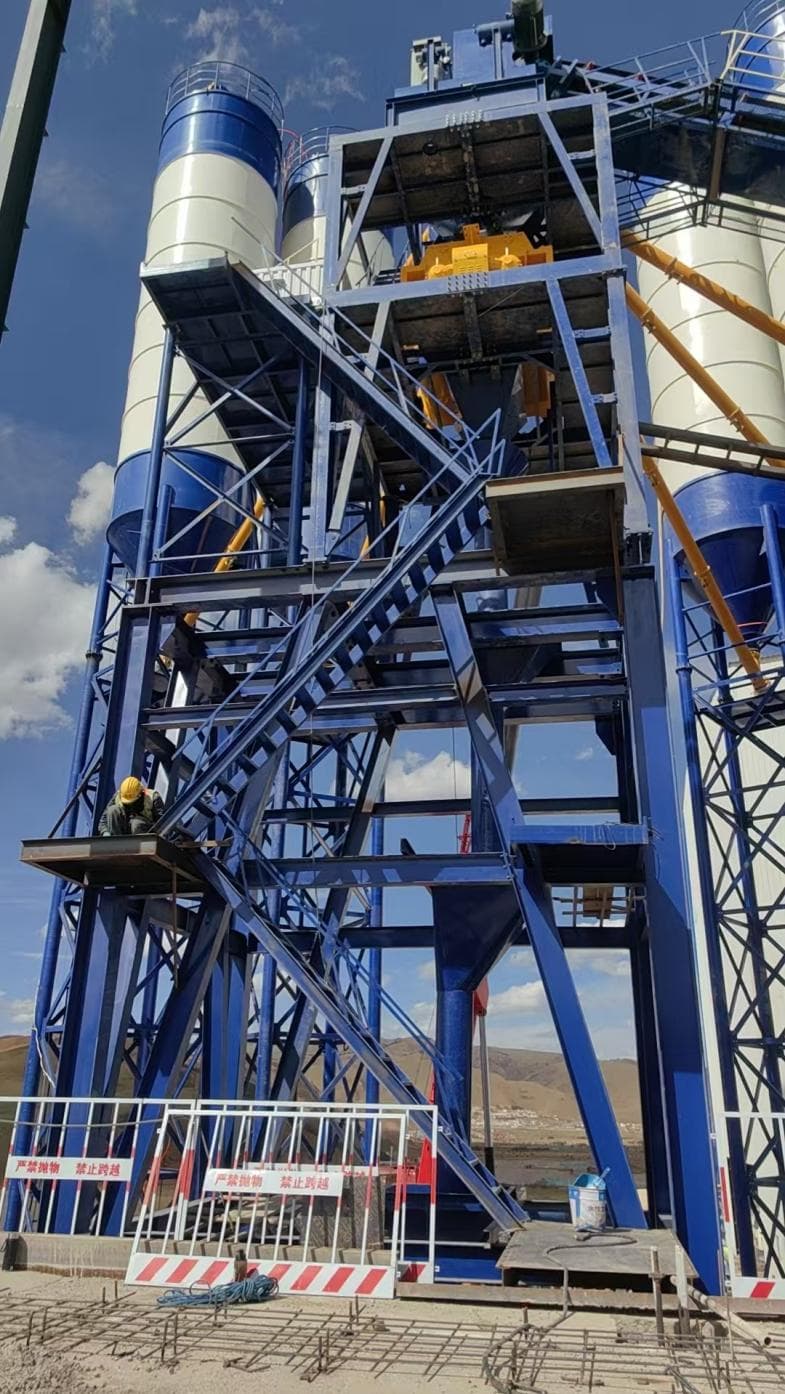
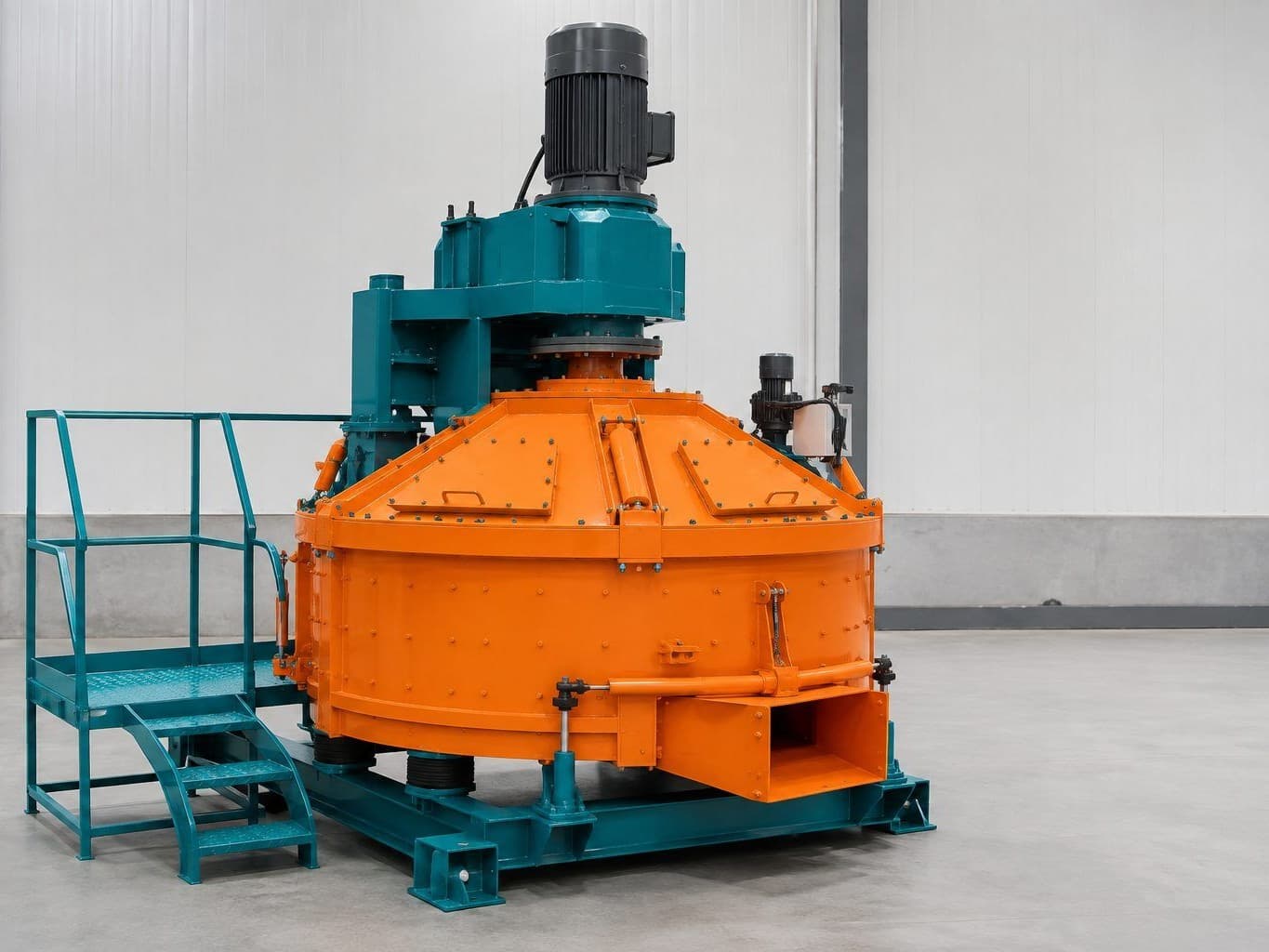
Mixer usable volume and cycle time, aggregate-bin count, weighing method, belt or skip capacity, cement-screw filling time, and water and admixture scales must be coordinated. One slow component can limit the whole plant.
5. Plan reserve and growth
Operating permanently at maximum load leaves little room for service or logistics. Consider seasonal peaks, new customers, a second shift and future recipes. An oversized plant, however, raises capital cost, electrical demand and idle cost.
Send TANKER your daily volume, peak hourly demand, concrete grades, working hours, delivery distance, aggregate fractions and site dimensions. These inputs allow the 40, 60, 90 or 110 m³/h class and the appropriate HZS or MHZS configuration to be selected.
Comparison table
| Capacity class | Initial application | Essential check |
|---|---|---|
| 40 m³/h | Medium project, limited daily demand | Peak pour and effective working hours |
| 60 m³/h | Intensive single shift or several crews | Transport and raw-material flow |
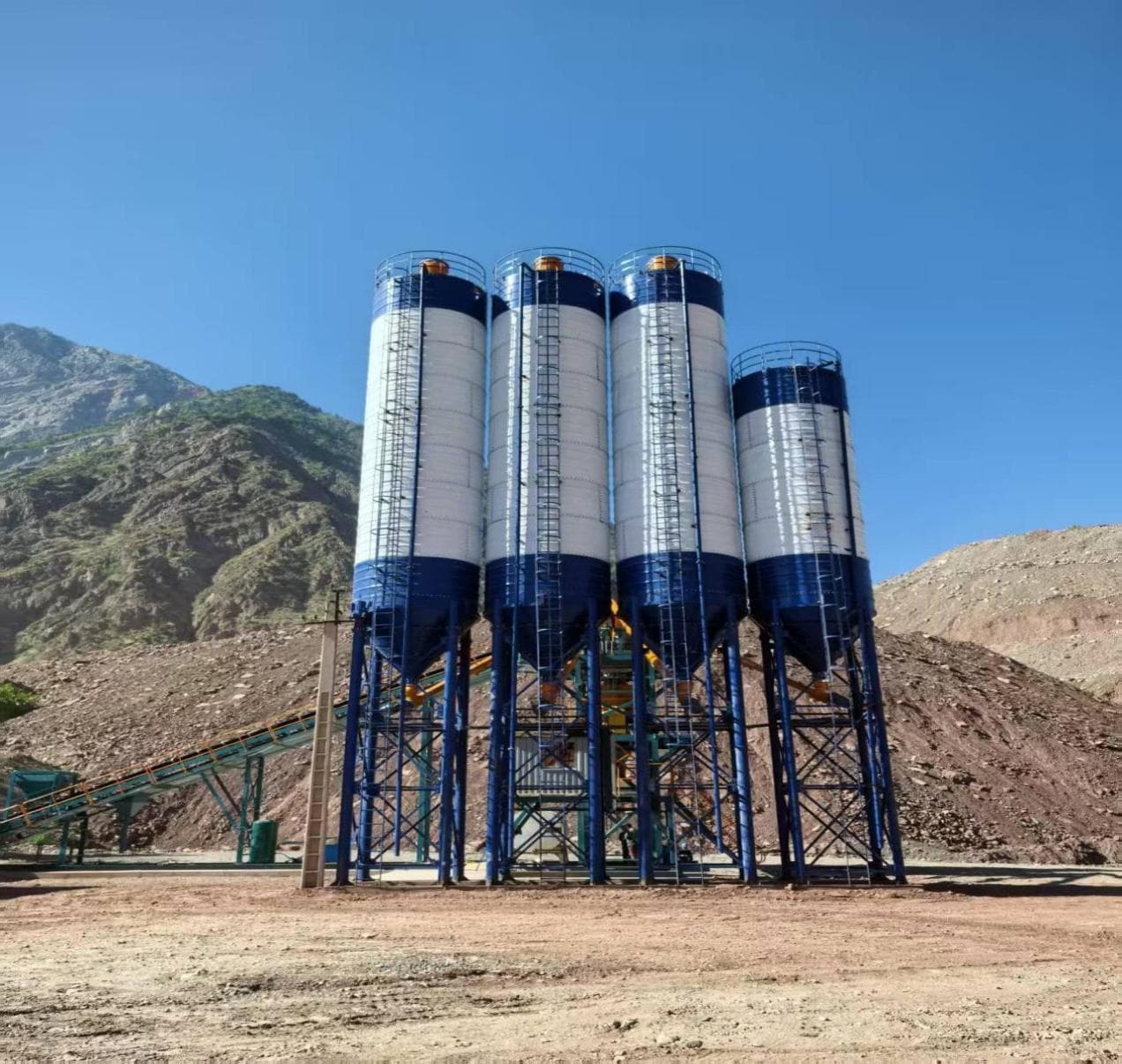
| 90 m³/h | Large infrastructure or ready-mix | Silo reserve and truck queue |
| 110 m³/h | High-flow production | Continuous logistics and electrical capacity |
← suring →