Why a 90 m³/h concrete batching plant does not always produce 90 m³/h
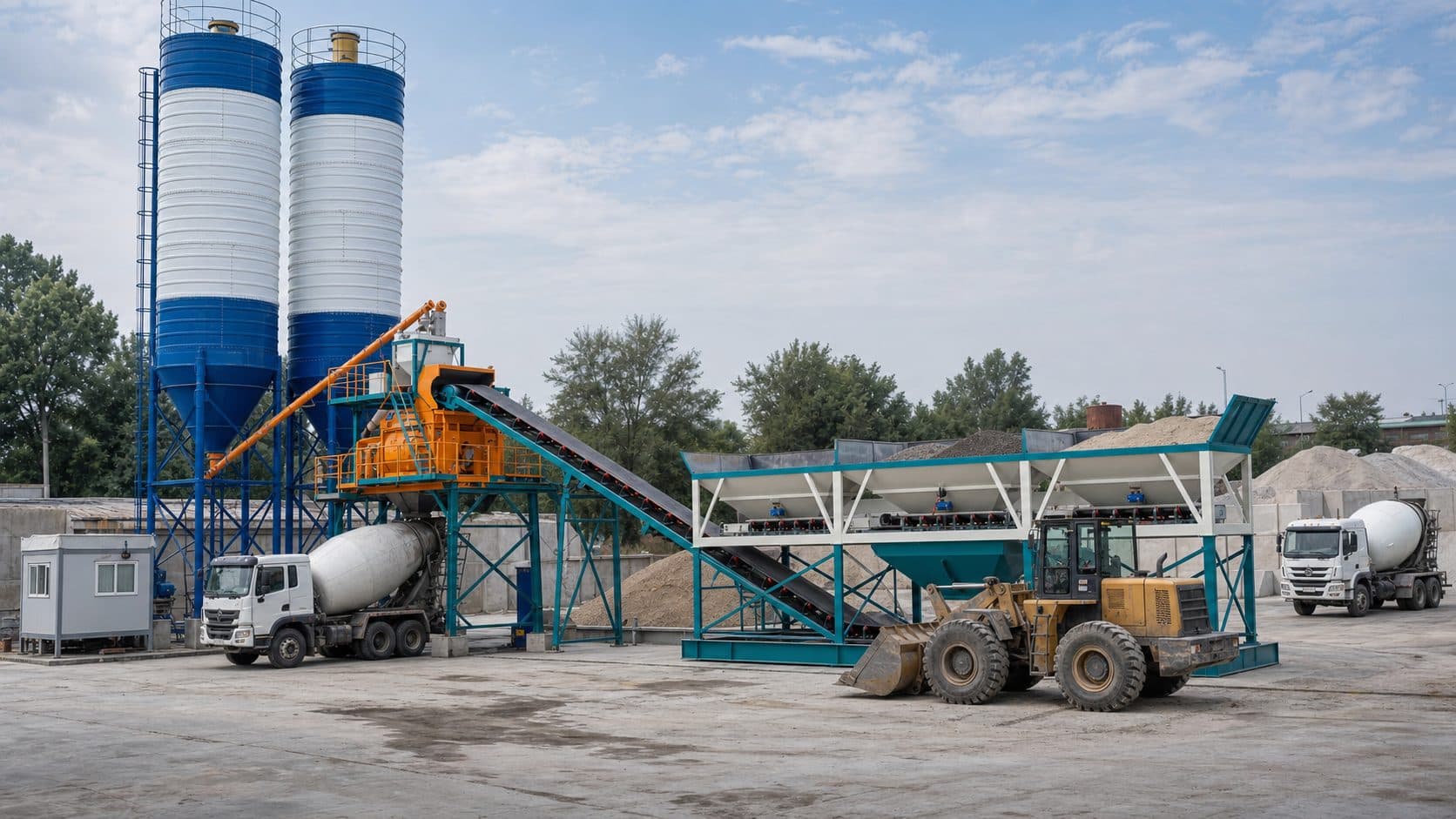
The 90 m³/h figure in a batching-plant model normally describes theoretical production under a defined reference cycle. It does not mean that the plant will deliver exactly 90 cubic metres of concrete every hour with every recipe, in every climate and under every site-logistics arrangement.
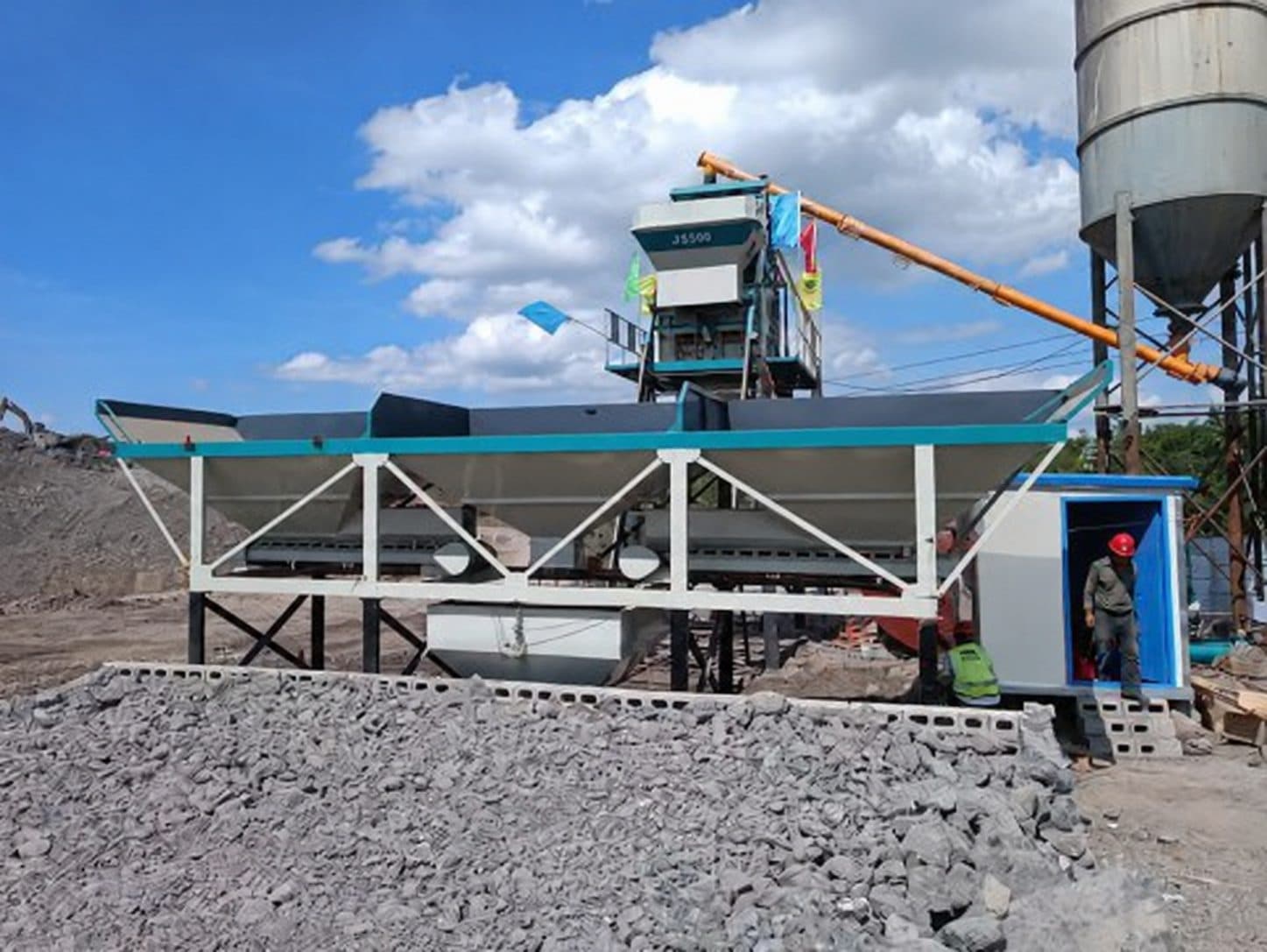
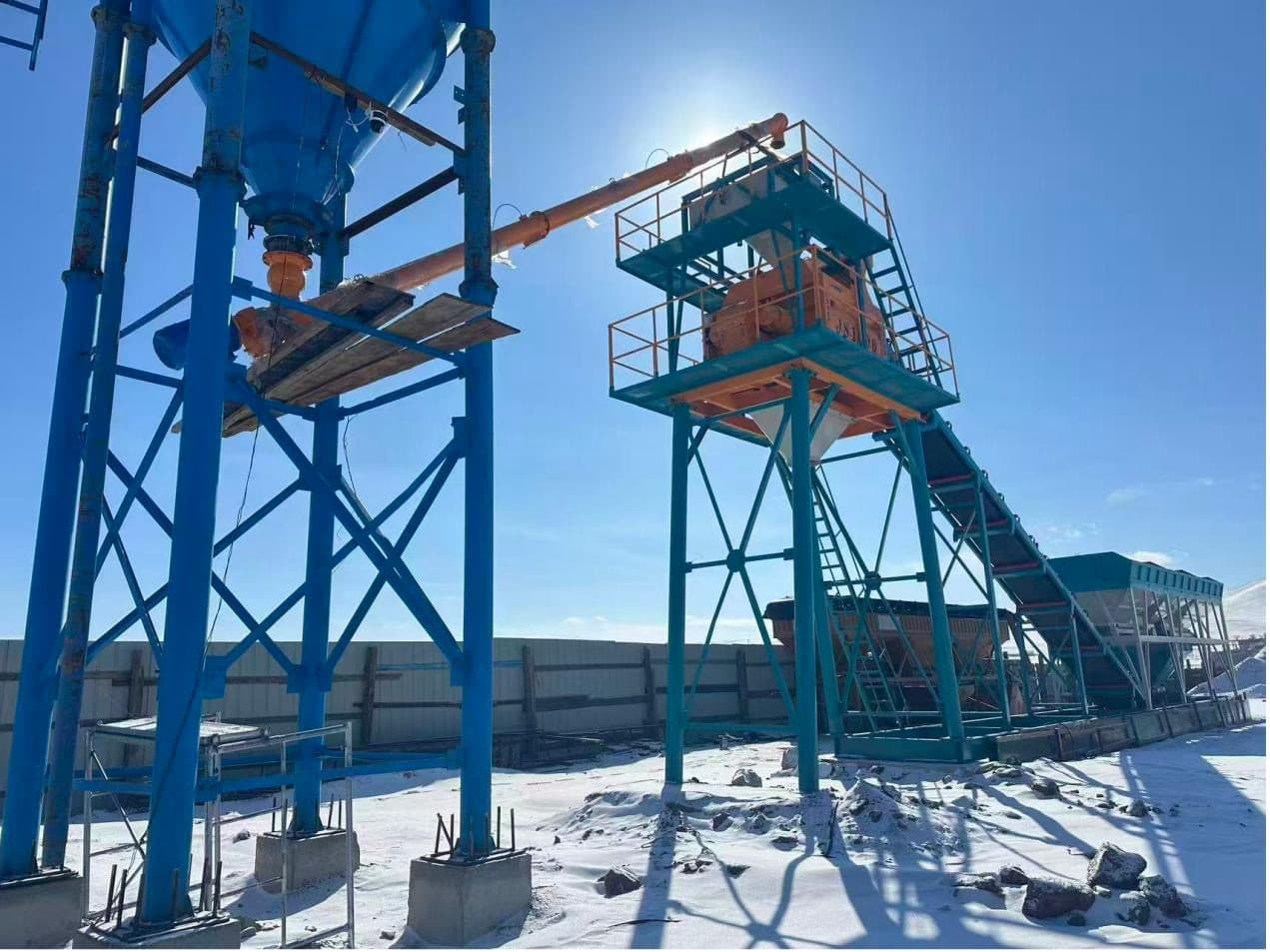
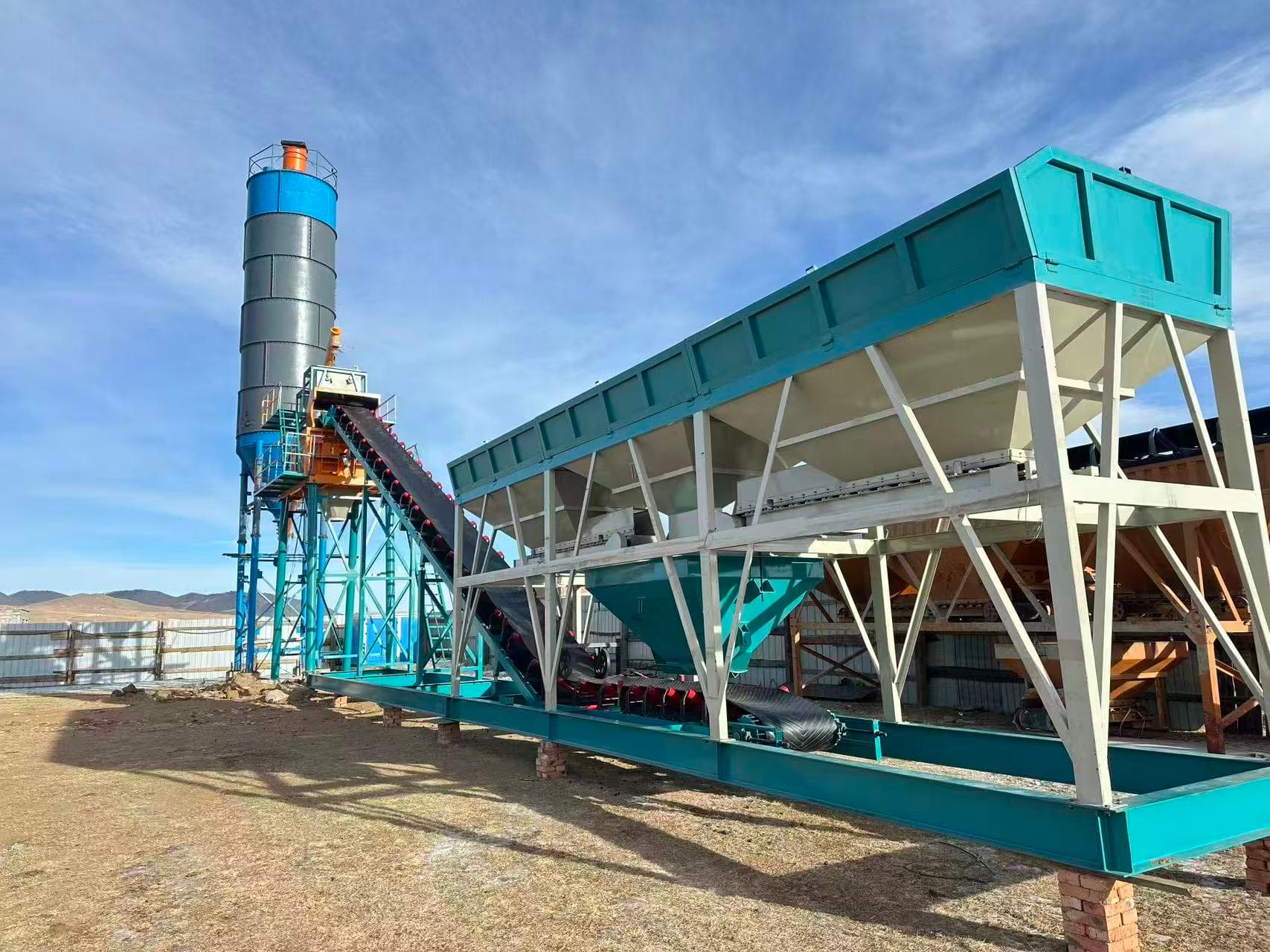
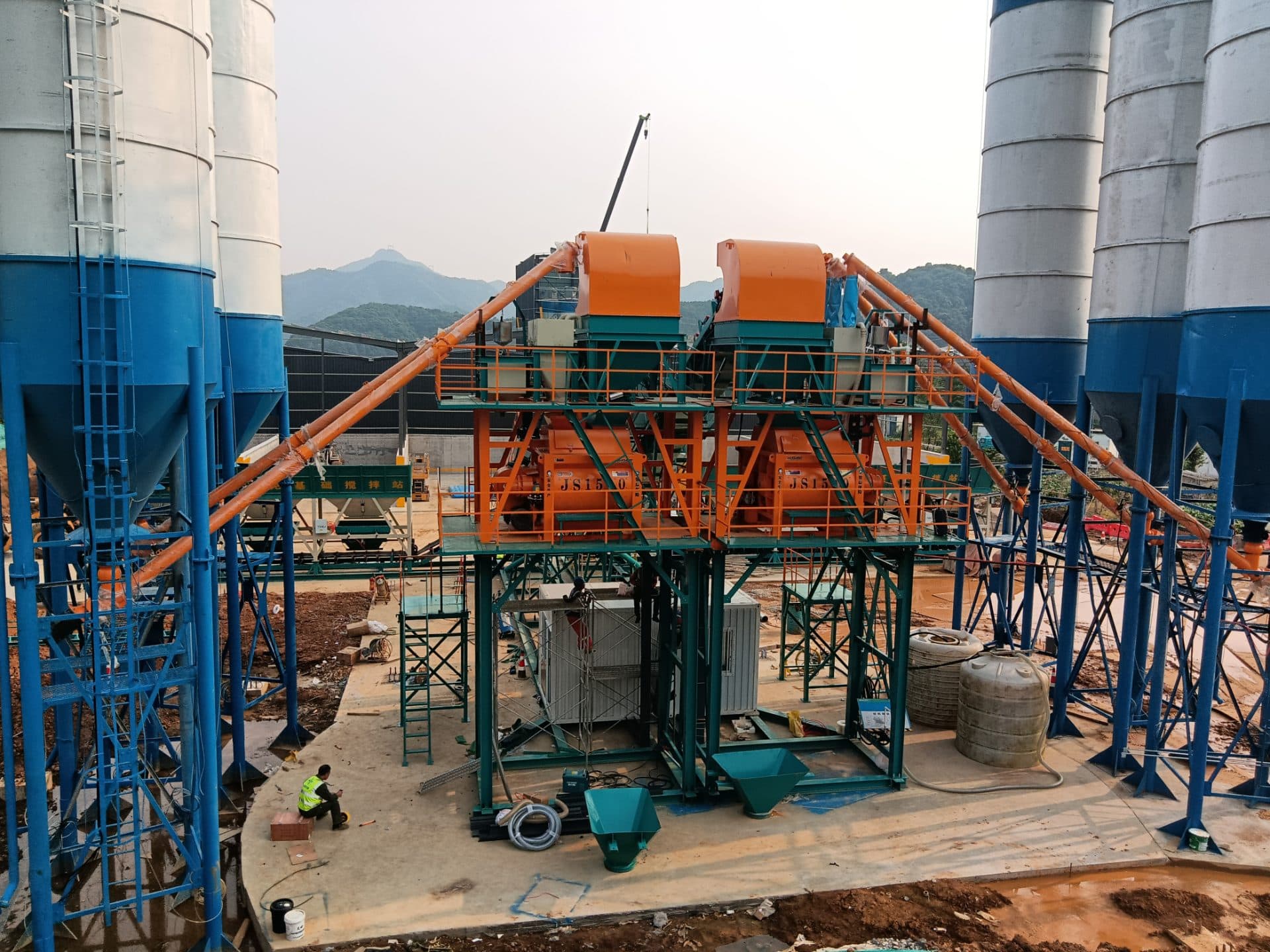
Actual output depends on the complete production chain: aggregate batching, cement and water weighing, material conveying, mixer loading and discharge, truck positioning, material reserve and planned or unplanned stops. The first step is to understand how the nominal figure is calculated.
1. What does 90 m³/h mean?
Theoretical capacity can be expressed with a simplified formula:
Theoretical output = compacted volume per batch × number of cycles per hour.
If a mixer discharges 1.5 m³ of compacted concrete and completes one full cycle in 60 seconds, it performs 60 cycles per hour: 1.5 × 60 = 90 m³/h. This calculation assumes every batch is full and there is no waiting between cycles.
Average full cycle | Cycles per hour | Calculated output at 1.5 m³ per batch |
|---|---|---|
60 seconds | 60 | 90 m³/h |
75 seconds | 48 | 72 m³/h |
90 seconds | 40 | 60 m³/h |
120 seconds | 30 | 45 m³/h |
This table only illustrates the effect of cycle time; it is not a guaranteed production result for a particular plant.
2. A full cycle is more than mixing time
A specification may state a 30-second mixing time, but the complete batch cycle includes:
feeding and weighing aggregates;
transferring material by belt conveyor or skip;
weighing cement and other powders;
dosing water and chemical admixtures;
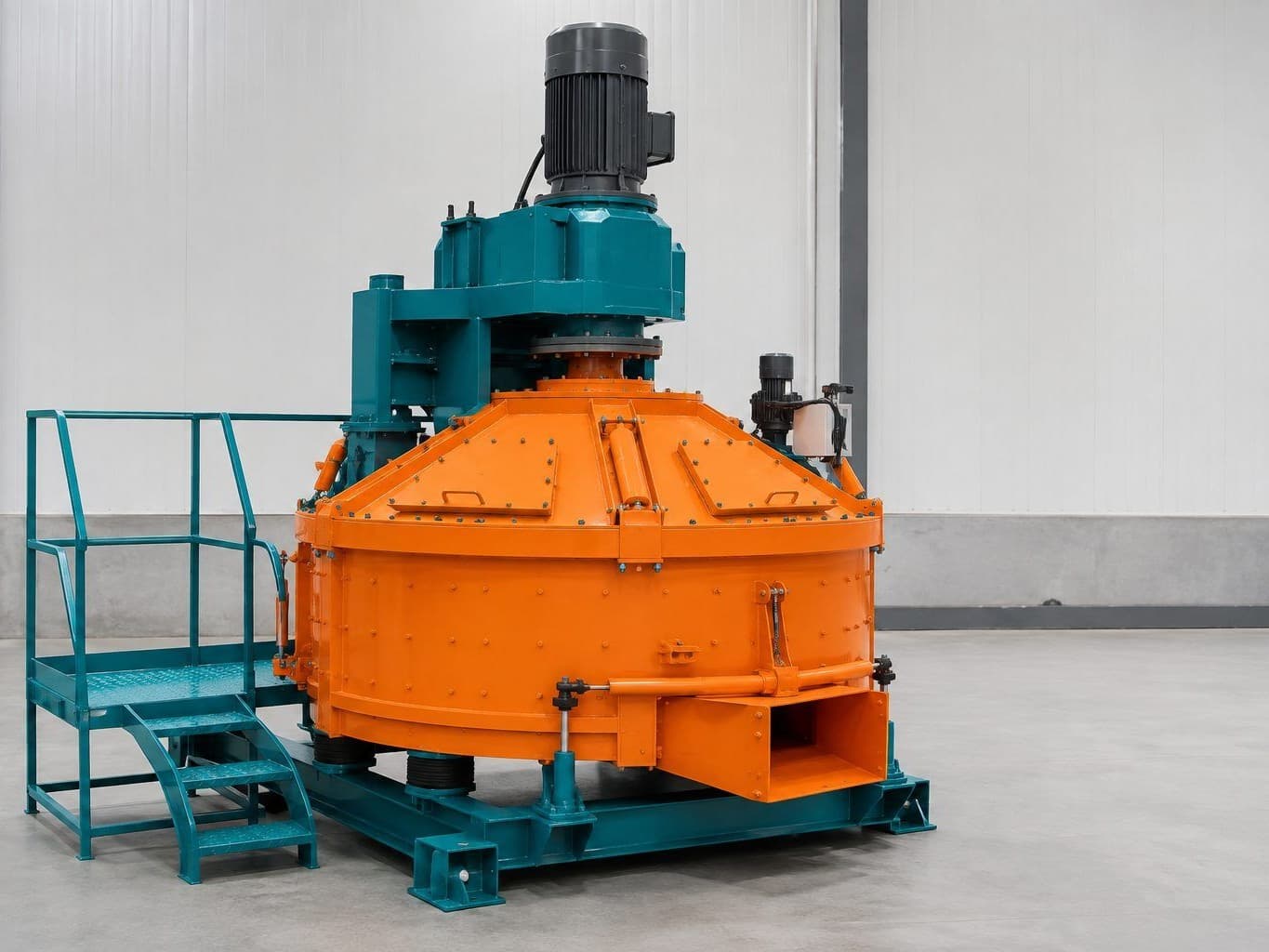
charging the mixer and mixing for the approved time;
discharging the concrete and closing the discharge gate;
preparing the scales and mechanisms for the next batch.
Some operations can overlap, but the slowest operation controls the total cycle. A fast mixer cannot compensate for slow aggregate transfer or a truck that is not ready beneath the discharge point.
3. Mix design changes the cycle
Nominal capacity is normally stated for defined test conditions and a reference mixing time. Production recipes are not identical. Low-slump concrete, multiple binders, fibre-reinforced concrete, special high-accuracy mixes or recipes that need longer homogenization can extend the cycle.
Recipe changes can alter the dosing sequence, admixture circuits, mixing time and cleaning requirement. Concrete quality must not be sacrificed to preserve a short cycle; the mixing time approved by the technologist takes priority.
4. Aggregate supply and moisture
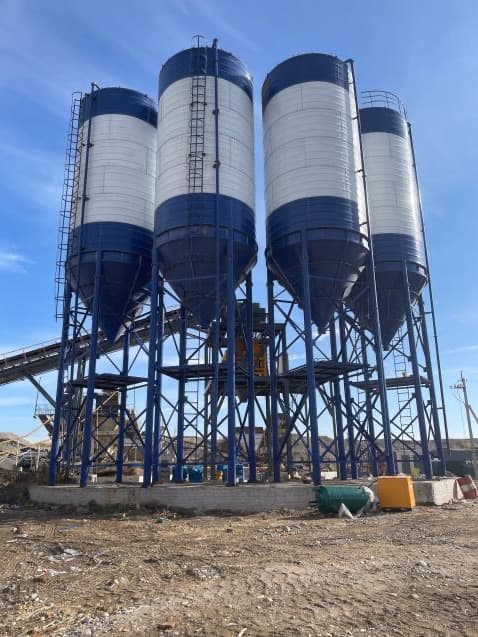
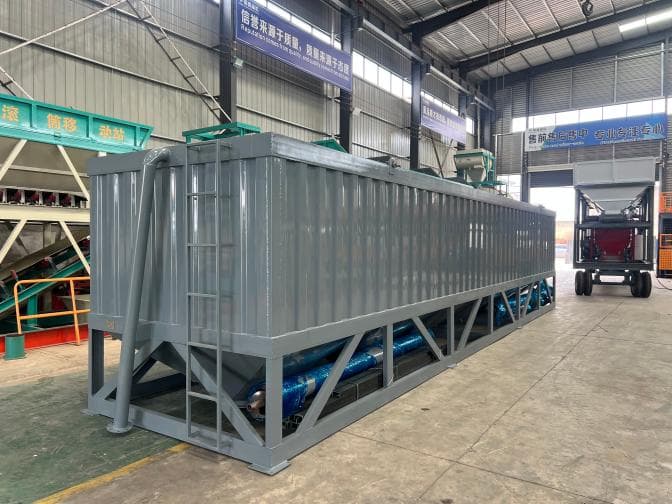
To sustain production, sand and coarse-aggregate bins must remain supplied. If the wheel loader is late, one fraction runs out, material bridges over the bin outlet or frozen lumps block a feeder, the automatic system cannot begin the next batch.
When sand moisture changes, the control system should correct the added water. Checking a moisture probe, taking a laboratory sample or stabilizing the flow of very wet material can add time. A small delay in filling the scale is repeated through many cycles and becomes significant over a full shift.
5. Cement, water, admixture and compressed air can be bottlenecks
If a screw conveyor cannot refill the cement scale before the next cycle, the mixer waits. Low water pressure, a slow pump, restrictive pipework, viscous admixture or falling pneumatic pressure can likewise slow valves and discharge gates.
When checking nominal capacity, evaluate the whole system:
real capacity of the aggregate belt or skip;
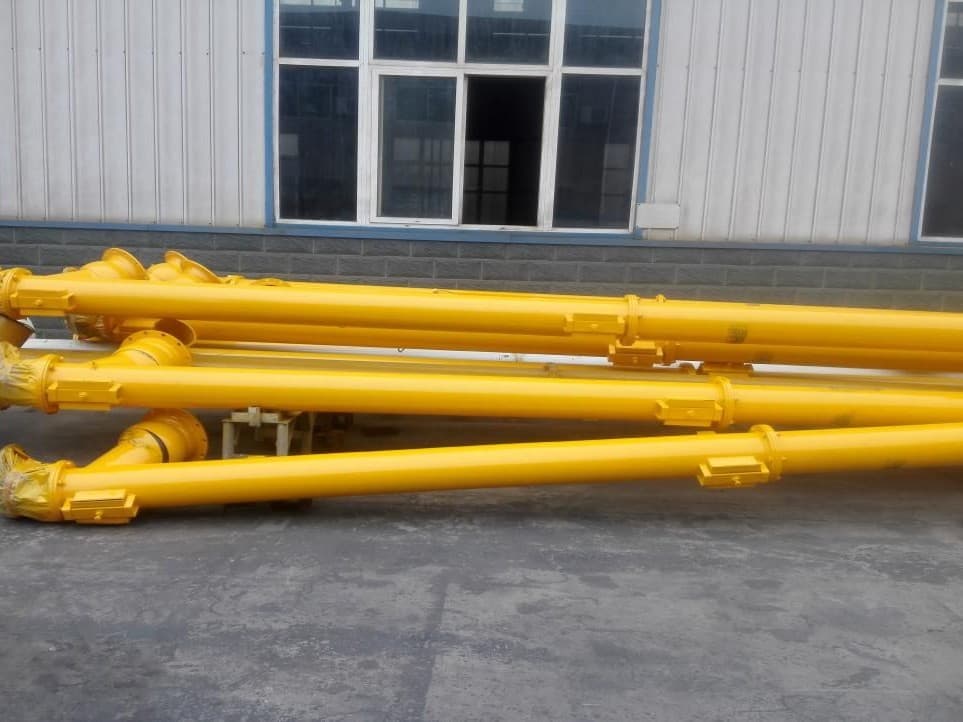
number, diameter, angle and throughput of cement screw conveyors;
water and admixture pump flow;
compressor capacity and stable air pressure;
scale volume and whether materials can be dosed in parallel.
6. Truck-mixer movement sets the plant rhythm
A 9 m³ truck mixer requires six full 1.5 m³ batches. The truck must also enter, align under the discharge point, receive the load, collect dispatch documentation and leave space for the next vehicle.
If trucks arrive late, internal roads are narrow or one access road creates opposing traffic, the plant may have nowhere to discharge. Conversely, when the plant is fast but the truck fleet is too small, transport—not batching—limits total production.
7. Planned and unplanned stops
Theoretical hourly calculations assume uninterrupted production. A real shift includes:
start-of-shift inspection and system warm-up;
recipe or concrete-grade changes;
cleaning the mixer, discharge gate and loading zone;
checking or calibrating scales;
waiting for material deliveries;
maintenance and wear-part inspection;
correcting sensor, conveyor, screw or pneumatic faults.
Effective production time is not equal to calendar time. Each planned stop should be included in the daily production plan.
8. Weather, power and site conditions
In winter, frozen aggregate and water-system heating affect the cycle; in summer, material-temperature control may be necessary. Heavy rain can quickly change sand moisture. Low voltage, insufficient generator capacity or unstable water supply may prevent all systems from operating simultaneously at full load.
Poor site layout can cause wheel-loader and truck-mixer routes to cross. Traffic then has to stop for safety, and the plant waits.
9. How to calculate actual output
The most useful value is the successful concrete volume produced during a clearly defined operating period:
Actual output = concrete produced ÷ observed operating time.
The report should record the observation period, recipe, average batch volume, number of successful cycles and reasons for stops. Analyse a typical shift as well as the fastest single hour. This reveals whether the actual constraint is mixing, material transfer, transport or operating organization.
10. Practical checklist before selecting a plant
Average, peak-hour and daily concrete demand.
Shift length and planned stoppages.
Concrete grades, slump and special recipes.
Aggregate fractions, moisture variation and bin reserve.
Number of cementitious materials and screw-conveyor configuration.
Truck-mixer volume, fleet size and turnaround time.
Internal access, loading and exit routes.
Available power, water and compressed air.
Climate and heating or cooling requirements.
Maintenance access and future expansion reserve.
Selecting a larger model does not automatically solve a bottleneck. If the real constraint is the truck fleet, cement screw or aggregate stock, that part of the system should be improved before simply increasing mixer size.
Frequently asked questions
Is the 90 m³/h rating incorrect?
No. It is a theoretical class rating based on a defined batch volume and cycle. It should not be interpreted as an uninterrupted guaranteed site result.
Will automation always raise the plant to 90 m³/h?
Automation can optimize parallel dosing, sequencing and alarms, but it cannot eliminate missing materials, a long recipe mixing time or trucks waiting off-site.
Is a larger plant always safer?
Only when the whole system is matched. Bins, conveyors, screws, electrical supply, water, truck logistics and site layout must all support the larger mixer.
How is capacity checked during acceptance testing?
The test recipe, material condition, batch volume, start and end points, measurement period and permitted stops should be agreed in advance. Results are assessed within those conditions.
Conclusion
90 m³/h is a theoretical value derived from mixer volume and a reference cycle. Real production is the combined result of recipe, material flow, dosing, utilities, transport, weather and shift management.
For a properly matched configuration, provide average and peak demand, concrete recipes, aggregate fractions, truck-mixer fleet, site layout and available power and water. The correct assessment covers the complete production chain, not only the nominal number.