How Are Cement, Water and Admixtures Weighed in a Concrete Batching Plant?
Concrete quality depends on more than the mixer. Repeatable production starts with weighing aggregate, cement, water and chemical admixtures to the recipe in every cycle. These materials are normally measured on separate scales and discharged into the mixer in a controlled sequence.
Aggregate weighing
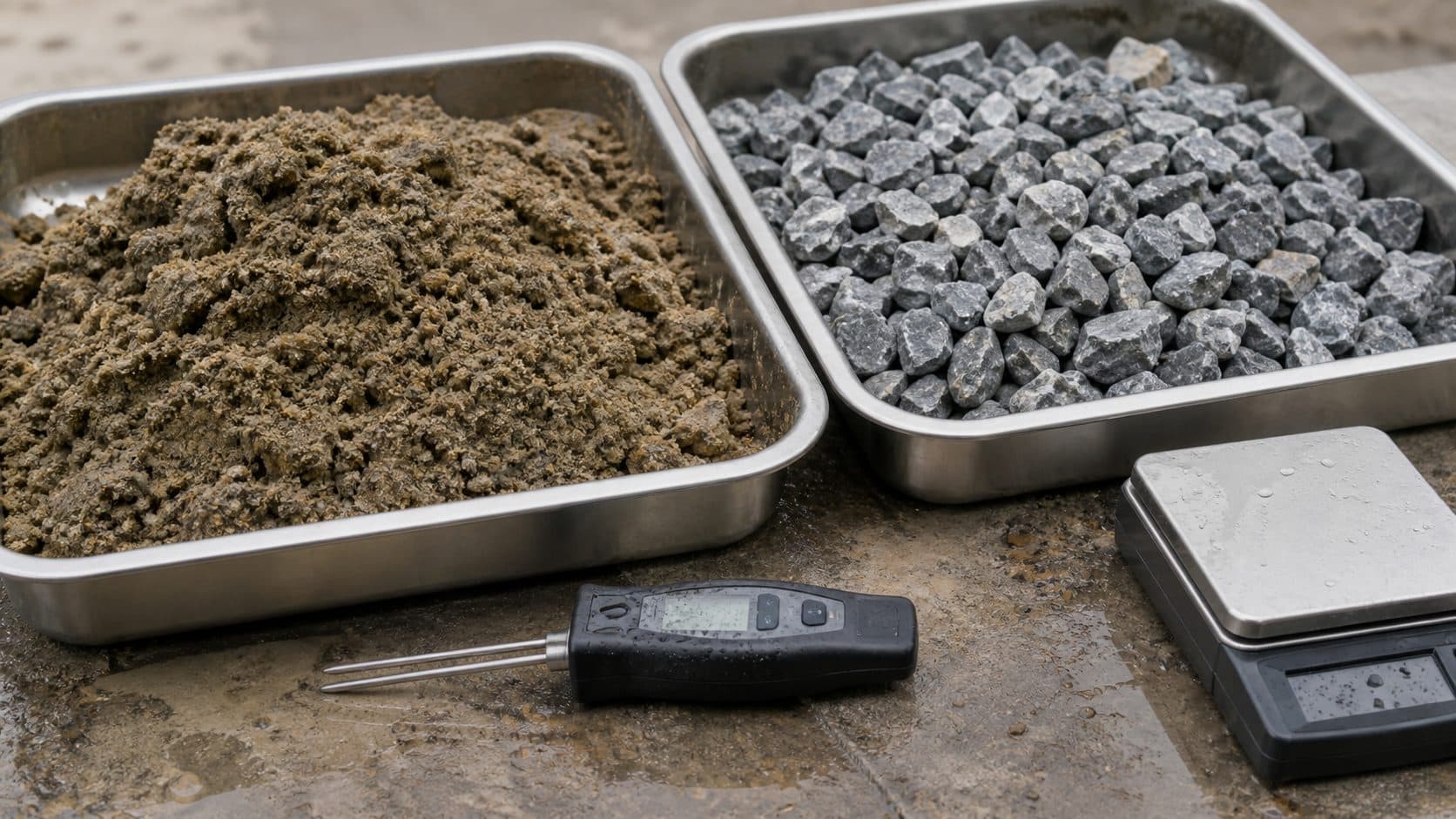
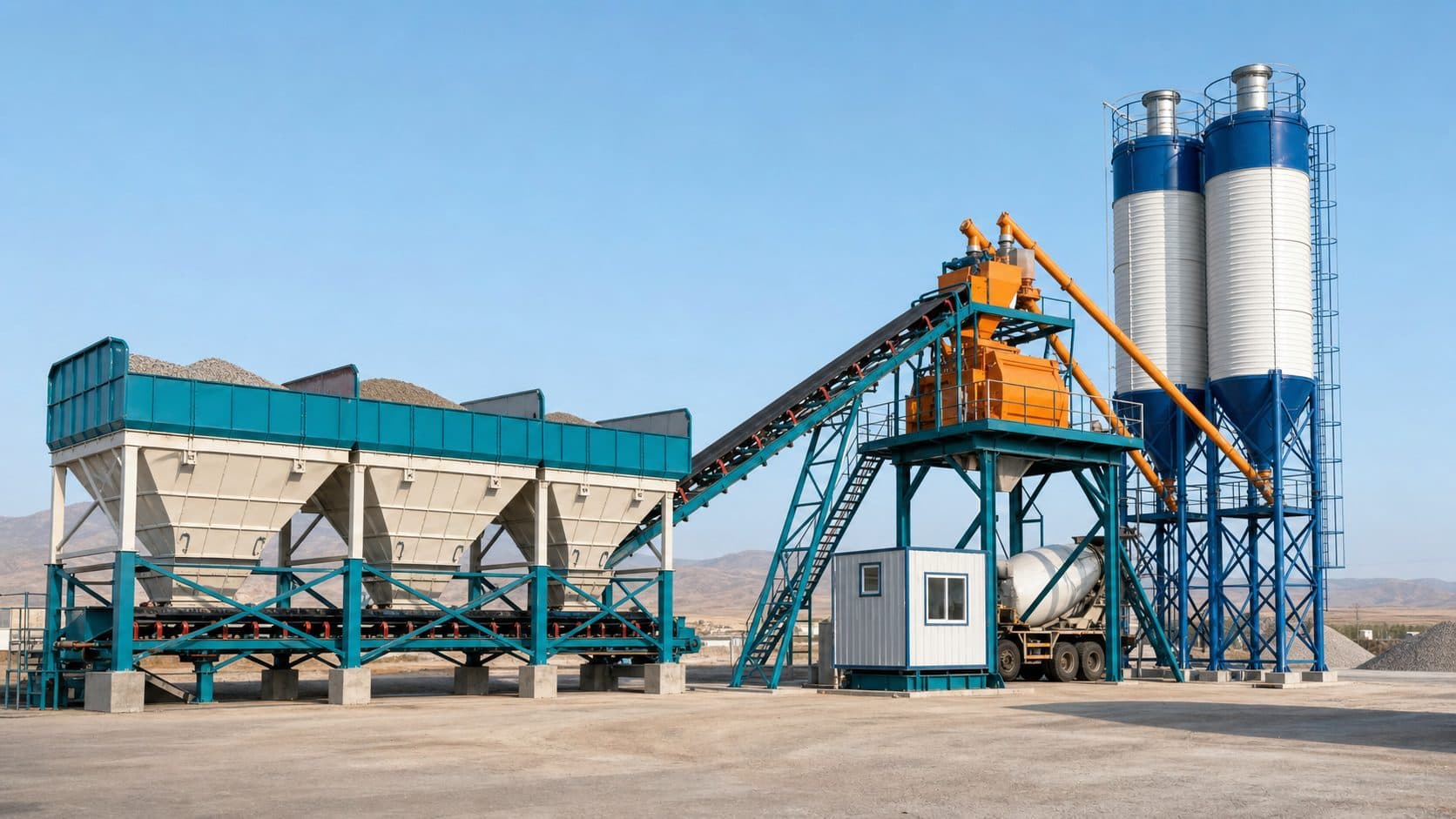
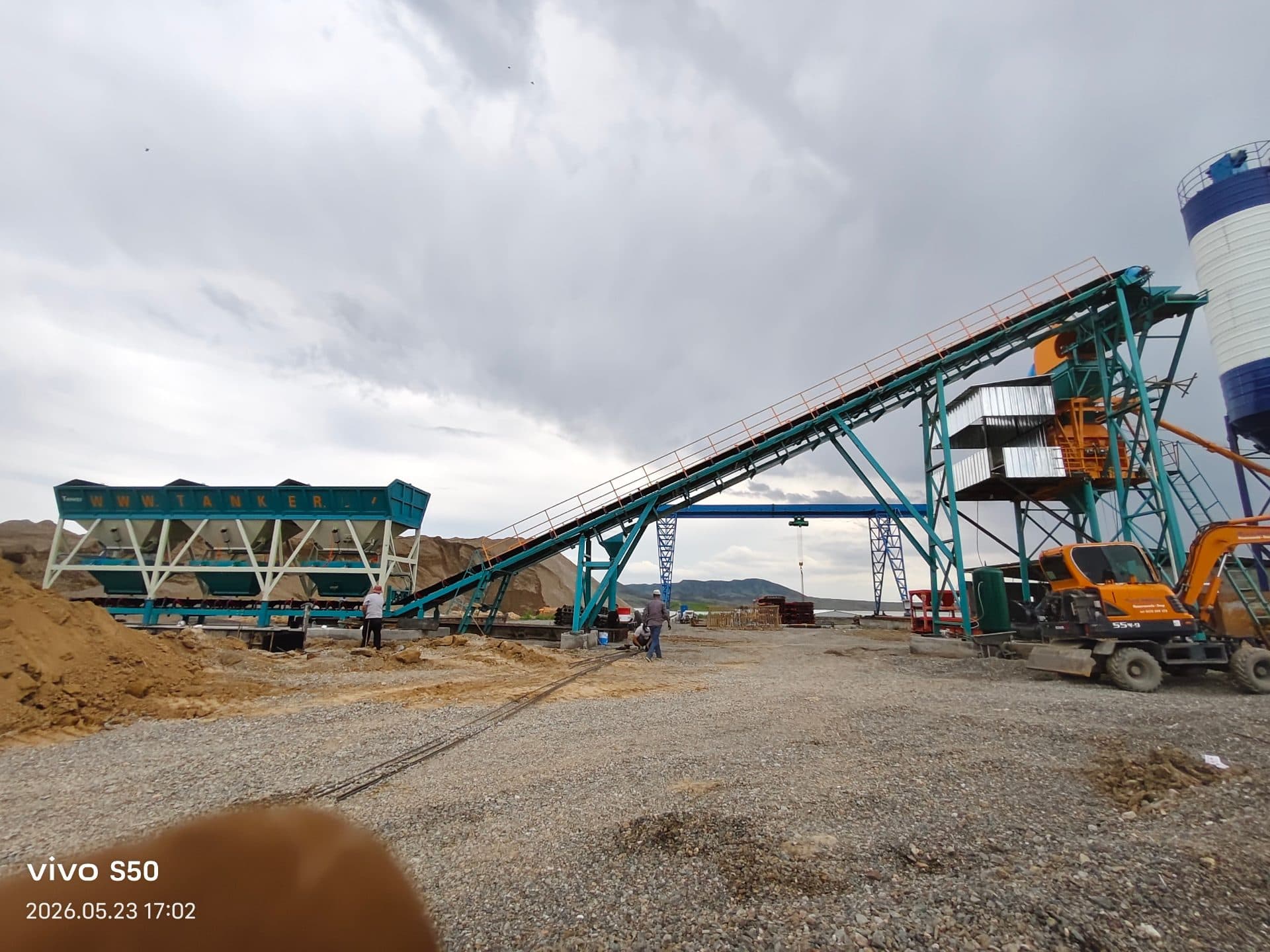
Sand and stone fractions are stored in separate bins. A gate or belt feeds the selected fraction into the aggregate weigh hopper. Because moisture changes both dry aggregate mass and the amount of water entering the mix, the recipe should be corrected using laboratory data or a moisture sensor.
Cement weighing
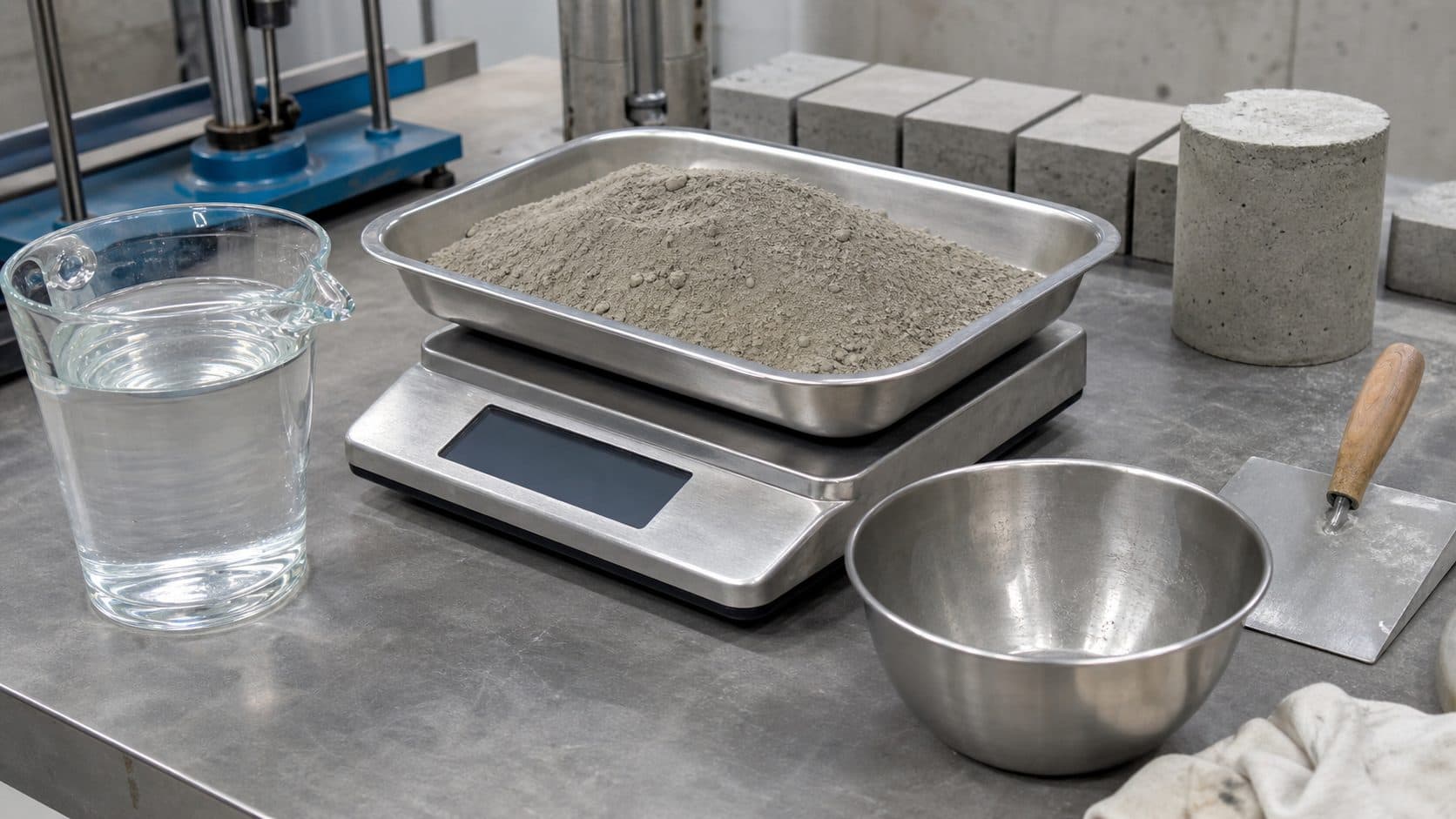
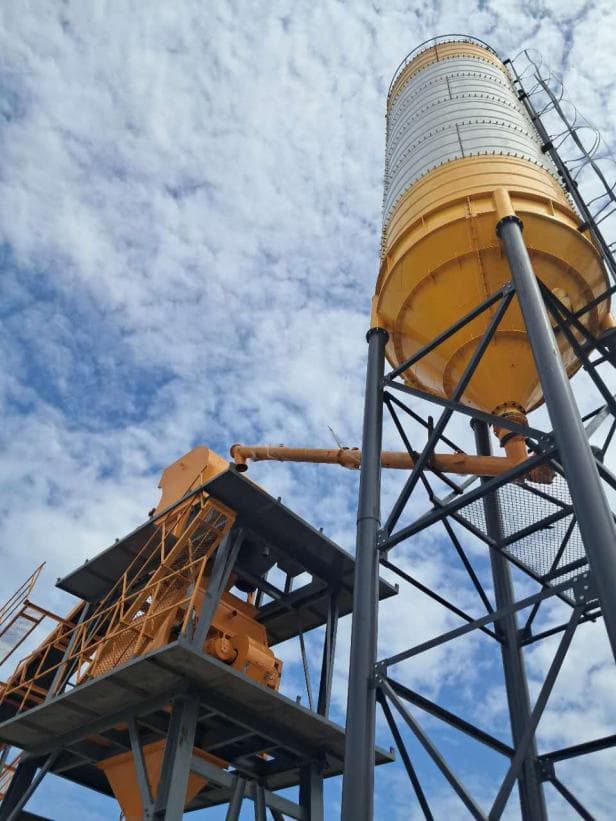
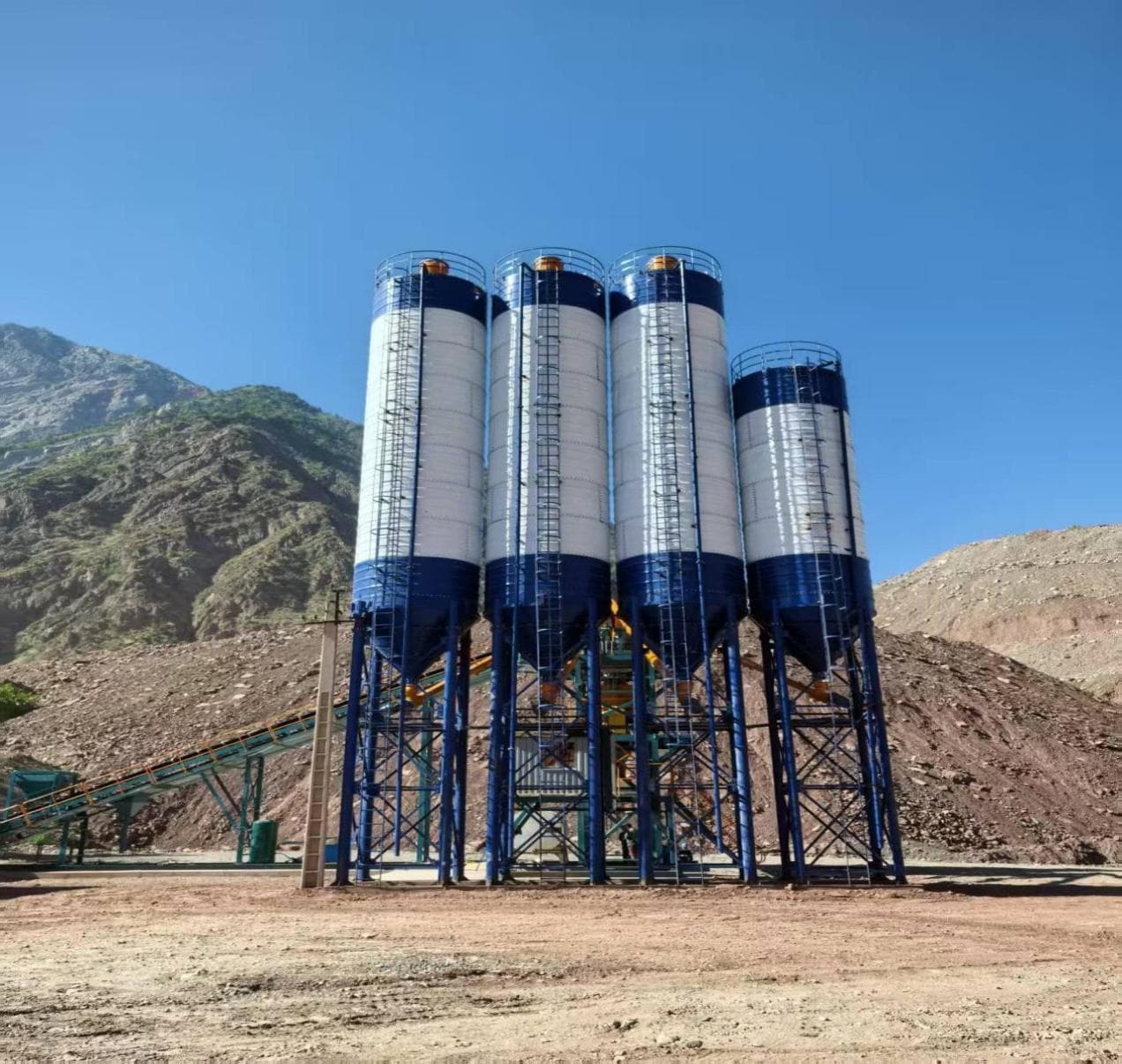
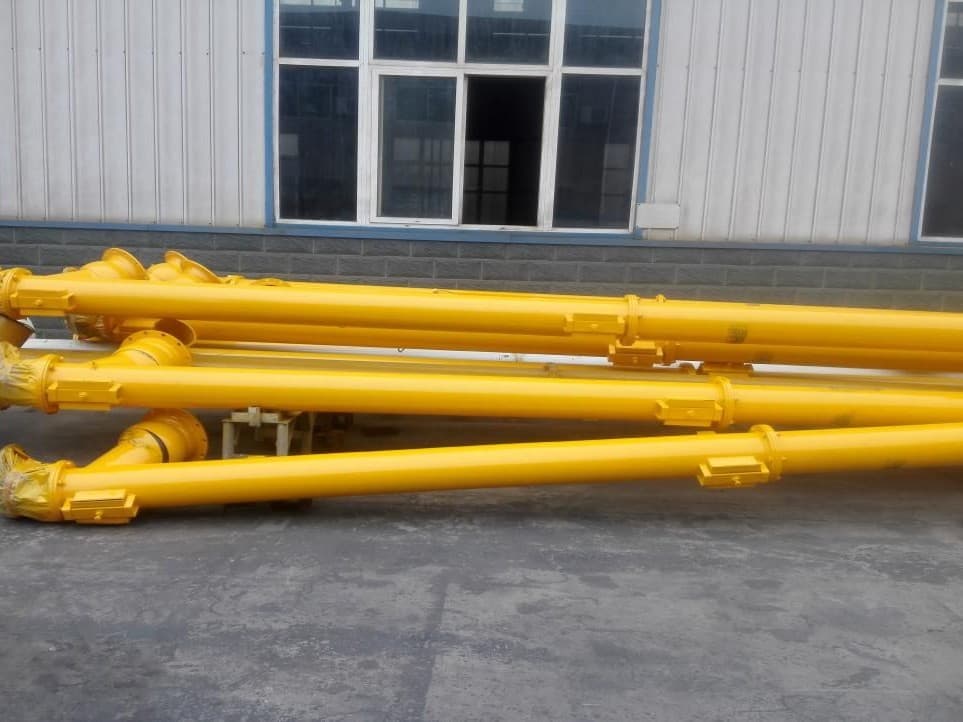
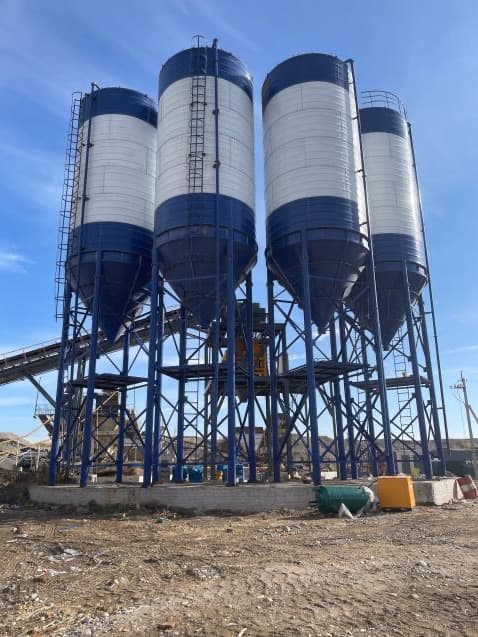
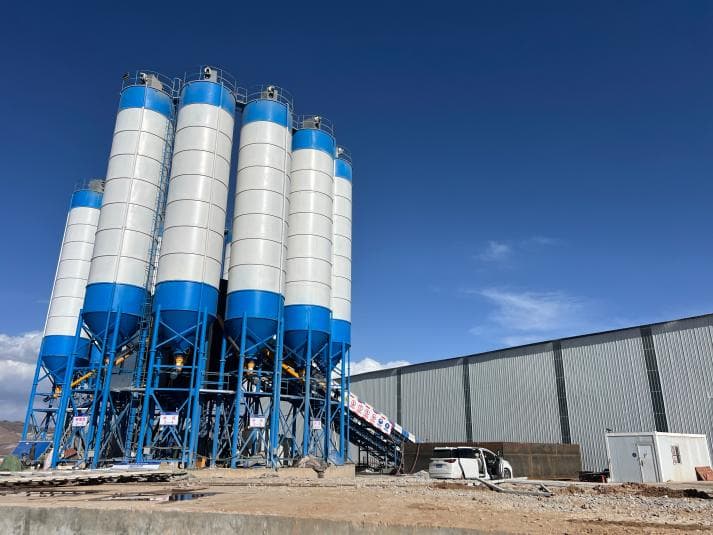
An LSY screw conveyor transfers cement from the silo to an enclosed cement scale. Fast feeding is normally used at first, followed by slower feeding near the target weight to reduce overfilling. The control logic should also account for material that continues to fall from the pipe after the screw stops. A valve then discharges the weighed cement into the mixer.
Water weighing
Water is measured in a separate tank or weigh hopper. Water already present in wet aggregate contributes to the recipe total, so effective water-cement ratio matters more than the water-scale reading alone.
Chemical admixtures
Plasticizer and other admixtures are dosed in small quantities with a dedicated small scale and suitable pump. Liquid remaining in the pipe, flushing water and discharge timing all affect repeatability. Compatibility between different admixtures must be checked against the supplier's instructions.
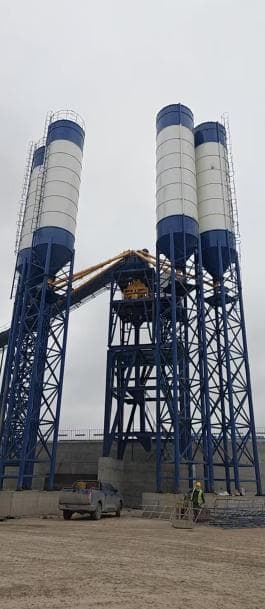
Documented MHZS120 configuration example
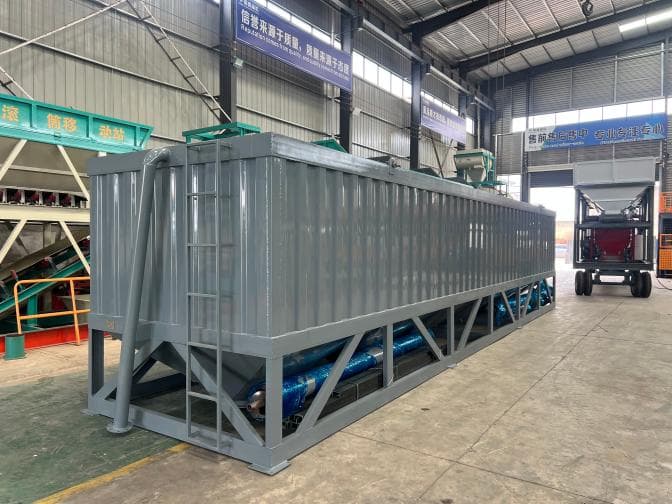
One GXZG MHZS120 project document specifies a 920 L cement scale with a 200–1,200 kg range, a 600 L water scale, and a 60 L admixture scale with a 10–60 kg range. The same document states ±1% accuracy for cement, water and admixture, and ±2% for independent aggregate weighing. These figures describe one documented configuration and are not universal specifications for every plant.
Calibration and control
Load cells should be checked regularly with reference weights. Zero drift, mechanical friction, pipes touching the hopper, adhered material and vibration can all cause errors. Controlled recipe permissions, logged manual corrections and a batch record for each cycle strengthen quality control.
When selecting a plant, ask not only about the mixer model but also the range, accuracy, cycle speed and calibration method of every dosing system.
Documented MHZS120 dosing configuration
| Scale | One MHZS120 project example | Stated accuracy |
|---|---|---|
| Cement | 920 L; 200–1,200 kg | ±1% |
| Water | 600 L | ±1% |
| Admixture | 60 L; 10–60 kg | ±1% |
| Aggregate | Independent weighing | ±2% |
← suring →