Concrete Grades and Strength Classes: M100–M500 and B Classes
“We need M300 concrete” is a common purchasing statement, but a professional specification normally includes more than a grade. It may define compressive-strength class, workability, frost resistance, water impermeability, maximum aggregate size, test age and exposure requirements. Treating M and B as identical, or selecting a mixture from the M designation alone, can therefore lead to an incomplete order.
What does the M grade mean?
M is a traditional indication of compressive strength expressed in kgf/cm². The name M300, for example, was historically associated with an average strength near 300 kgf/cm². It remains common in commercial quotations and everyday construction language.
Because an M grade is close to an average-strength concept, it does not fully describe production variability or a specified level of reliability. Structural design documents therefore normally rely on the B class.
What does the B class mean?
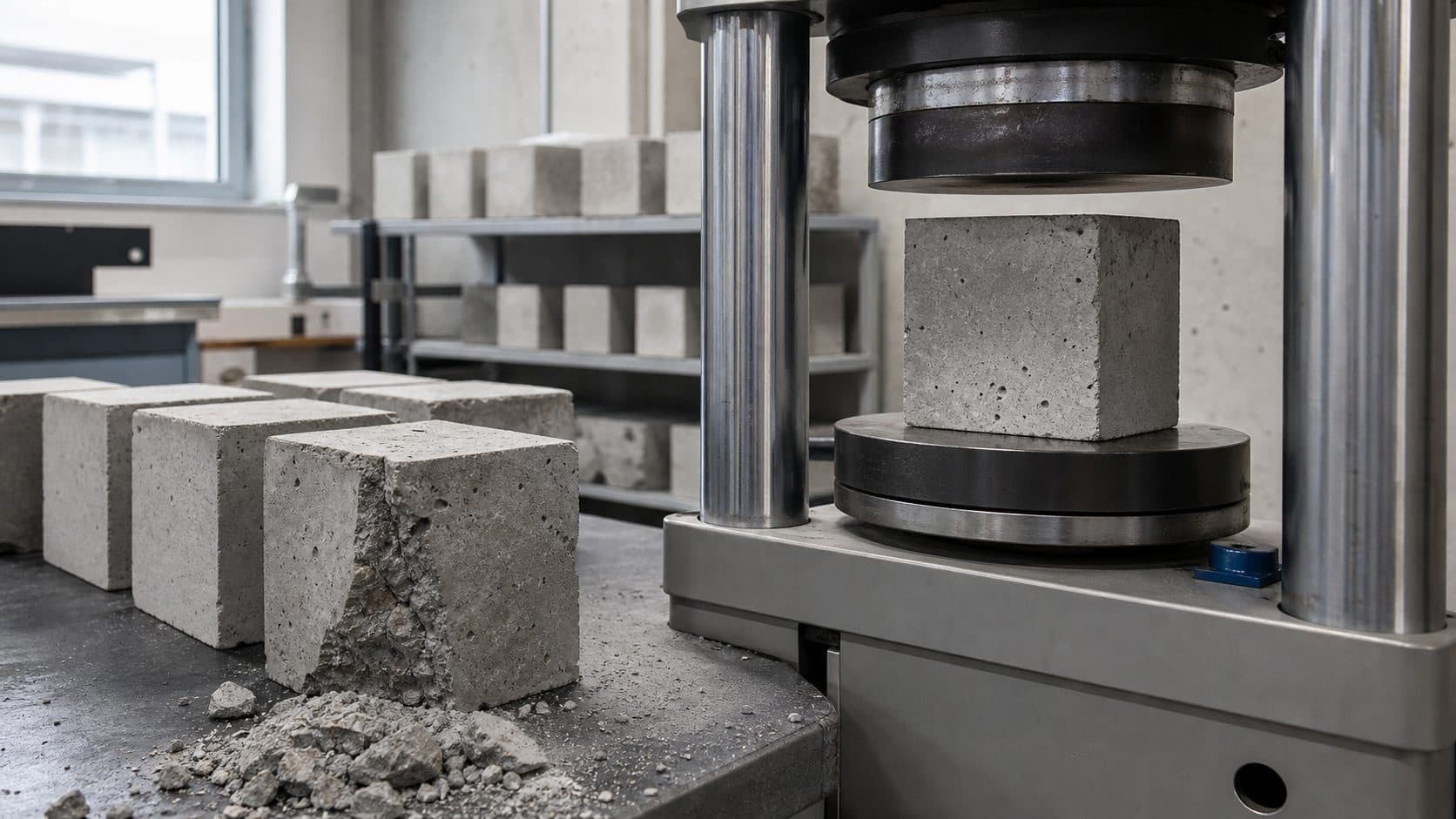
B is a specified compressive-strength class expressed in MPa. B22.5 indicates a characteristic compressive-strength requirement of 22.5 MPa at the stated age and under the applicable control procedure. Compliance is not established by one successful specimen; it depends on representative sampling, proper curing, test results and statistical production control.
M and B use different evaluation logic, so their relationship is not a simple unit conversion.
Common M and B designations
The following combinations are frequently used in Uzbekistan and CIS commercial practice. They do not replace the applicable project specification or standard.
Commercial grade | Frequently paired class | Important note |
|---|---|---|
M100 | B7.5 | Commonly associated with preparatory or lightly loaded work; the project determines use |
M150 | B10 or B12.5 | Published tables differ; state the B class explicitly |
M200 | B15 | A common local designation |
M250 | B20 | Strength only; P, F and W are selected separately |
M300 | B22.5 | Widely used pairing in Uzbekistan |
M350 | B25 | Used for project-specified structural concrete |
M400 | B30 | For higher strength requirements defined by design |
M450 | B35 | Requires suitable materials and tighter quality control |
M500 | Confirm from the project | Do not automatically equate M500 with B40; verify the governing class and standard |
How to read a full concrete designation
For example, BST B22.5 P3 F50 W4 communicates several independent requirements:
B22.5 — compressive-strength class;
P3 — workability or mobility group;
F50 — frost-resistance grade;
W4 — water-impermeability grade.
A project may also specify cement type, maximum aggregate size, chloride limits, air content, density, fresh-concrete temperature and the age at which strength is assessed. “M300” alone does not say whether the concrete is pumpable, suitable for congested reinforcement, or durable in wet and freezing exposure.
How should concrete be selected?
Selection starts with structural design and service conditions. A foundation, column, industrial floor, pavement, hydraulic structure and precast element may have the same strength class but different workability, frost and permeability requirements.
Before ordering, confirm:
the project B class and strength-assessment age;
the P class or slump required for placing and compaction;
the required F and W grades;
whether pumping is required;
maximum aggregate size in relation to reinforcement spacing;
restrictions on cement, supplementary materials and admixtures;
sampling, acceptance and laboratory-control procedures.
What is the batching plant’s role?
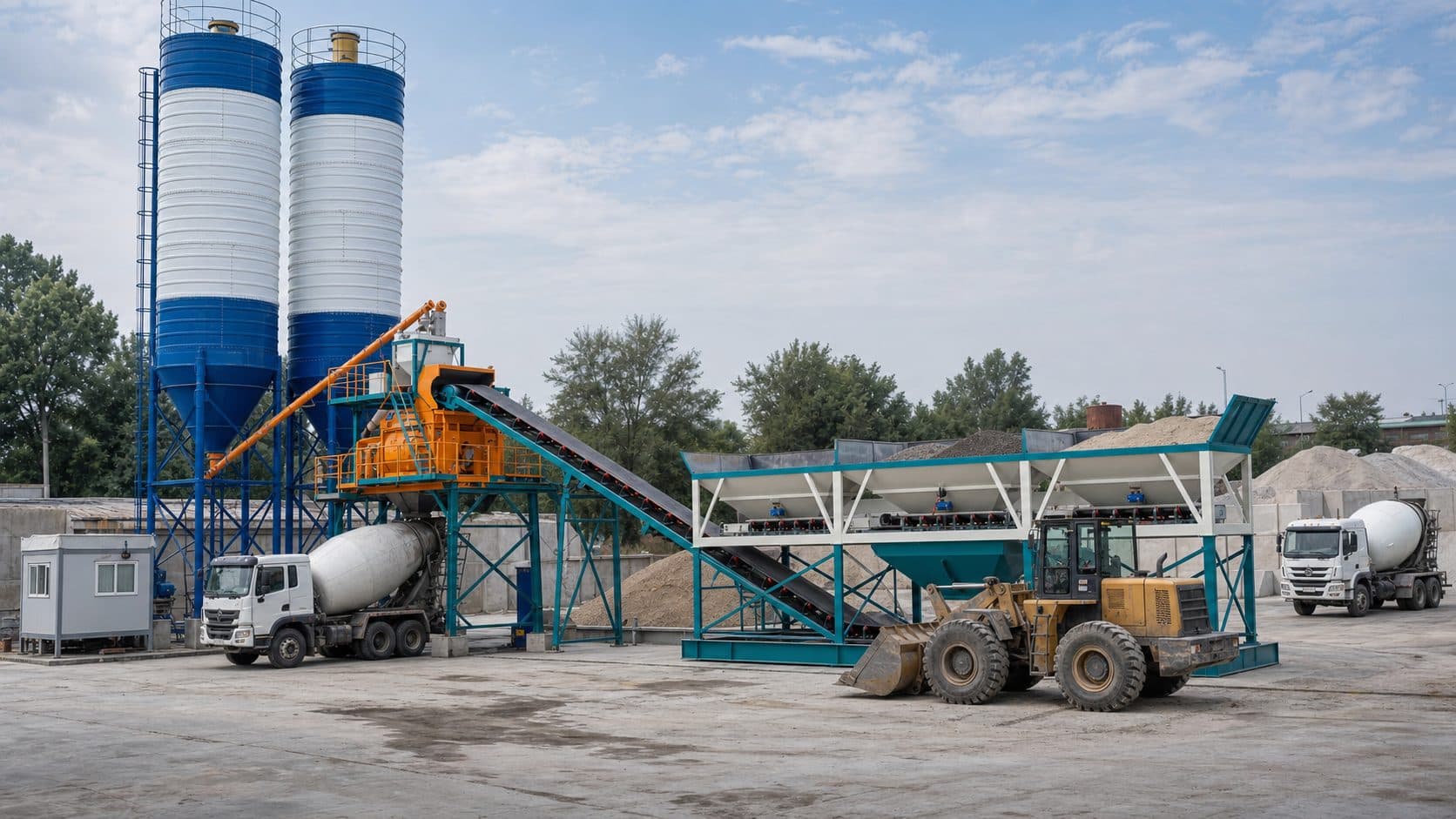
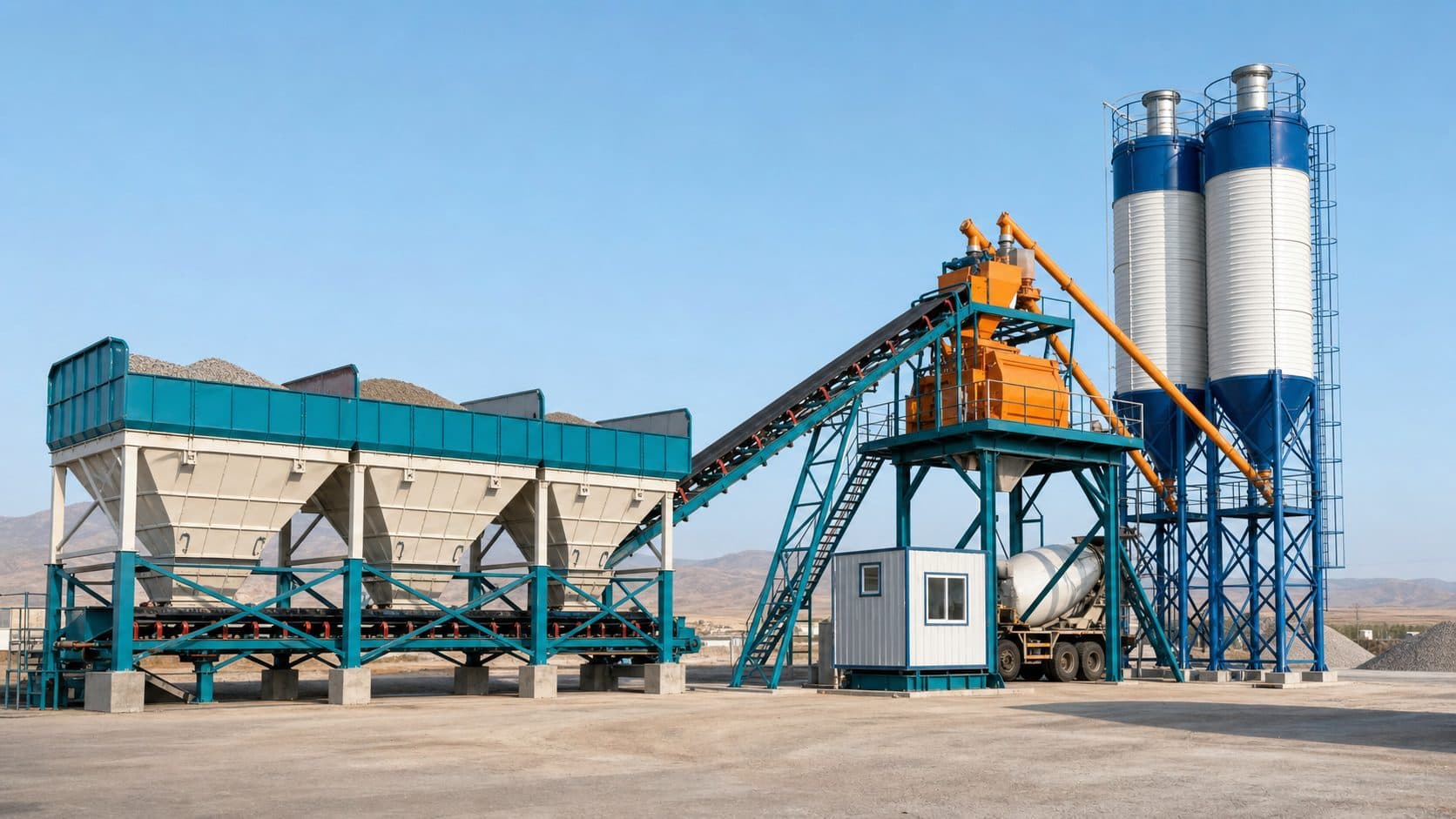
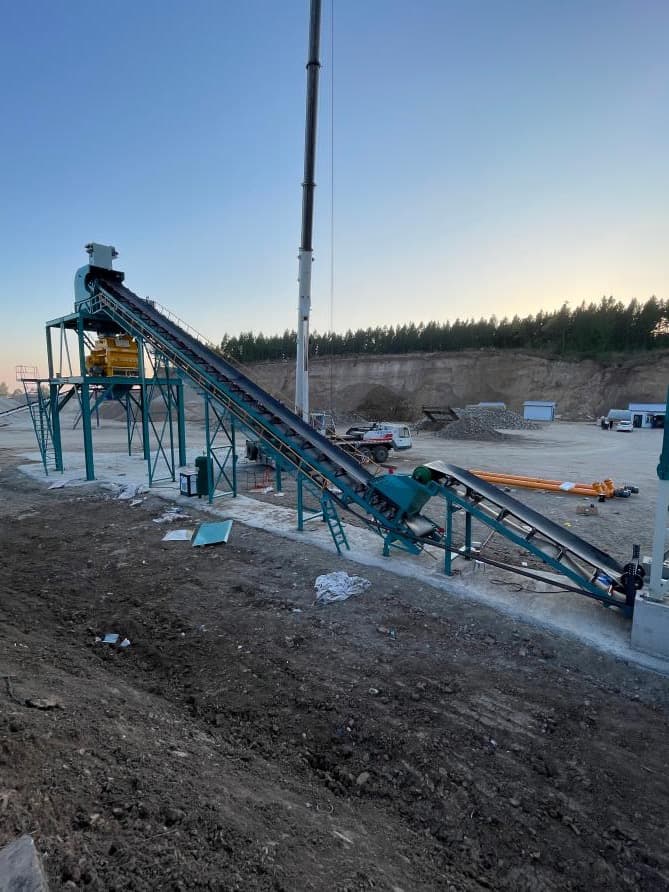
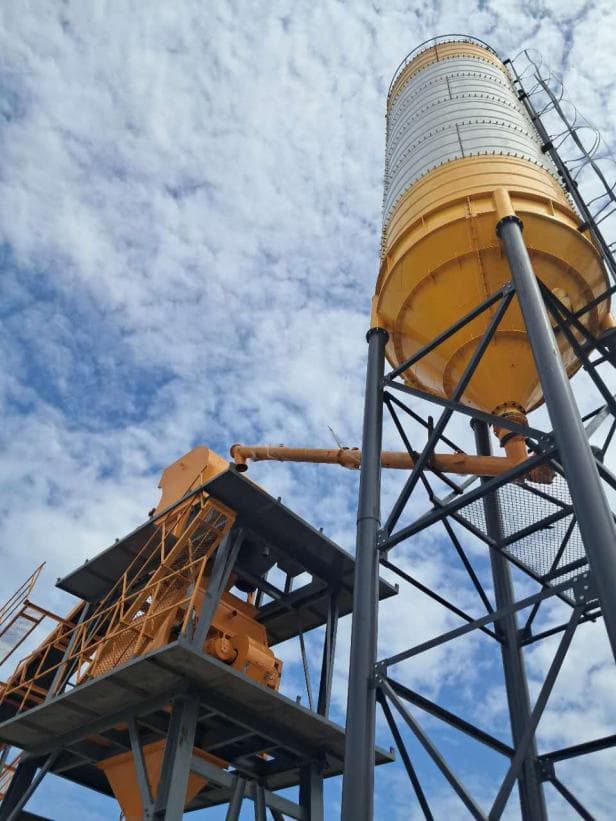
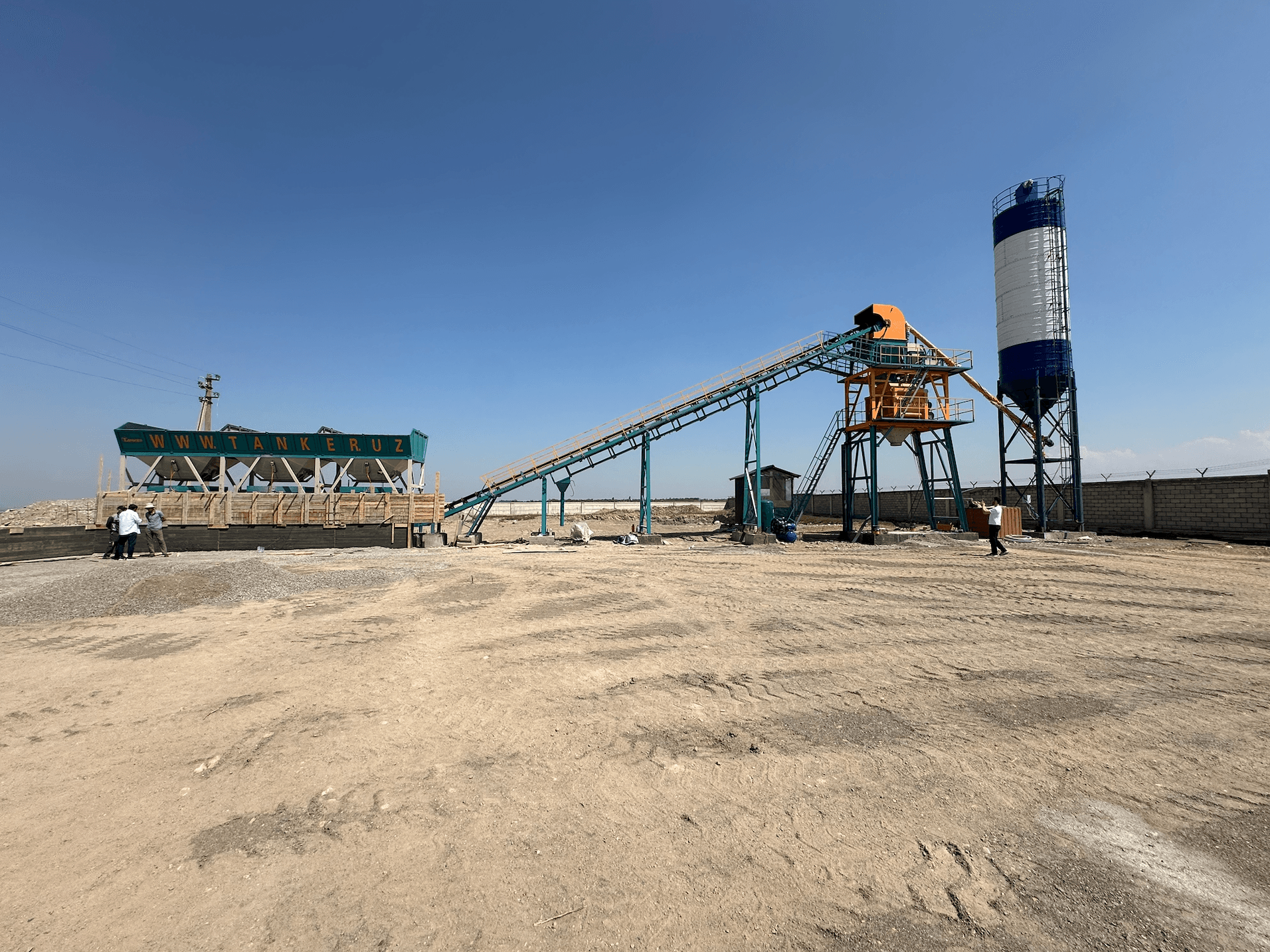
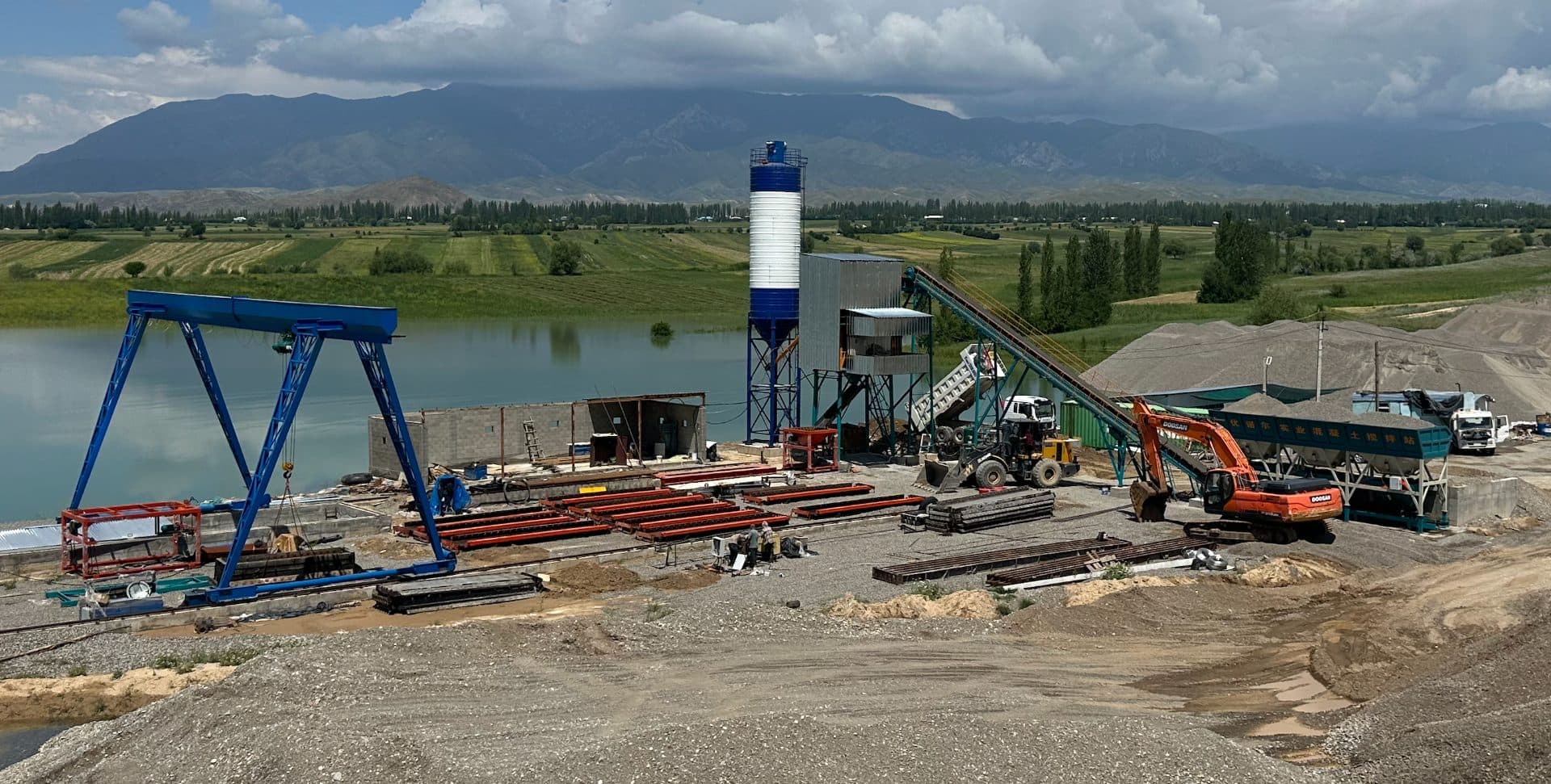
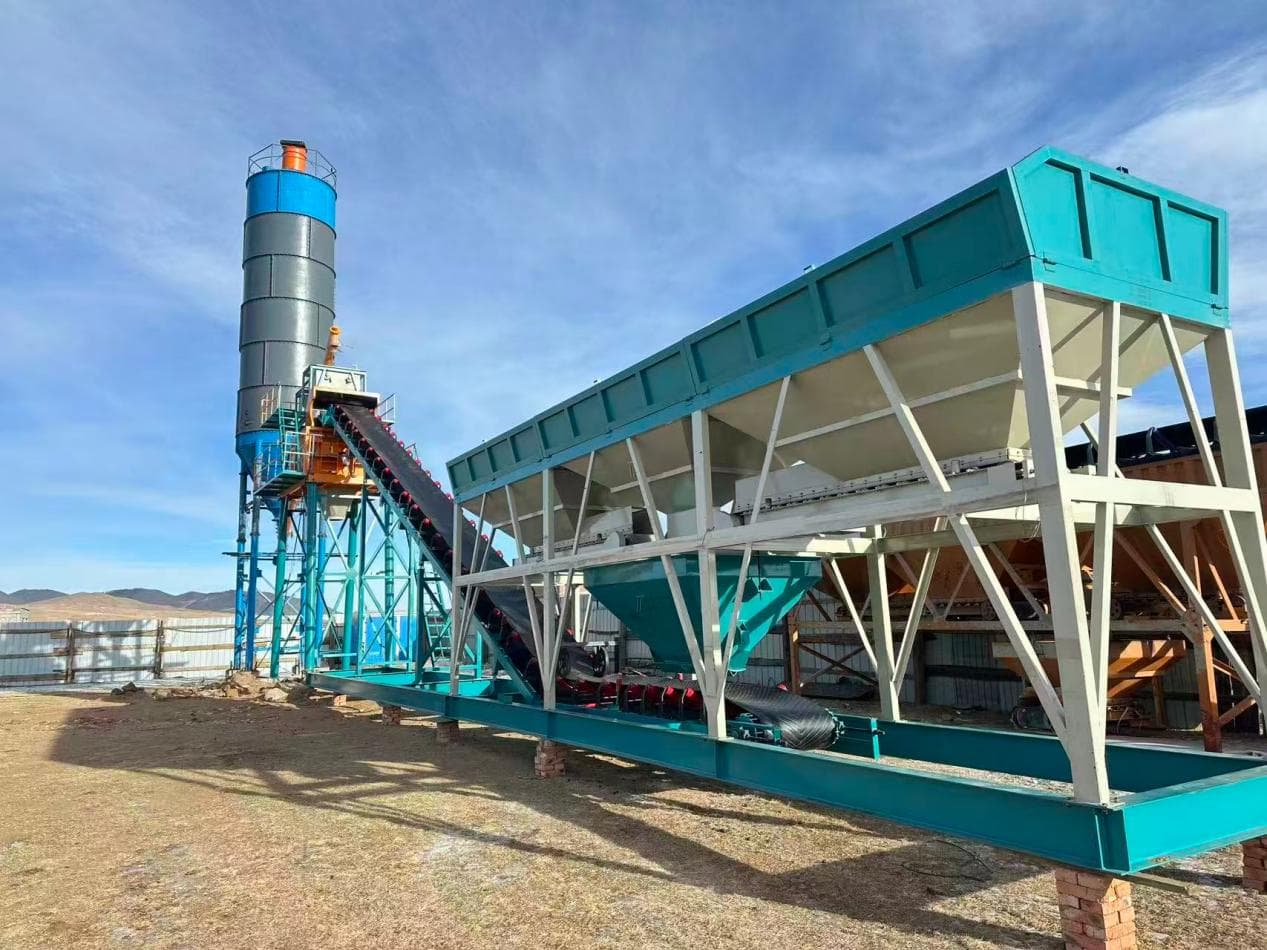
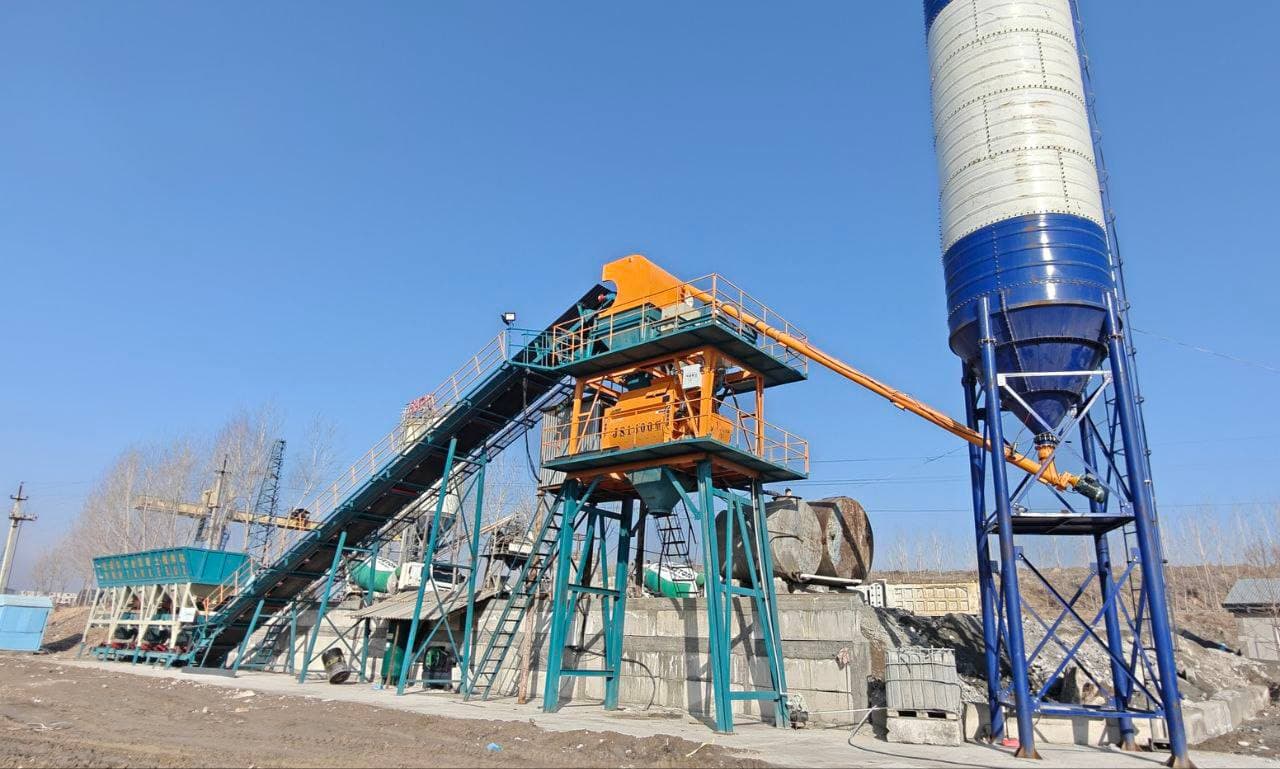
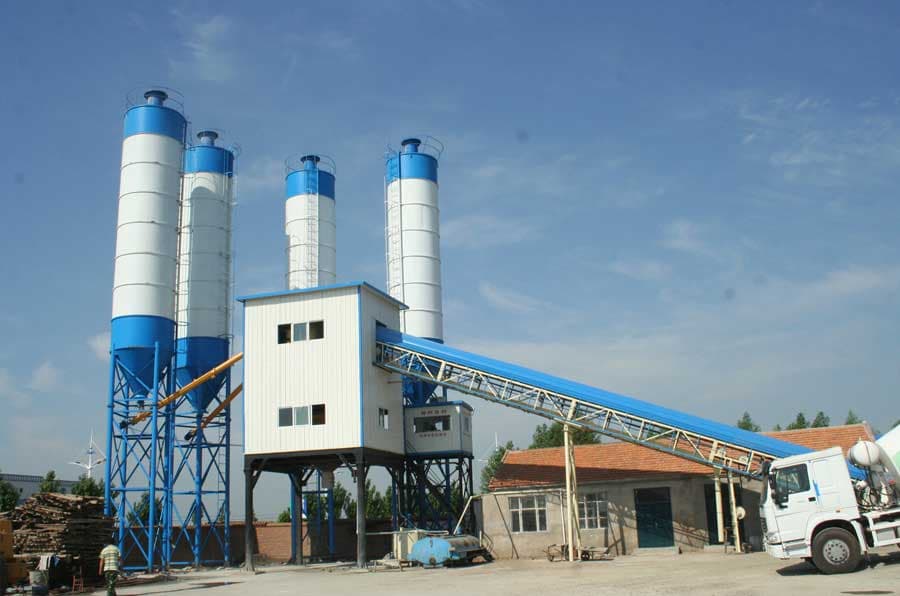
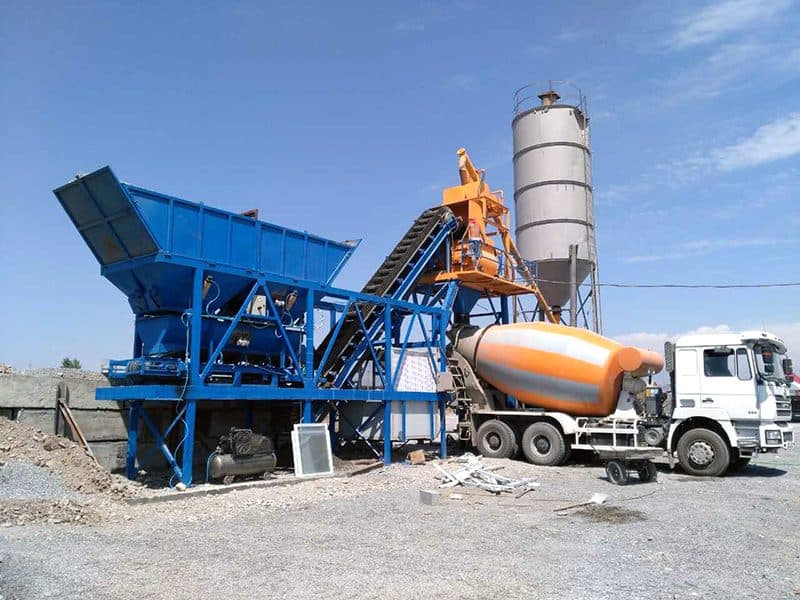
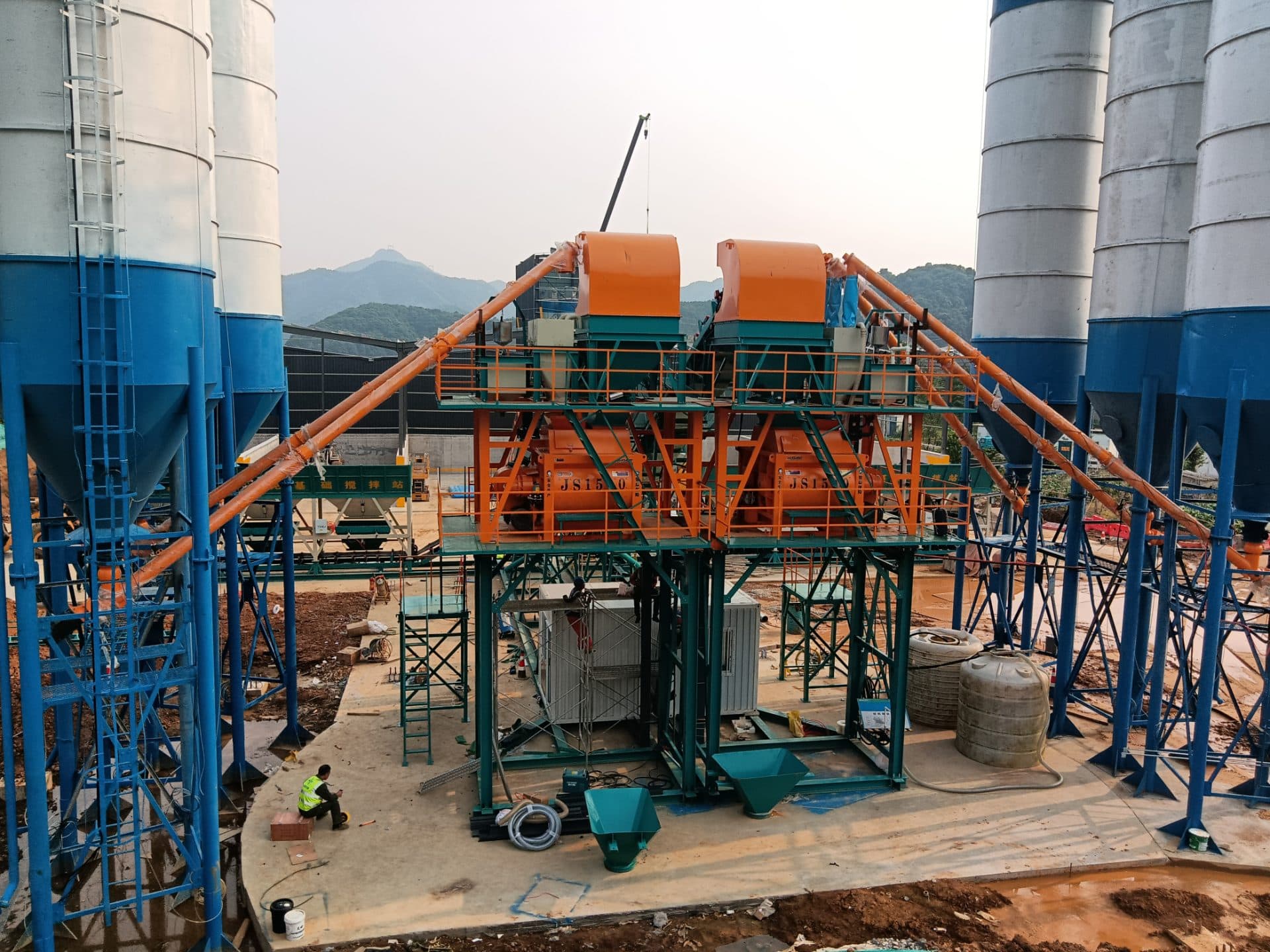
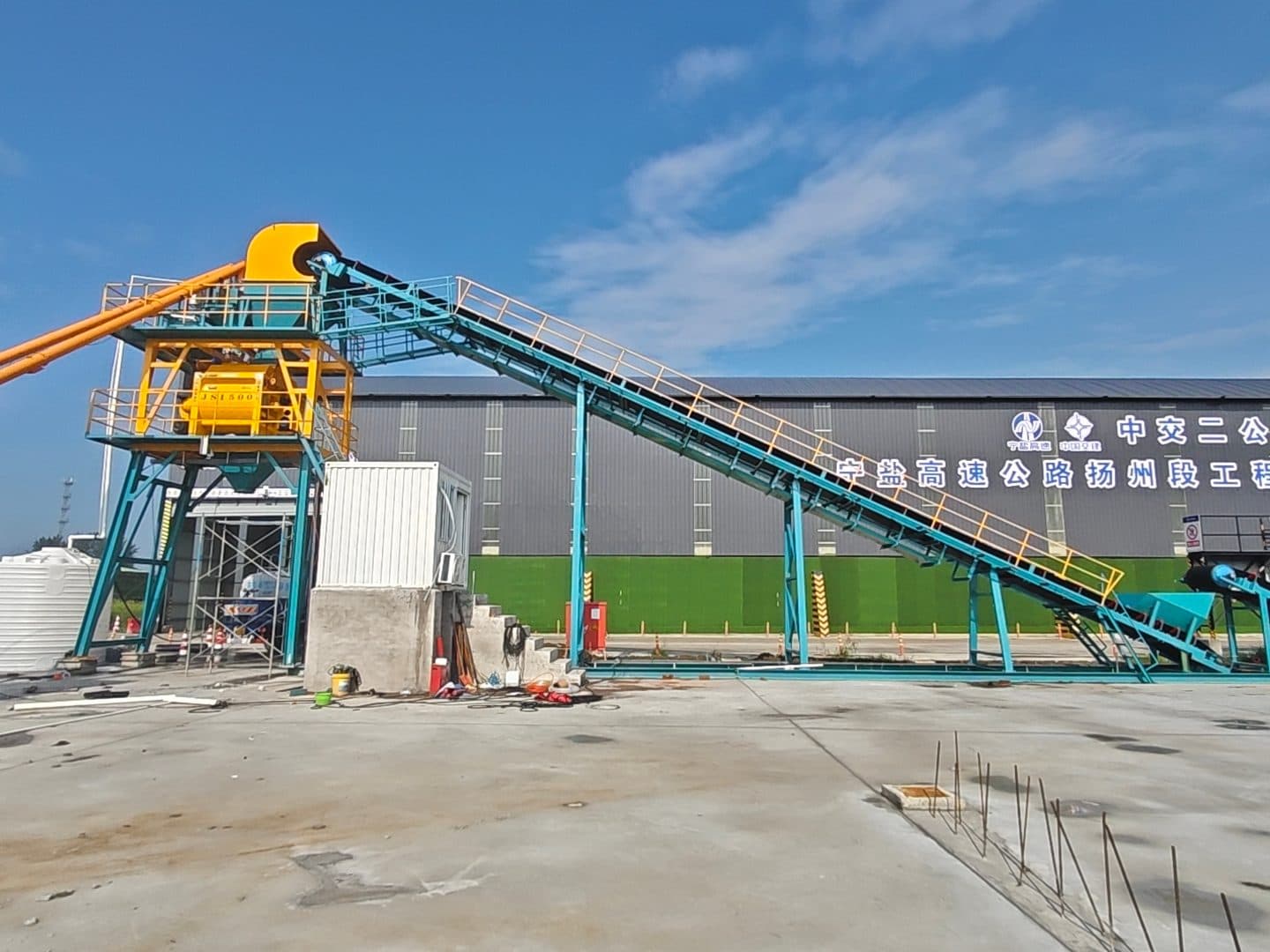
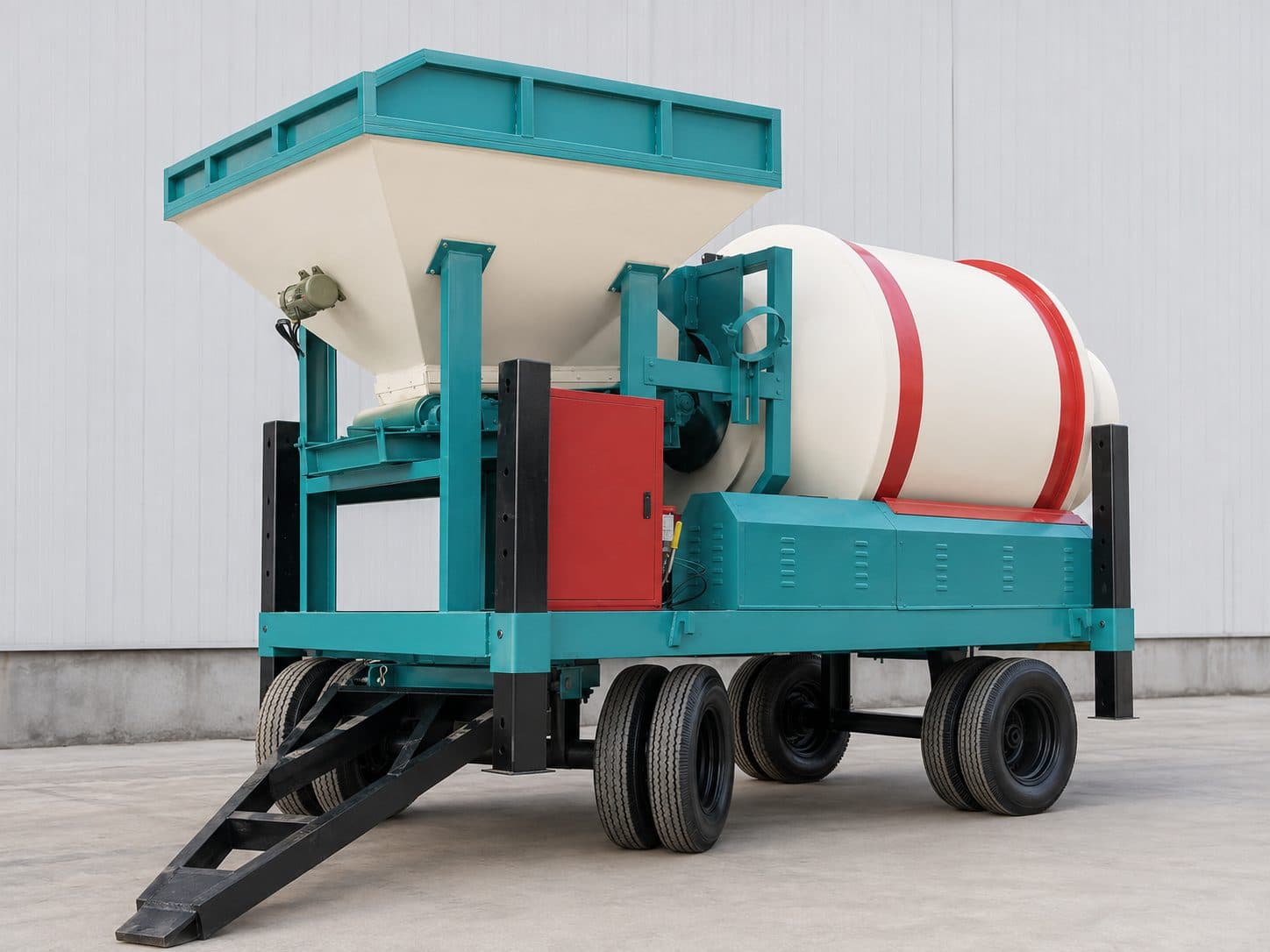
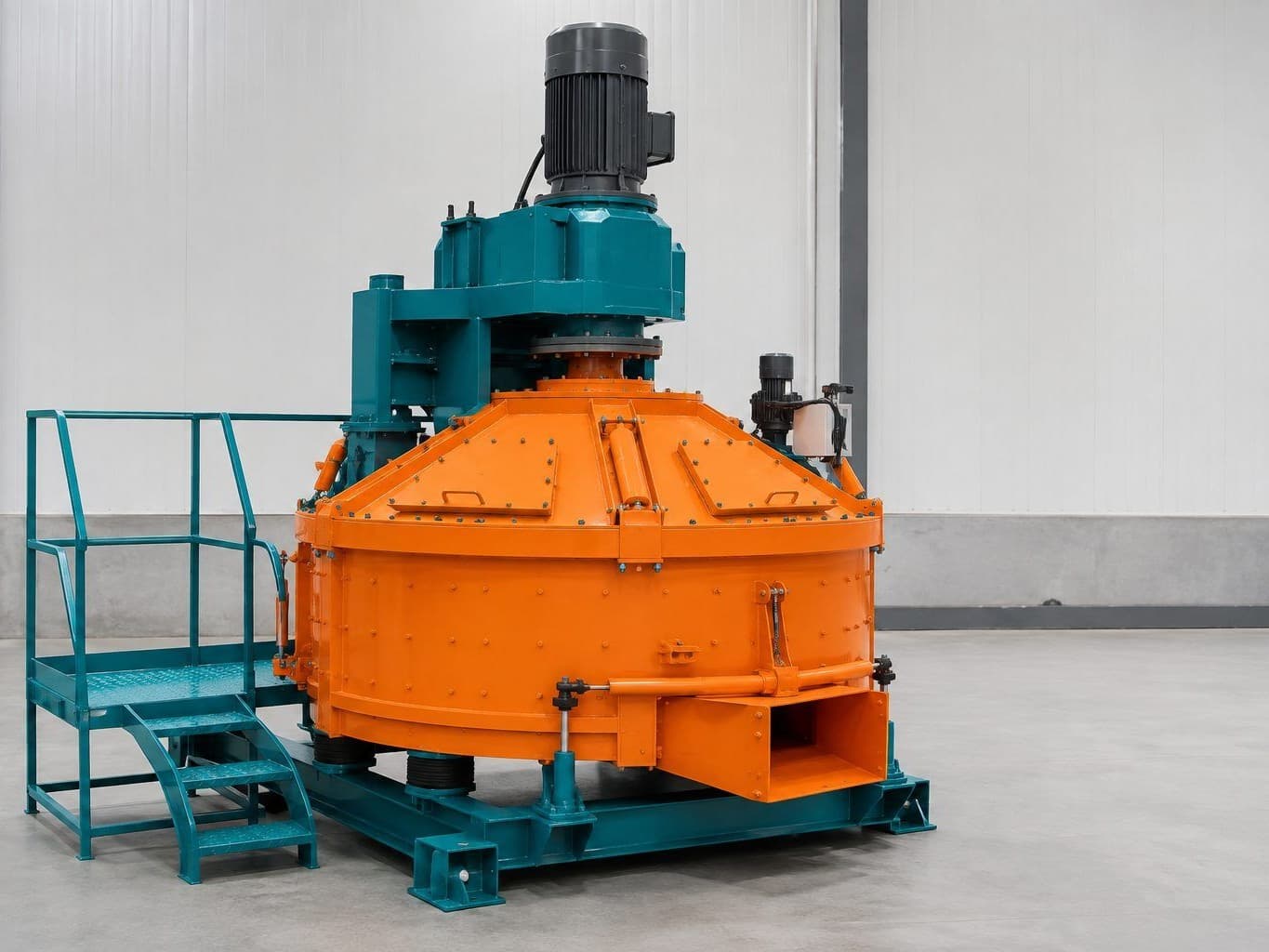
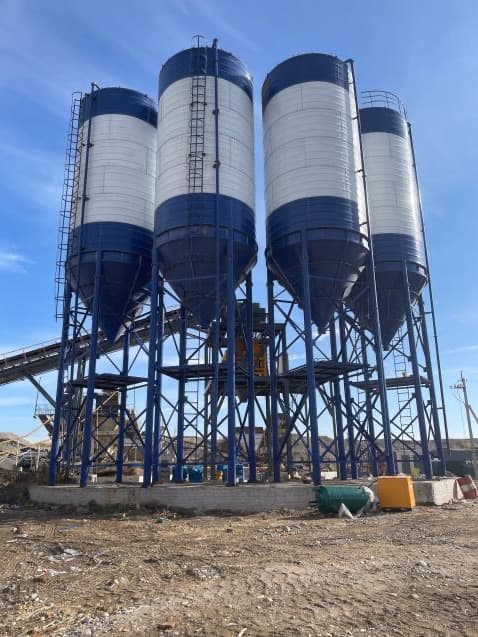
A batching plant does not create a strength class by itself. The result comes from verified materials, an approved mixture, production discipline, placing, curing and testing. The plant’s task is to reproduce the approved mixture consistently from batch to batch.
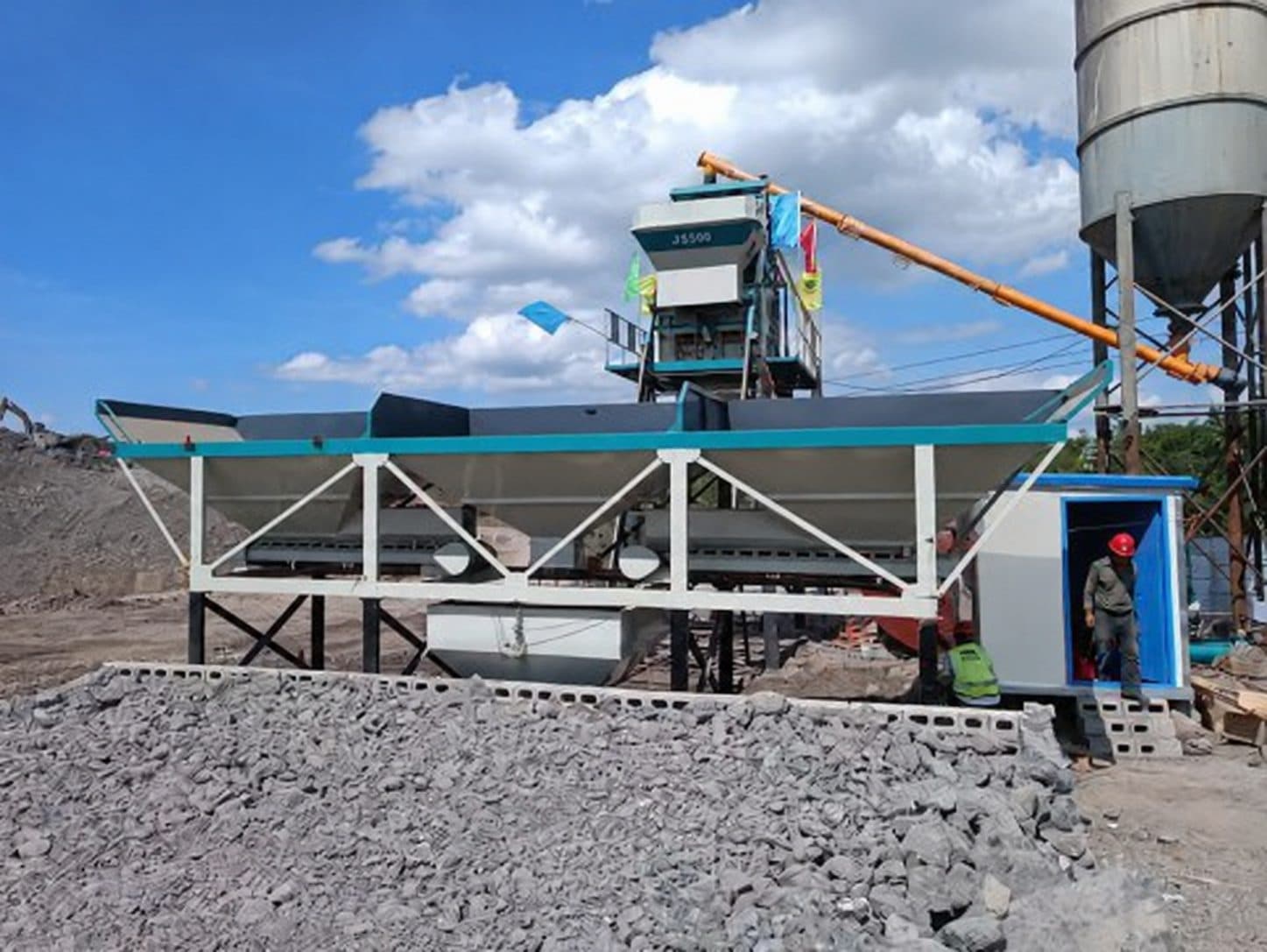
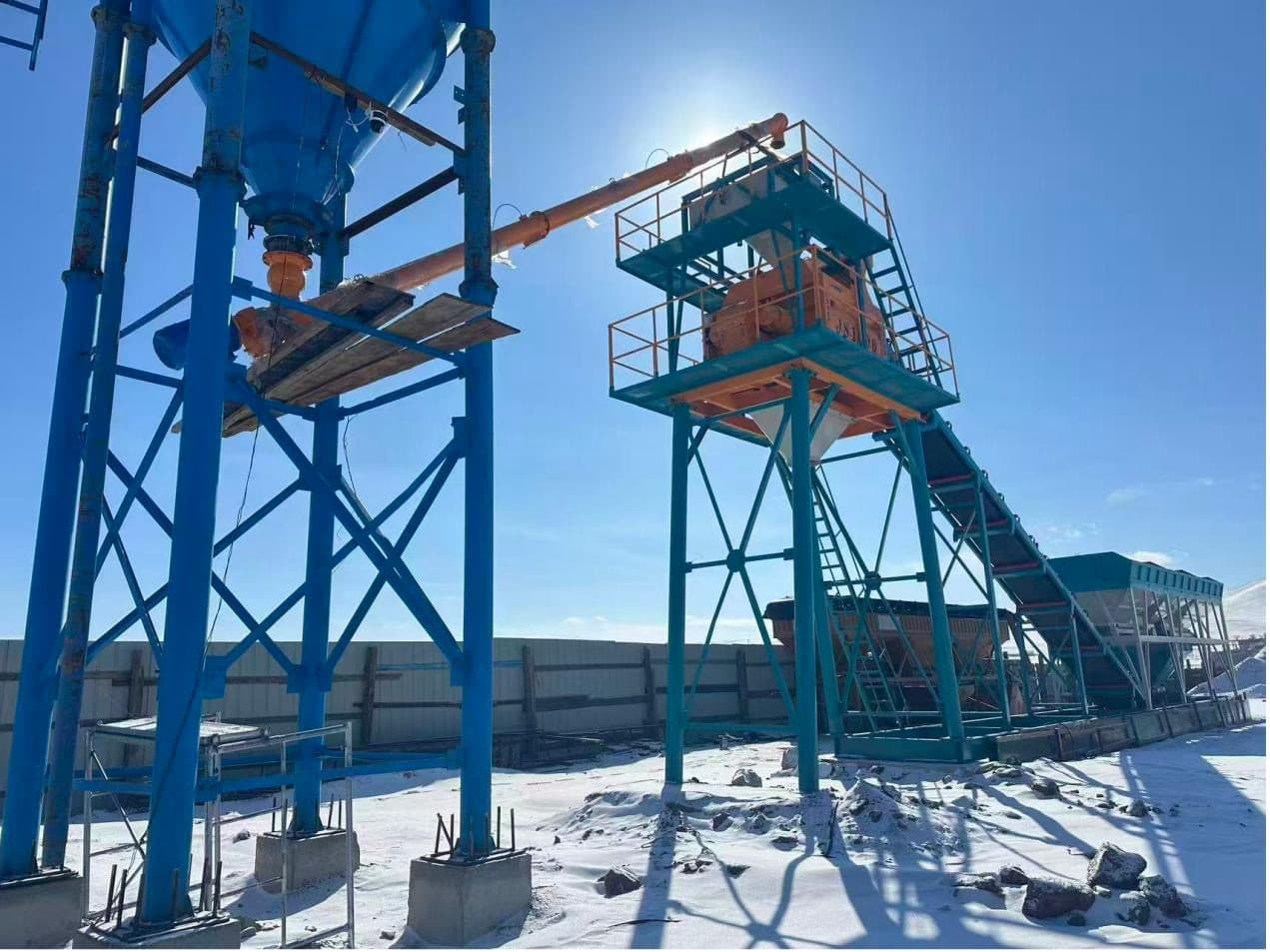
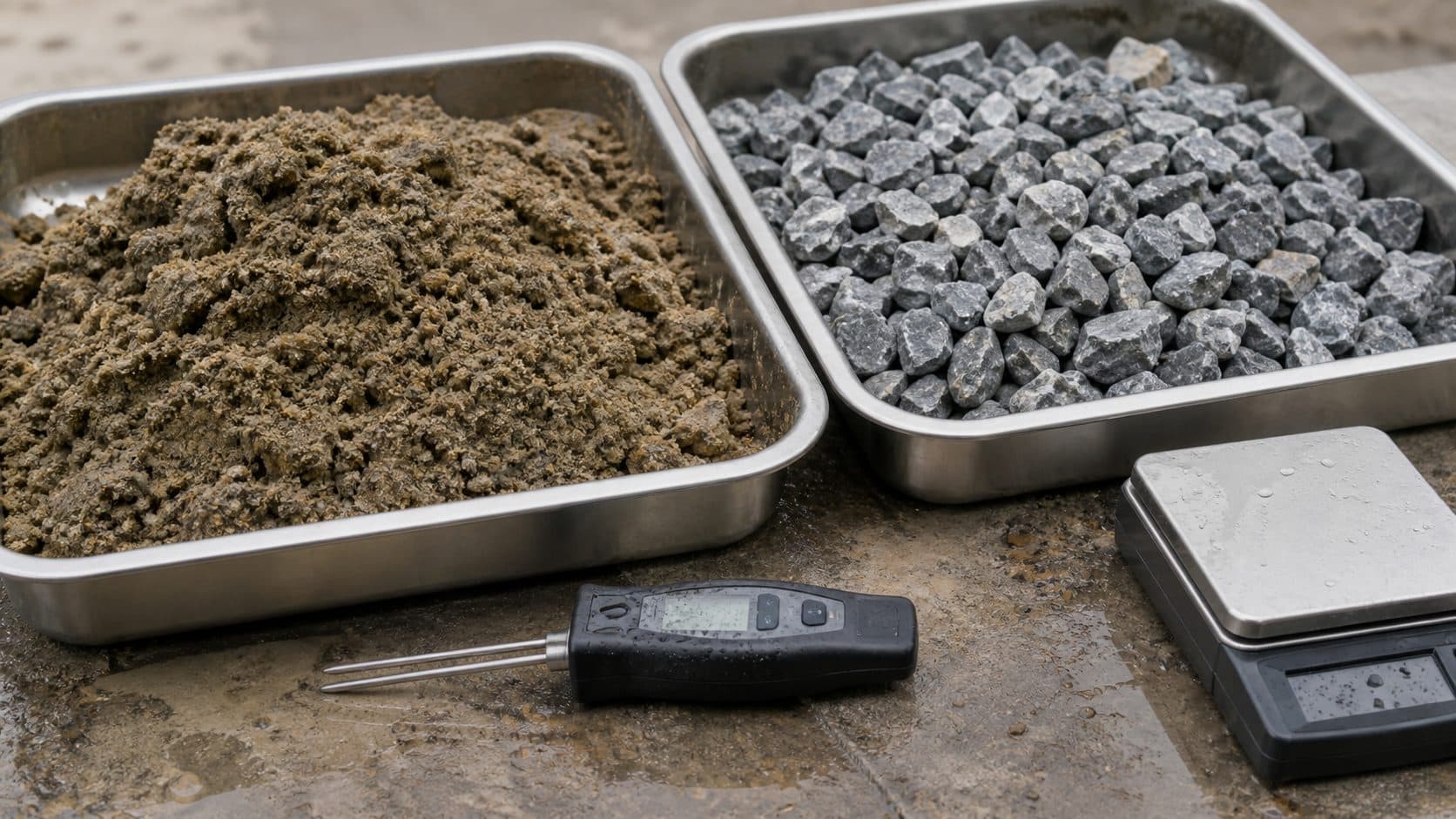
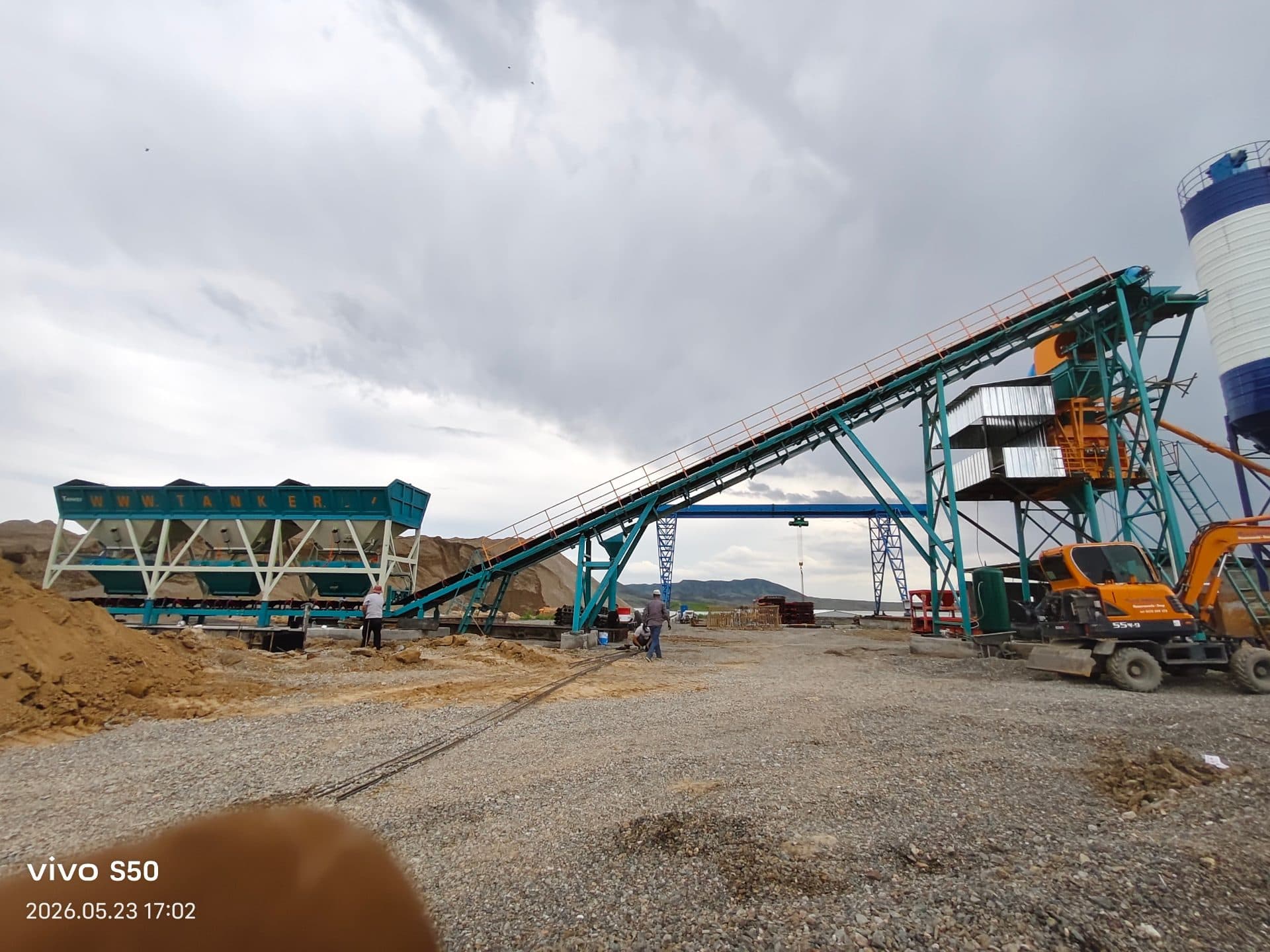
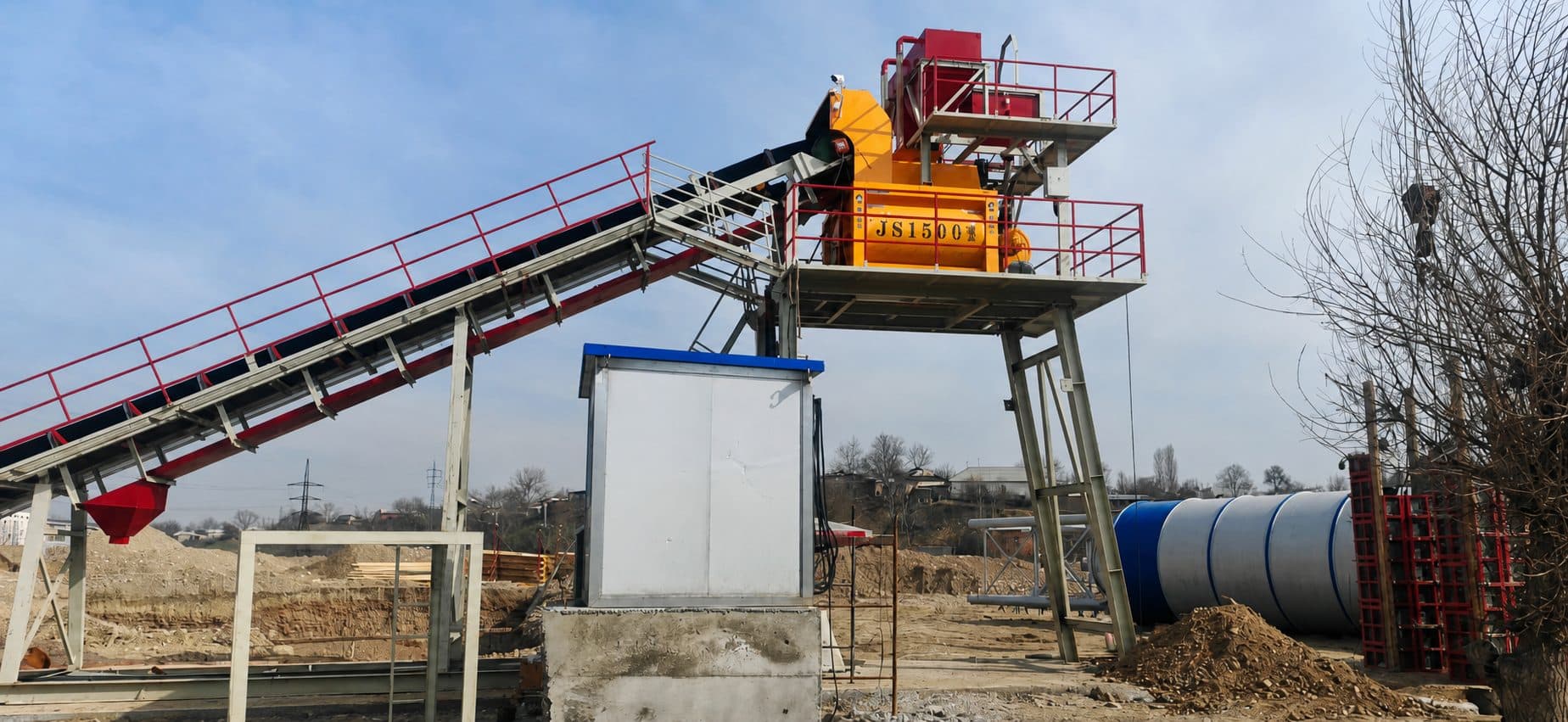
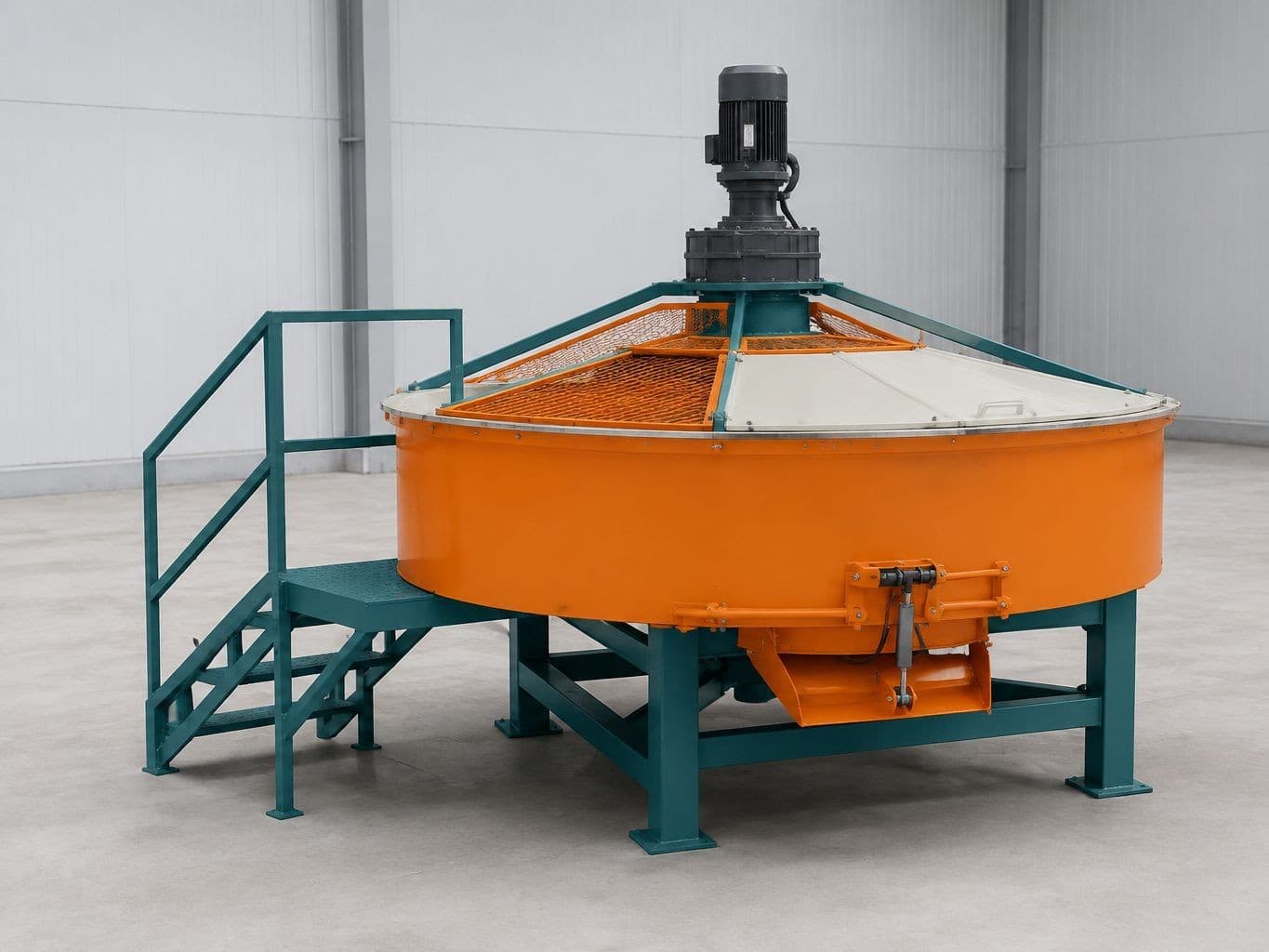
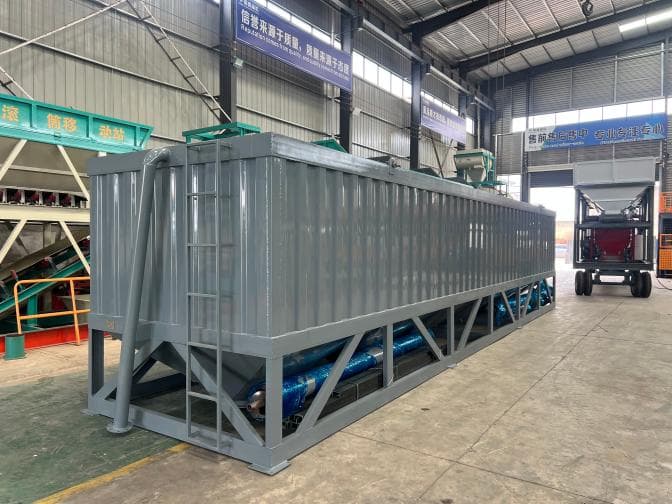
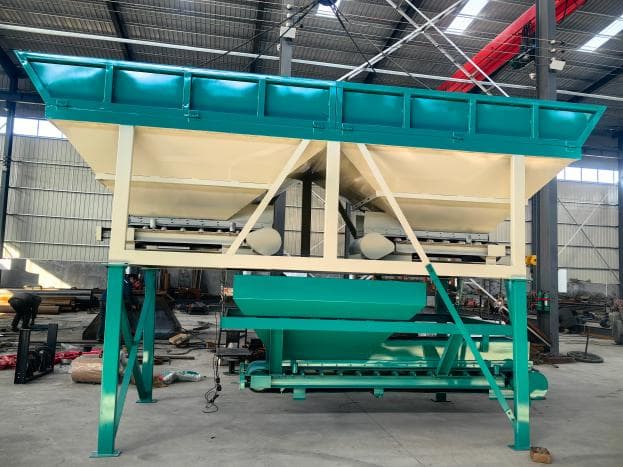
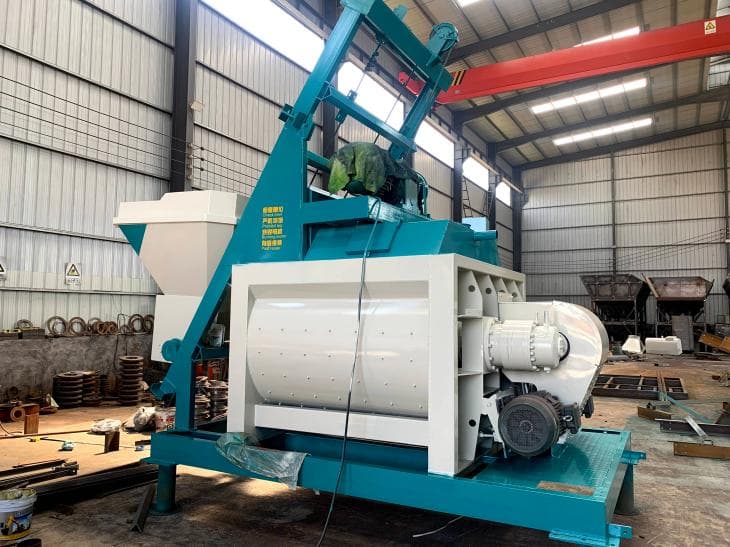
Accurate weighing of aggregate, cement, water and admixture, moisture correction, controlled recipes, sufficient mixing and batch records all support this repeatability. When selecting a TANKER plant, buyers should evaluate the weighing system, moisture-correction method, admixture channels, mixer and production reporting—not only the nominal m³/h capacity.
Ordering checklist
State the B class, not only the M grade.
Define P, F and W separately.
Confirm test age and acceptance method.
Tell the supplier how the concrete will be pumped, placed and compacted.
Prevent uncontrolled jobsite water addition.
Retain the recipe code and batch data on delivery records.
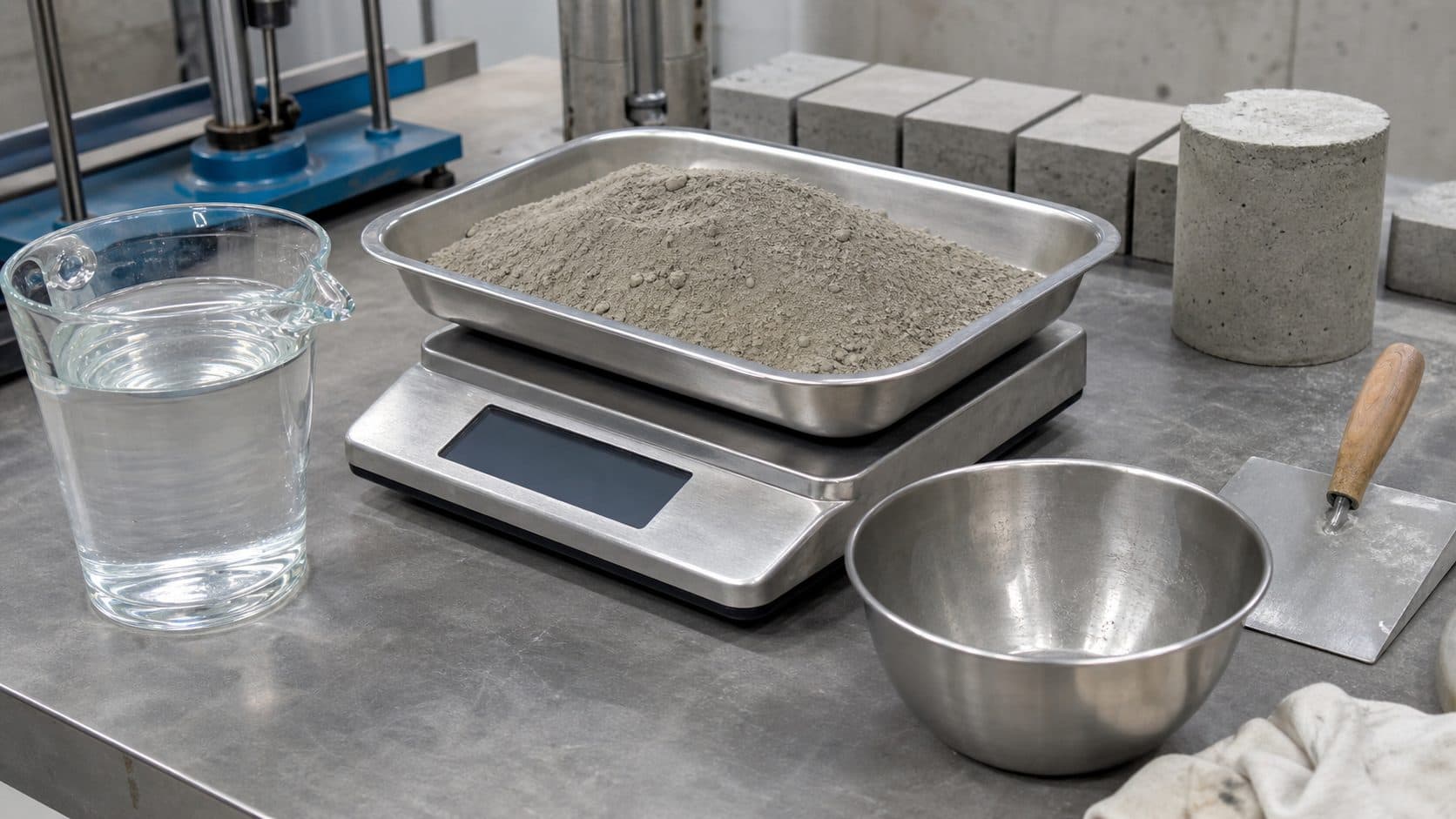
Verify performance using properly prepared and cured specimens.
FAQ
Are M300 and B22.5 always identical?
They are a widely used commercial pairing in Uzbekistan, but they come from different evaluation systems. It is safer to state the B class and specify P, F and W separately in the contract and project documents.
Is a higher grade always better?
No. An unnecessarily high class may increase binder content, heat generation, shrinkage, cost and production complexity. Concrete should match the design and exposure conditions.
Can the B class be achieved simply by adding more cement?
No. Water-to-cementitious-materials ratio, aggregate quality and moisture, admixtures, mixing, placing, compaction, curing and test control all matter.
Conclusion
M100–M500 terminology is useful for understanding the market, but a professional concrete order is built around the B class and the additional properties required by the project. A complete technical specification enables the producer to select and repeatedly manufacture a verified mixture without ambiguous assumptions.
Inquiry: To configure a batching plant, provide the required output, concrete classes and workability, aggregate fractions, climate conditions and laboratory-control plan.