How to prepare a concrete batching plant for winter
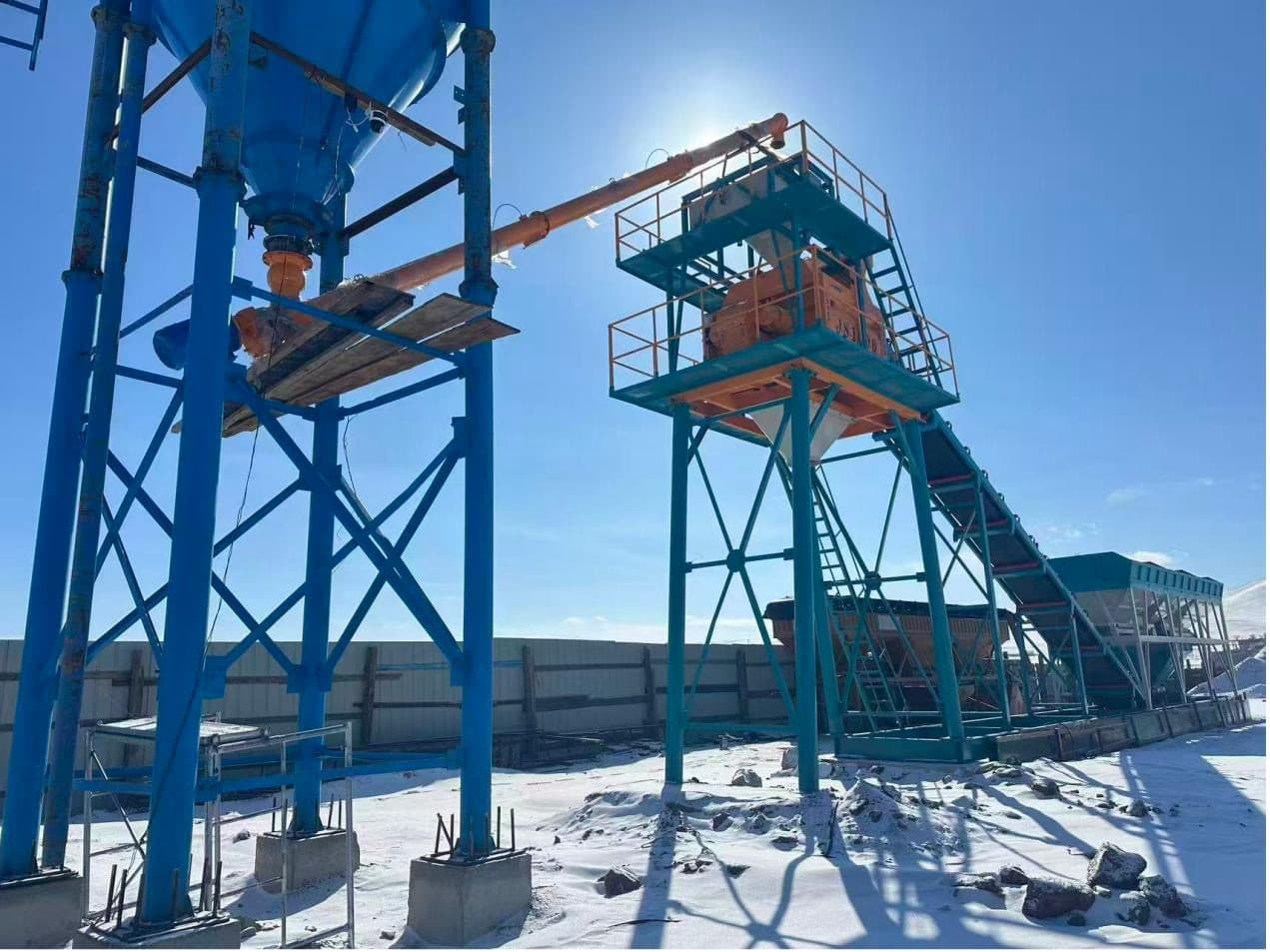
Winter operation changes the behaviour of aggregates, water, admixtures, pneumatic equipment and mechanical assemblies. A batching plant should therefore be prepared from a confirmed design temperature, the required concrete discharge temperature and the planned shift pattern. Insulation alone is not a complete winter solution.
The preparation plan should identify which systems must remain above freezing, how heat will be generated and distributed, how condensate will be removed and which checks operators must complete before every cold start.
1. Confirm the winter design conditions
Before selecting equipment, record the minimum design temperature, typical operating temperature, wind exposure, snowfall, working hours and required concrete temperature at mixer discharge and placement. A plant operating continuously at −10 °C has different needs from equipment that stands idle overnight at −25 °C.
Also confirm available fuel, boiler capacity, electrical reserve, water source and the local requirements for hot-water and steam systems. The winter package must be sized by heat-loss calculation and production demand, not only by the nominal plant model.
2. Protect aggregate from freezing
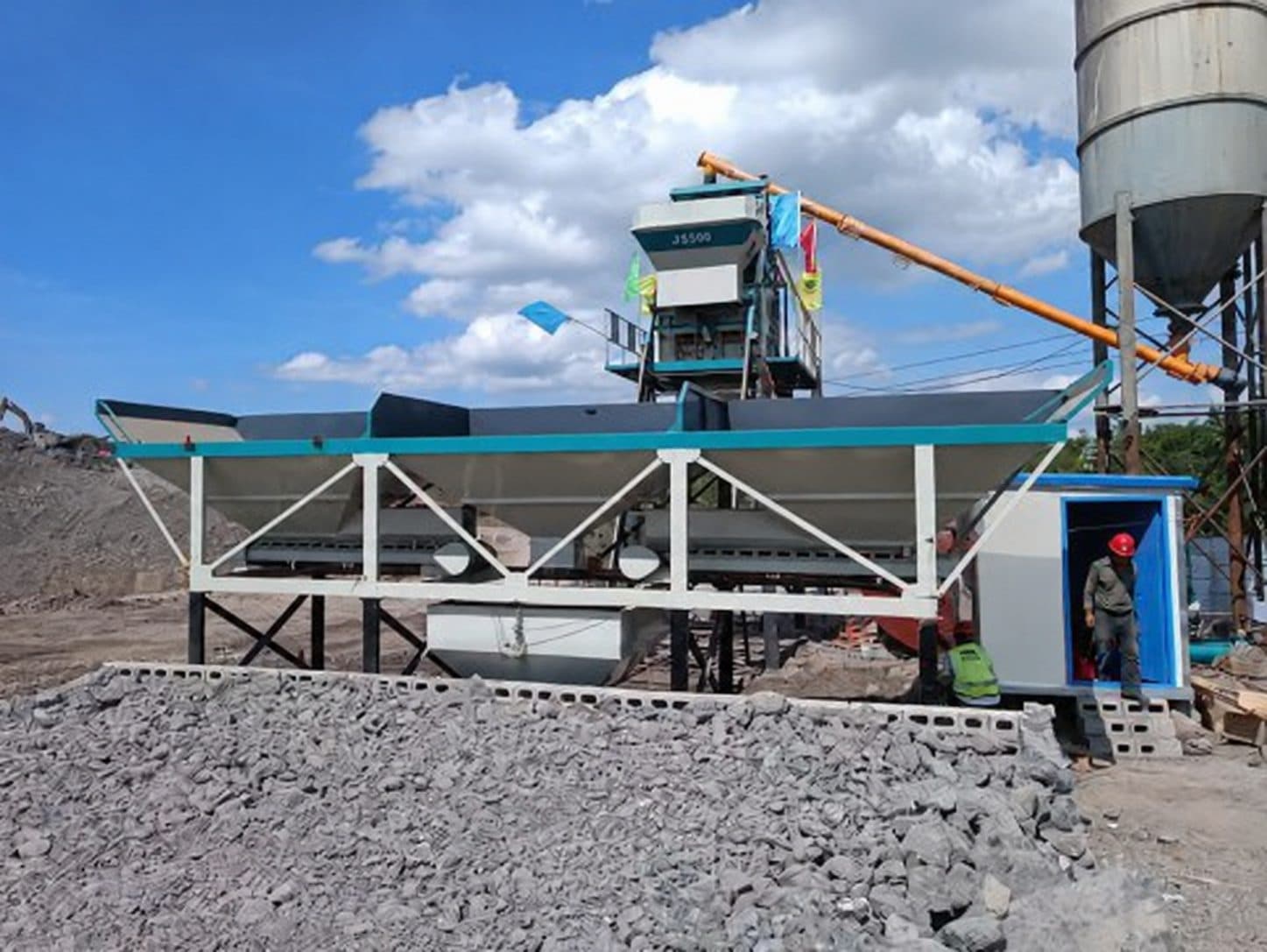
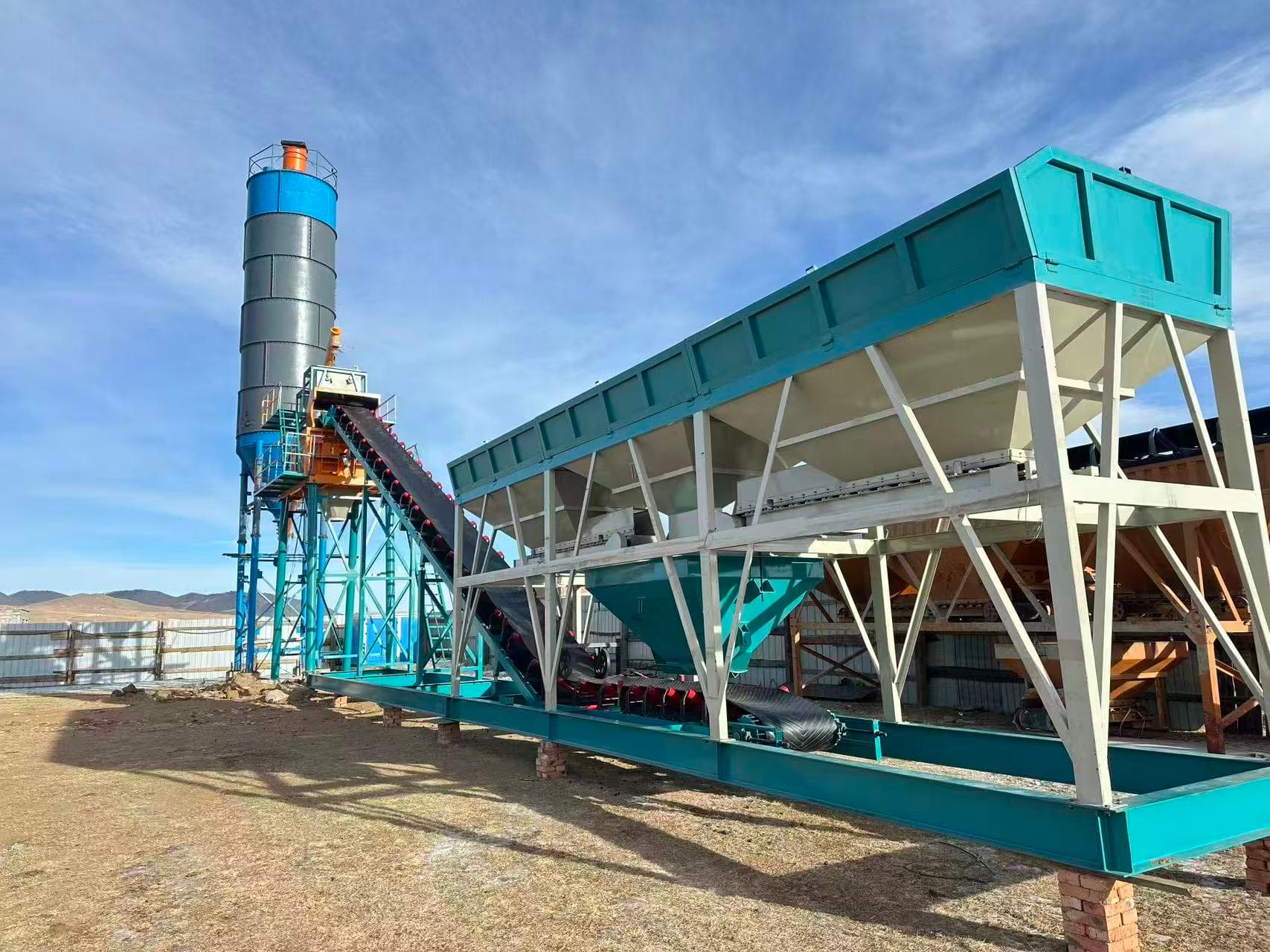
Frozen aggregate is one of the main causes of winter production loss. Ice changes free-water content, blocks bin outlets and feeders, reduces weighing consistency and lowers the concrete temperature.
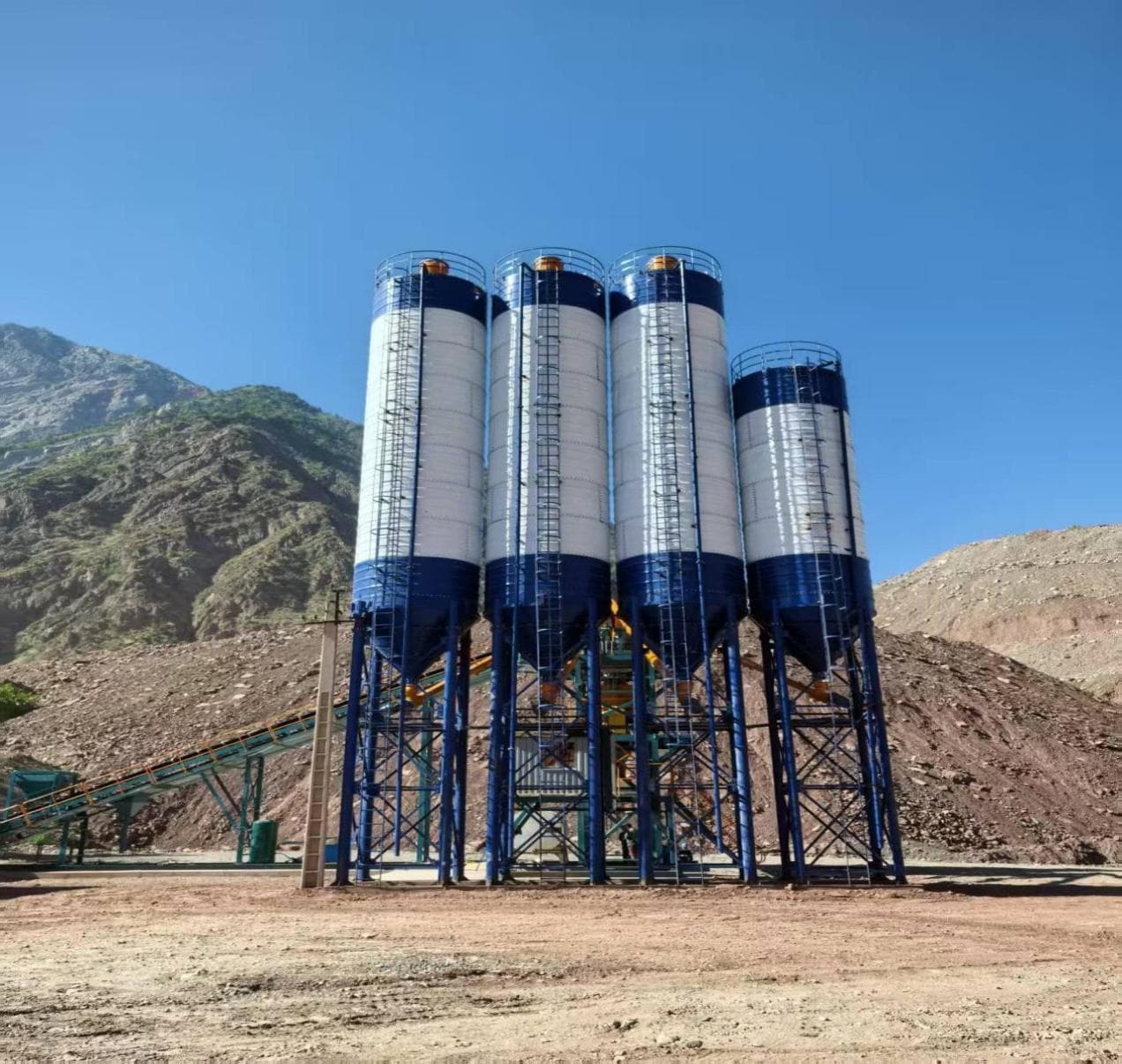
Use covered or enclosed aggregate storage where practical.
Separate drainage water so stockpiles do not freeze to the floor.
Avoid feeding large frozen lumps into bins.
Provide safe heating at bin outlets or within engineered hot-air channels when required.
Keep moisture testing active; frozen water must still be considered in the mix-water calculation.
Direct uncontrolled flame against bins or conveyors can damage paint, rubber components, wiring and sensors and creates a serious fire risk. Heating arrangements should be engineered and guarded.
3. Heat and circulate process water
Water tanks, pumps, meters and exposed pipework require freeze protection. The system may include an insulated storage tank, boiler or heat exchanger, circulation loop, trace heating and drain points.
Water temperature must be controlled. Excessively hot water can cause flash setting or damage admixture performance when it contacts cement directly. The charging sequence may need to mix hot water with aggregates before cement enters the mixer. The concrete technologist should approve the allowable temperatures and sequence.
4. Protect admixture circuits
Chemical admixtures can become more viscous, separate or crystallize at low temperature. Consult the supplier's storage limits and do not assume every product can be heated in the same way.
Insulate tanks, pumps, hoses and dosing pipes.
Use controlled room heating or approved trace heating where necessary.
Maintain circulation only when recommended for the product.
Calibrate the scale or flow meter under winter operating conditions.
Keep incompatible admixtures in separate circuits.
Viscosity changes can extend dosing time and reduce repeatability, so the first batches should be checked carefully.
5. Keep cement and powder systems dry
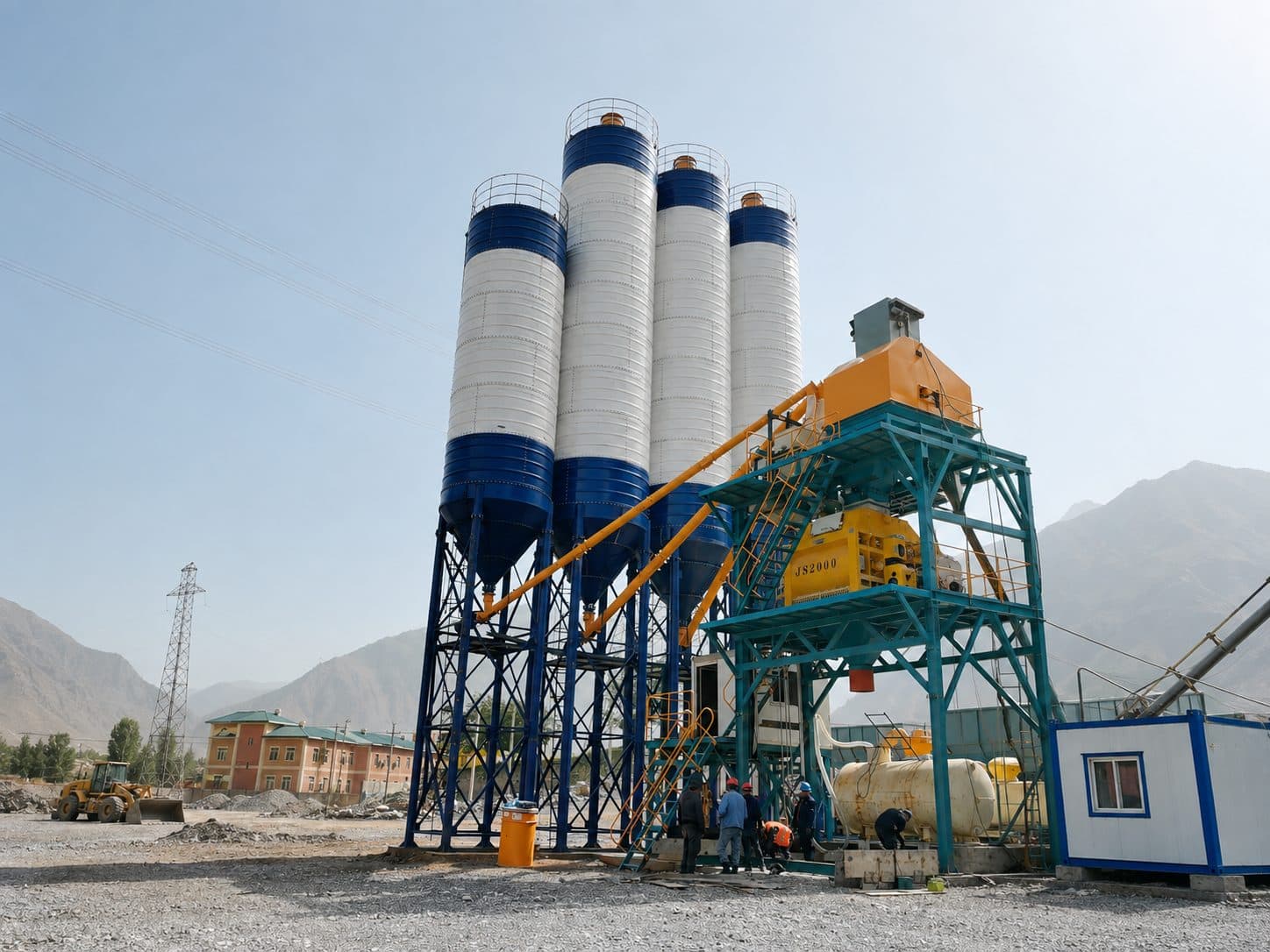
Cement does not normally require heating, but moisture and condensation must be prevented. Inspect silo filters, pressure-relief valves, level indicators, screw-conveyor seals and aeration systems. Condensation can cause powder buildup, poor flow and blockages in screws or scale hoppers.
Compressed-air lines serving aeration pads should supply clean, dry air. Powder scales and flexible connections should remain enclosed from snow and wind, with access for inspection and cleaning.
6. Prepare the pneumatic system
Moisture in compressed air can freeze in valves, cylinders and silencers. Before winter:
service the compressor and confirm cold-temperature lubricant suitability;
drain the receiver and low points;
inspect the air dryer and filters;
repair leaks that cause the compressor to cycle excessively;
protect exposed valves and tubing from wind and moisture;
verify operating pressure while several cylinders move simultaneously.
A frozen discharge-gate cylinder can stop the entire plant even when all materials are available.
7. Mixer, discharge gate and cleaning
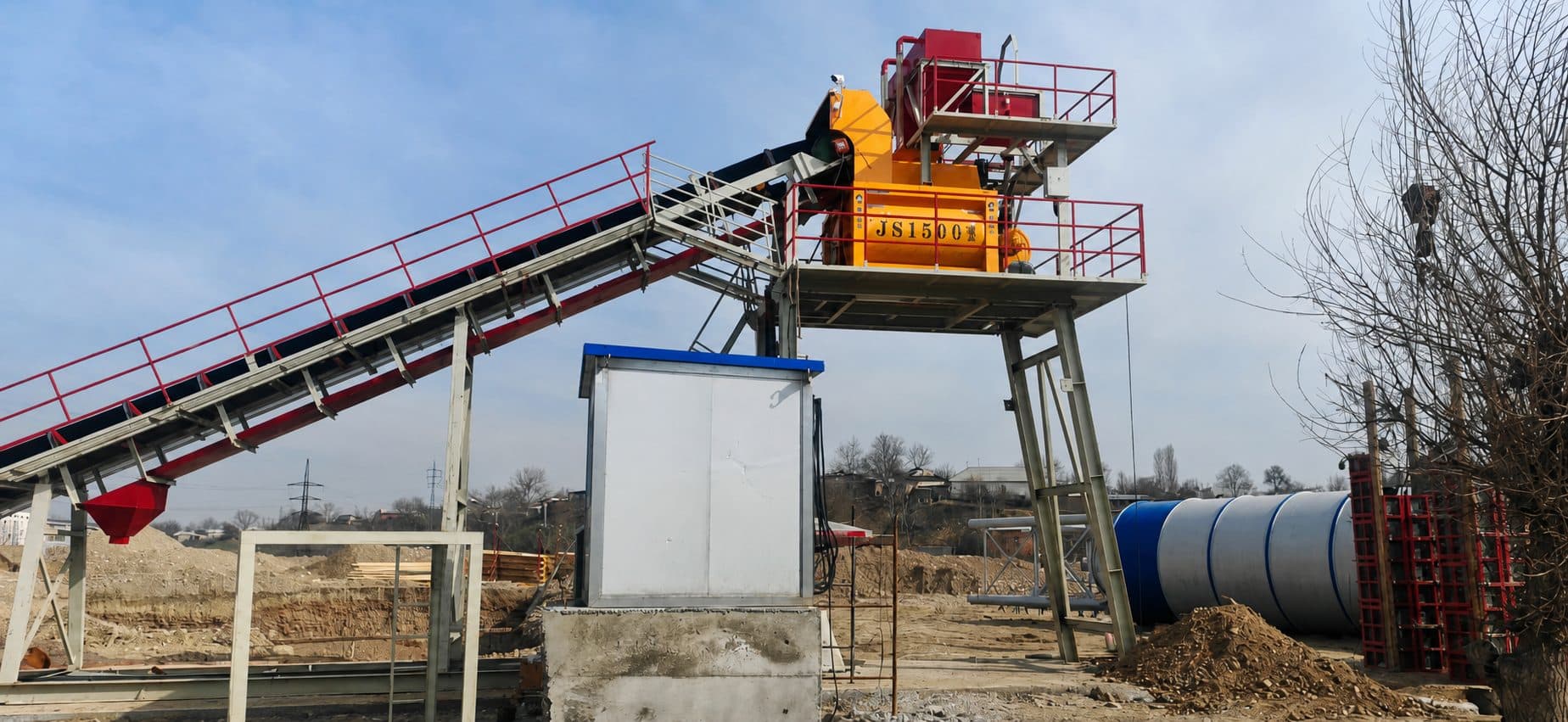
Residual concrete and wash water freeze quickly. At the end of production, clean the mixer, discharge gate, skip or belt discharge zones and truck-loading area before the temperature falls. Drain water from hoses and wash systems that are not continuously heated.
Check mixer-door seals, limit switches, lubrication lines and manual release procedures. Never enter the mixer until electrical isolation, lockout and mechanical securing procedures have been completed.
8. Conveyors, bearings and lubrication
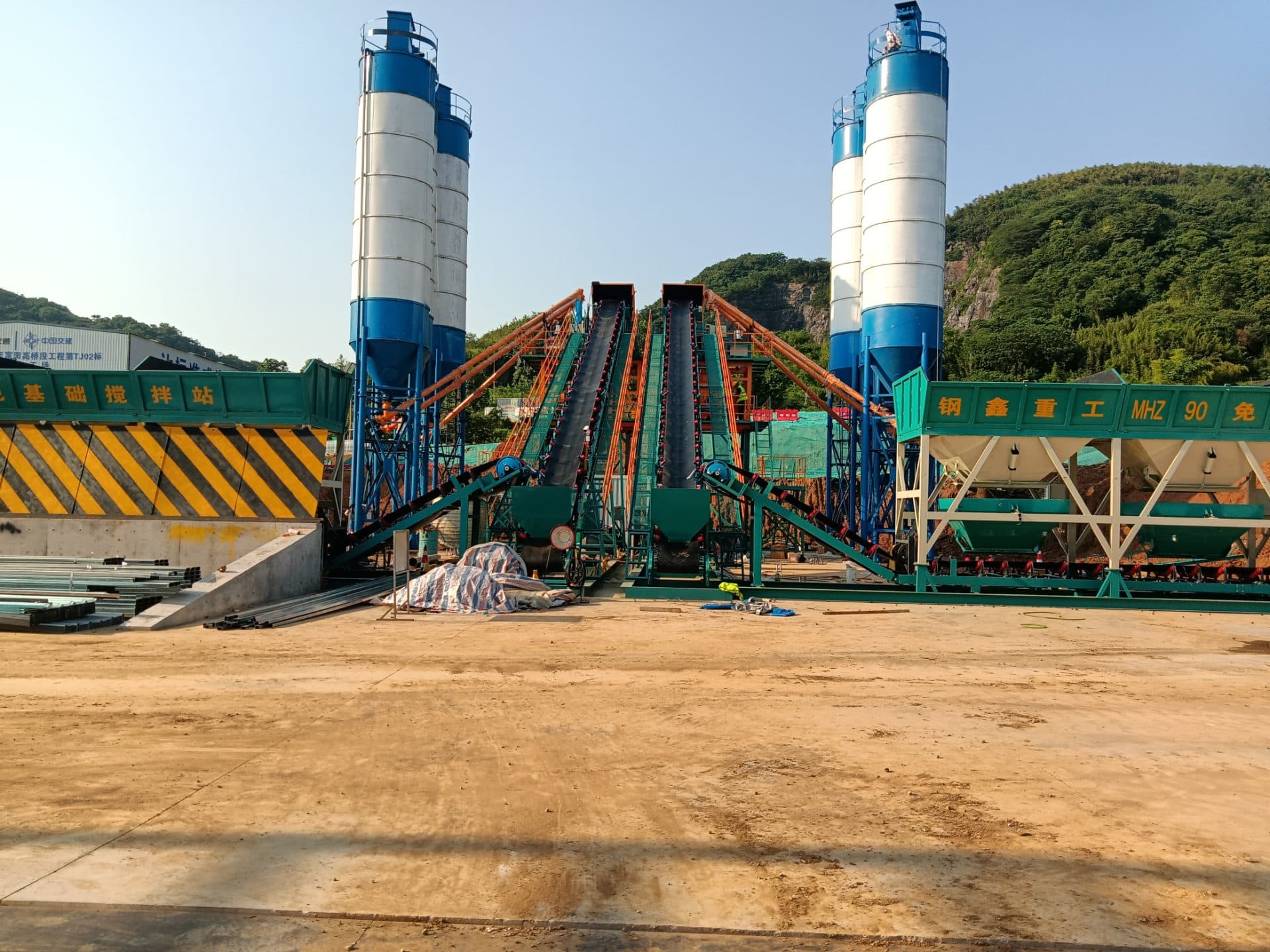
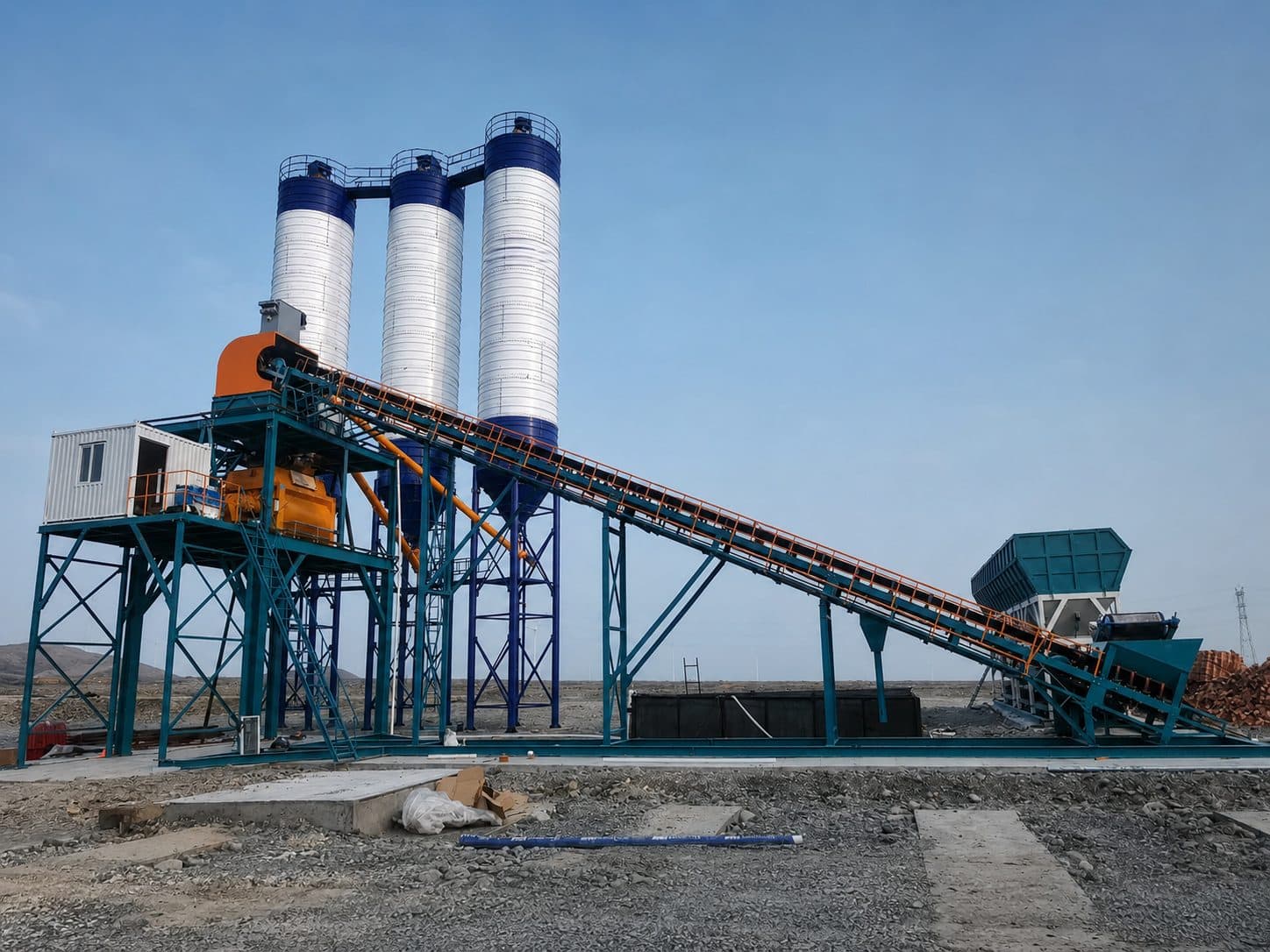
Inspect belt tension, scraper condition, rollers and chutes. Ice buildup can cause belt tracking problems and spillage. Confirm that gearbox oils, bearing greases and centralized-lubrication products are suitable for the minimum start-up temperature. Cold lubricant increases starting torque and may delay normal operation.
Do not repeatedly restart a stalled conveyor or screw. Identify and remove the frozen or compacted material after applying the approved isolation procedure.
9. Electrical cabinets and sensors
Condensation inside electrical cabinets can cause insulation faults and unreliable signals. Maintain cabinet heaters and ventilation appropriate to the enclosure, inspect door seals and keep cable entries closed. Outdoor load cells, proximity switches and moisture probes require protected connectors and sound cable insulation.
Low voltage during simultaneous heater, conveyor and mixer operation can trip motors or contactors. Confirm transformer or generator capacity for the winter connected load, including boilers, pumps and trace heating.
10. Enclosures and heat distribution
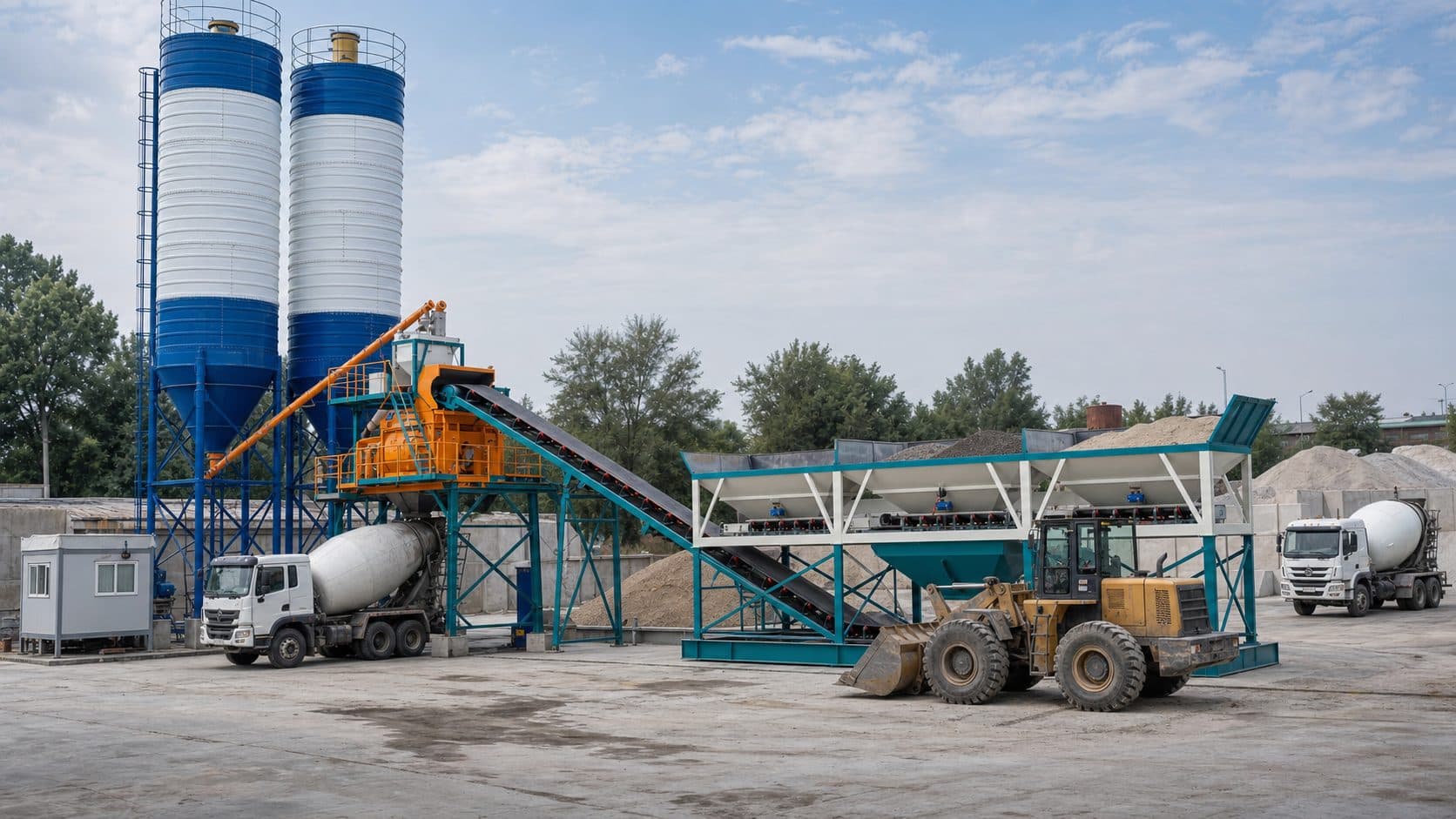
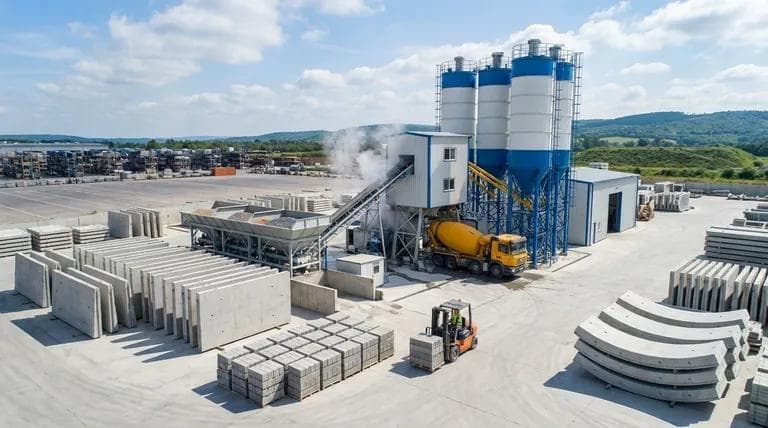
An enclosed plant reduces wind-driven heat loss and protects operators, but it must include safe ventilation, lighting, fire protection and maintenance access. Heating should be distributed to critical systems rather than concentrated in one area. Avoid unvented combustion heaters in enclosed spaces.
Doors used by loaders and trucks should not remain open longer than necessary. Flexible curtains or staged doors can reduce heat loss where site traffic permits.
11. Cold-start procedure
Inspect the site for ice, snow and blocked access routes.
Check boiler, circulation pumps and water temperature.
Drain condensate and confirm pneumatic pressure.
Verify that bin outlets, belts, screws and gates move freely.
Warm gearboxes and lubricated mechanisms according to the manufacturer's instructions.
Run each system without load and check sensors and interlocks.
Confirm aggregate and water temperatures and moisture values.
Produce a controlled trial batch and verify concrete temperature and workability.
12. End-of-shift procedure
Complete mixer and loading-zone cleaning.
Drain non-heated water lines, hoses and low points.
Remove wet material from locations where it may freeze.
Refill aggregate and powder stocks according to the next shift plan.
Record faults, abnormal cycle times and heater performance.
Leave circulation and cabinet heating active only where the approved winter plan requires it.
Winter maintenance checklist
System | Key check | Typical risk |
|---|---|---|
Aggregate bins | Free-flowing material and protected outlets | Bridging or frozen lumps |
Water circuit | Temperature, circulation and drain points | Frozen pipes or inaccurate dosing |
Admixtures | Storage temperature and viscosity | Slow or unstable dosing |
Pneumatics | Dry air, drains and pressure | Frozen valves and cylinders |
Mixer and gates | Clean surfaces, seals and limit switches | Frozen residue and incomplete closing |
Electrical system | Cabinet heating, seals and voltage | Condensation and nuisance trips |
Frequently asked questions
Is enclosing the plant enough for winter?
No. Water, admixture, pneumatic and material-flow systems still need engineered heating, insulation, drainage and operating procedures.
Can steam be injected directly into aggregate bins?
Only through a properly designed system. Uncontrolled steam adds moisture, creates condensate and can produce frozen buildup elsewhere.
Should nominal capacity be reduced in winter planning?
Often yes. Heating, material conditioning and additional inspections may extend the cycle. The production plan should use realistic winter cycle data.
What must be checked before the first winter batch?
Material and water temperatures, aggregate moisture, free movement of gates and conveyors, pneumatic pressure, scale readings, interlocks and the trial-batch concrete temperature.
Conclusion
Reliable winter operation depends on coordinated material storage, controlled heating, dry compressed air, suitable lubricants, protected electrical equipment and disciplined start-up and shutdown procedures. Provide the minimum site temperature, required output, shift pattern, concrete temperature target and available utilities so the winter package can be engineered correctly.